Standing in the kitchen with a bag of loose leaves? Here is how to brew loose leaf tea: match water temperature and steep time to the tea type, then adjust the leaf amount to taste.
Starting points from Artful Tea’s preparation chart for the most common loose leaves:
- Black tea: full boil, 212°F, steeped 3-5 minutes.
- Green tea: steaming briskly, 175-180°F, steeped 1-2 minutes.
- Oolong: almost boiling, 195°F, steeped 2-3 minutes.
Herbal tea and pu-erh also call for a full boil on that chart. The right leaf amount depends on which producer’s guidance you follow, so the sections below set out each choice and who it suits.
Choose your route through loose-leaf tea
Most readers arrive with one of four situations, and each needs a different part of this page.
- You are new to loose leaf. Read the basics and the tea types, then follow the step-by-step brew.
- You know your tea and want numbers. Go straight to water temperature, then the steep-time table.
- You have no thermometer or infuser. The waiting-time method and the filter method in the equipment section cover both gaps.
- You want a particular drink. The closing section points to guides for iced tea, matcha, milk tea, kombucha and herbal infusions.
Whichever route you take, three controls decide the cup: water temperature, steep time and leaf amount. The tea type sets the first two, and your own taste is the best guide for the third.
Loose-leaf basics
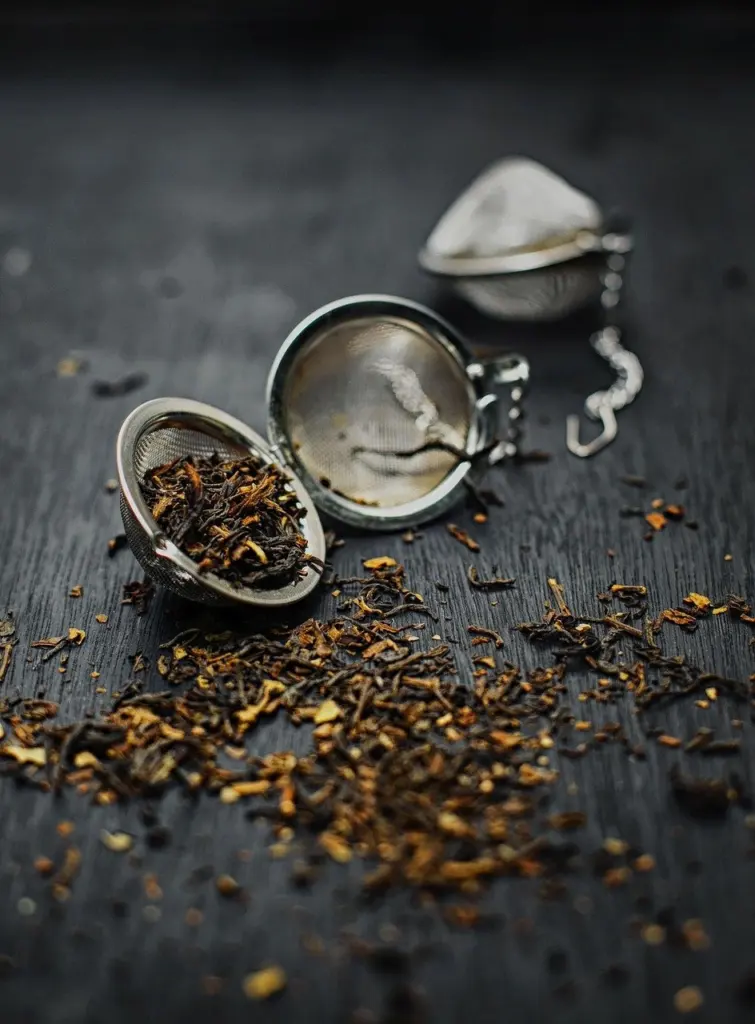
Loose-leaf tea is tea that does not come prepackaged in tea bags, as Full Leaf Tea Company’s beginner guide defines it. That simple difference changes what happens at the kettle. Nothing is pre-measured, so you choose the amount of leaf, the water temperature, the steep time and the vessel the leaves sit in.
Because nothing is fixed in advance, a repeatable routine works better than guesswork. Identify the tea type, look up its water temperature and steep time, measure the leaf, and change only one variable on the next cup so you know which change made the difference. If you want the steeping step on its own, How To Steep Loose-Leaf Tea Like A Pro: Simple Steps For Better Flavor Every Time (2026) – Greatnorthernbrewing walks through it in detail.
One habit applies to every type. Artful Tea recommends pouring hot water over the leaves rather than spooning the leaves into hot water, so that the pour saturates them. It costs nothing and works with any pot, mug or infuser.
The main tea types and how they differ
The difference between tea types is easiest to see through oxidation. Black, oolong and green sit on a spectrum: Full Leaf Tea Company describes oolong as oxidized more than green tea but less than black tea. That position helps predict how each one behaves in the cup, and why the brewing settings differ.
Black tea
Black tea is highly oxidized, with a strong flavor and plenty of caffeine according to the same beginner guide. It takes the hottest water of the main tea types: about 212°F (100°C), per Twinings’ loose-tea guidance, which also gives 3-5 minutes for English Breakfast and Earl Grey loose tea. Black tea suits anyone who wants a robust cup and a forgiving routine, since the kettle can go straight from the boil to the leaves. For a closer look at caffeine, How Much Caffeine Is In Black Tea? Exact Ranges, Serving Sizes, And What To Expect In 2026 – Greatnorthernbrewing gives serving-size context.
Green tea
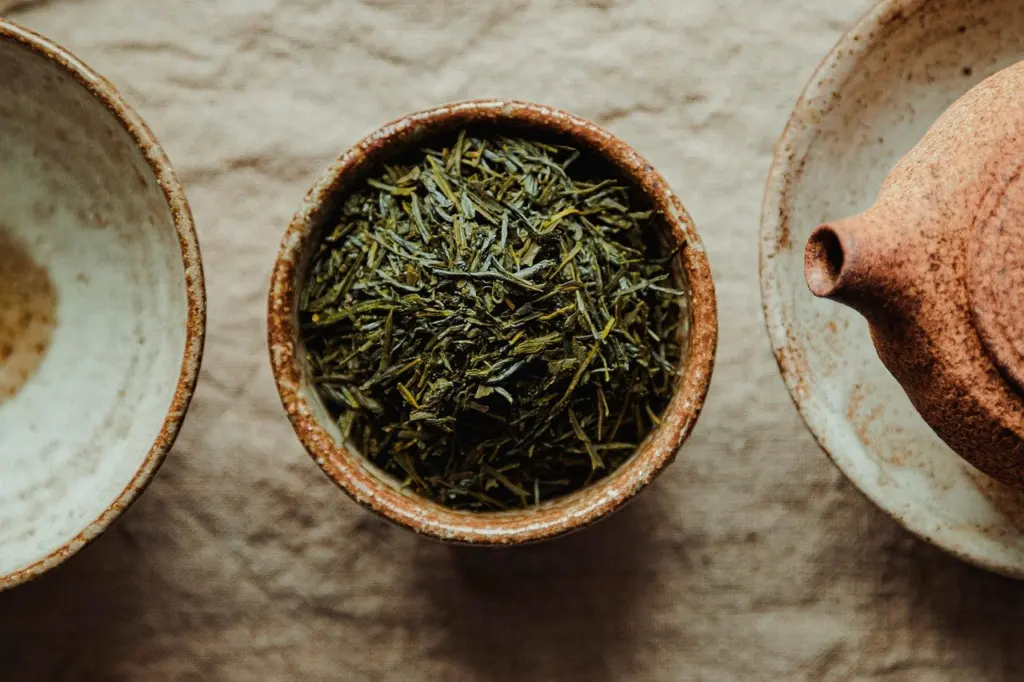
Unlike black tea, green tea is minimally oxidized, which gives a lighter, more vegetal taste in Full Leaf Tea Company’s description. It needs cooler water, around 175-180°F (79-82°C), and a short steep of 1-2 minutes on the Artful Tea chart. Green tea suits drinkers who prefer a lighter cup and are willing to let the kettle rest or use a temperature setting. Drinking Green Tea: A Practical Guide To Benefits, Brewing, Dosage, And Safety (2026) – Greatnorthernbrewing goes further on everyday use, and Matcha Vs Green Tea: Which One Should You Drink in 2026—Taste, Benefits, and How to Choose – Greatnorthernbrewing helps if matcha is also on your list.
Oolong
Oolong sits between green and black on the oxidation scale, and its brewing settings sit between them too: about 195°F (90°C) in Twinings’ guidance and a 2-3 minute steep on the Artful Tea chart. Oolong suits readers who find green tea too light and black tea too strong. Three companion guides cover the questions that come up most: What Does Oolong Tea Taste Like? The Complete Flavor Guide To Find Your Perfect Cup (2026) – Greatnorthernbrewing for flavor, Does Oolong Tea Have Caffeine? What The Numbers Mean In 2026 – Greatnorthernbrewing for caffeine, and Oolong Tea Vs Green Tea: Which One Should You Drink? A Practical 2026 Guide – Greatnorthernbrewing for choosing between the two.
Herbal tea, rooibos, white tea and pu-erh
Other leaves borrow settings from the main three. Rooibos shares black tea’s temperature of about 212°F (100°C), and white tea shares oolong’s 195°F (90°C), both from Twinings. The Artful Tea chart lists pu-erh at a full boil for 5 minutes and herbal tea at a full boil for 5-10 minutes, both with a heaping rather than level teaspoon per 6 oz.
The bigger measure for herbal blends follows from the leaf itself. Twinings notes that fluffier teas, such as chamomile flowers, can be used in greater quantities than something dense like black tea. Chamomile fans can read Chamomile Tea Unwind: The Practical Guide To Brewing, Benefits, And Safety In 2026 – Greatnorthernbrewing.
Water temperature for each tea
Water temperature is one of the most important elements of a properly prepared cup of loose-leaf tea, according to Artful Tea. The practical answer to what temperature water should be for each tea is that it depends on the family: hottest for black and rooibos, cooler for green, and in between for oolong and white. Destination Tea makes the same point from a home brewer’s side: not every tea is steeped in boiling, 212-degree water, so a single kettle setting for the whole shelf will not suit everything.
With a thermometer or variable kettle
Aim for the figures in Twinings’ guidance:
- Black tea and rooibos: about 212°F (100°C).
- Green and herbal tea: around 175-180°F (79-82°C).
- Oolong and white tea: about 195°F (90°C).
If you drink several types every week, a kettle that holds set temperatures saves effort and removes the guesswork. The trade-offs between temperature-control and stovetop models are compared in best kettle for tea. If you drink mostly black tea, a plain kettle already does the job.
With only a boiling kettle
Twinings gives a waiting-time method for kitchens without a thermometer. Brew black tea and rooibos immediately after the water boils. For green and herbal tea, wait 3 minutes after boiling, and for oolong wait 5-7 minutes before brewing. This swaps precision for simplicity, so treat the wait as a starting point and adjust by a minute either way if the cup tastes off. It is a good fit for a household that keeps one kettle and a handful of tea types.
Steep times and the full chart
Steep time depends on the tea type: black tea takes 3-5 minutes, oolong 2-3 minutes, green tea 1-2 minutes, pu-erh 5 minutes and herbal tea 5-10 minutes. The table puts those times next to the matching temperature and leaf amount, so you can brew from one reference.
| Tea type | Water temperature | Steep time | Leaf per 6 oz | Planning use |
|---|---|---|---|---|
| Black | 212°F (100°C), full boil | 3-5 minutes | 1 level tsp | Pour straight off the boil; the easiest type to schedule. |
| Green | 175-180°F (79-82°C), steaming briskly | 1-2 minutes | 1 level tsp | Shortest steep in the chart, so start the timer as the water goes on. |
| Oolong | 195°F (90°C), almost boiling | 2-3 minutes | 1 level tsp | Without a thermometer, wait 5-7 minutes after the boil. |
| Herbal | 212°F, full boil | 5-10 minutes | 1 heaping tsp | Longest window; check the pack, since a lower 175-180°F is also given for herbal. |
| Pu-erh | 212°F, full boil | 5 minutes | 1 heaping tsp | A single time rather than a range, easy to set on a timer. |
Temperatures, times and leaf amounts follow Artful Tea’s preparation chart, with Celsius equivalents and waiting times from Twinings’ loose-tea guide.
A range is an invitation to adjust, not a rule. Begin with the shorter end, taste, and extend the next cup if you want more body. Twinings’ own black-tea figure of 3-5 minutes for English Breakfast and Earl Grey matches the Artful Tea chart’s black-tea range. For a full guide to timing, see How Long To Steep Tea: The Simple 2026 Guide To A Perfect Brew Every Time – Greatnorthernbrewing.
How much leaf to use
Producers do not agree on a single dose, so treat any figure as a starting point rather than a target. The spread across guidance gives a useful picture:
- Beginner rule of thumb: Twinings suggests about one teaspoon of tea for every eight ounces of water.
- Type-specific chart: Artful Tea uses 1 level teaspoon per 6 oz for black, green and oolong, and 1 heaping teaspoon per 6 oz for herbal and pu-erh.
- A stronger range: Full Leaf Tea Company gives 1-2 teaspoons for every 8 ounces of tea.
Follow the figure from the producer of the tea you are actually brewing when one is on the pack, and otherwise start at the lower end of the range. If the cup is thin, raise the amount before you lengthen the steep, because longer steeping changes the time guidance you are working from. Bulky, fluffy leaves such as chamomile flowers take a bigger measure than dense black tea, as Twinings notes, so a level teaspoon will not weigh the same across types. A dedicated guide to dosing is in how much loose leaf tea per cup.
Infusers and brewing without one
Choose an infuser that gives the leaves room, because leaves expand as they steep. Artful Tea warns that most tea balls are too small for the amount of tea you need, and Twinings says tea balls can work if they are large while many of the smallest versions are not recommended.
Using a tea infuser
An infuser has one clear advantage: Destination Tea points out that you can simply pull it out of the brewed tea, so there is no separate strainer to handle. The cost is space, since a tight infuser limits how freely the leaves open. Full Leaf Tea Company describes a cup method in which you place 1 tablespoon of loose leaf tea in the infuser for each 8 oz of water, with the infuser sitting inside the cup. Pick one starting dose and stay with it for a few brews so you can judge the result.
Brewing without an infuser
A paper filter is enough if you have no infuser. Senbird Tea describes placing a coffee filter or paper towel over a mug, putting the leaves on it, and slowly pouring hot water in circular motions over the leaves while the tea steeps. This works best for a single mug, and it fits the same pour-over-the-leaves habit described in the basics.
A step-by-step brew
These steps work for any loose-leaf tea. Only the numbers change from type to type.
- Heat the water for your tea type. Use a full boil for black tea, rooibos, pu-erh and, on Artful Tea’s chart, herbal tea; use the cooler figures for green and oolong in the table above, or wait after the boil as Twinings describes.
- Measure the leaf. Start from the producer’s figure for the tea in your hand, or from the beginner rule of about one teaspoon per eight ounces.
- Give the leaves room. Use a roomy infuser, a pot or a filter over a mug, not a small tea ball.
- Pour the hot water over the leaves. This saturates them, as Artful Tea recommends, rather than spooning leaves into water.
- Set a timer for the type. Use 1-2 minutes for green, 2-3 for oolong, 3-5 for black, and 5-10 for herbal, from the same chart.
- Remove the leaves. Lift out the infuser or strain the pot at the end of the steep, so the tea stops brewing in the cup.
- Taste and change one thing. Next time, alter the leaf amount, the time or the temperature, but only one of them.
Where to go next
Once the basic method is comfortable, the useful next step depends on what you want in the cup.
Iced and milky drinks
Cold tea has its own technique; start with how to make iced tea. For richer, sweeter cups, The Perfect Milk Tea Recipe: How To Make Creamy, Bubble-Tea‑Style Milk Tea At Home (2026) – Greatnorthernbrewing covers the bubble-tea style, and How To Make Authentic Thai Tea At Home: Easy Recipe, Variations, And Tips (2026) – Greatnorthernbrewing covers the Thai version.
Matcha
Matcha is prepared differently from steeped leaf, so it has its own set of guides. How To Make Matcha At Home: Simple Steps, Tips, And Variations (2026 Guide) – Greatnorthernbrewing is the place to begin, and What Is Matcha Made Of? Inside The Leaf, Process, And Flavor (2026 Guide) – Greatnorthernbrewing explains the leaf behind it. If you do not own a bamboo whisk, No-Whisk Matcha: 7 Easy Ways To Make Smooth, Frothy Matcha Without A Bamboo Whisk (2026 Guide) – Greatnorthernbrewing offers alternatives. For a chilled version, there is How To Make The Perfect Iced Matcha Latte: Quick, Creamy, And Refreshing (2026) – Greatnorthernbrewing. To weigh the drink against other options, see Matcha Latte Benefits: How This Ceremonial Green Tea Boosts Energy, Focus, and Long-Term Health – Greatnorthernbrewing and Matcha Vs Coffee: Which Fuel Is Right For Your Energy, Focus, And Health In 2026? – Greatnorthernbrewing.
Herbal and fermented teas
For a caffeine-free flower infusion, try How To Make Refreshing Hibiscus Tea At Home (Simple Hot Or Iced Recipe) – Greatnorthernbrewing. For a longer project that starts with brewed tea, How To Make Perfect Kombucha At Home: A Simple Step-By-Step Recipe For Beginners (2026) – Greatnorthernbrewing is a step-by-step recipe.
Frequently asked questions
| Question | Answer |
|---|---|
| Can I reuse loose-leaf tea leaves? | Yes. Full Leaf Tea Company says loose-leaf tea can be re-steeped up to 3 times, which is one reason loose leaf suits repeated cups from the same measure. |
| Why does my tea taste weak or bland? | Water that is too cool is one cause, since Artful Tea notes it can make tea seem weak and bland. Check the water against your tea type first, then consider adding more leaf, especially with fluffy leaves. |
| Do herbal teas use the same water temperature as black tea? | Guidance differs. Artful Tea’s chart uses a full boil of 212°F for herbal tea, while Twinings groups herbal with green tea at around 175-180°F. Follow the instructions on the packet of the blend you bought. |
| Should I add extra leaf when brewing a whole pot? | One home-brewer’s guide at Destination Tea suggests one teaspoon per 8 oz cup, plus one teaspoon for the pot. Other producers give per-cup ratios only, so treat the extra teaspoon as an option to try and taste. |