Start with the time of day: afternoon tea traditions suit a slow late-afternoon pause shared with guests, while a coffee ritual suits a short, repeatable anchor at your own counter. Choose the drink and hour first, then build the setup.
This guide moves from that first choice into the history behind the ritual, then a home setup for tea and coffee, regional customs and cafe culture. It points to a deeper guide at each stage.
Choosing a ritual to start with
Three criteria decide where to begin: the hour you can protect, the people at the table and how much preparation you will accept each time. Classic afternoon tea sits in a defined window. A guide to afternoon tea versus high tea gives usual serving as 3:30 PM to 5:00 PM, with some venues running from 2:00 PM to 5:30 PM. If work or school pickups fix your weekday afternoons, that window suits a weekend ritual better than a daily one. A coffee ritual has no such window, so it is the easier habit to repeat every day.
The choices below sort the common starting points. Each one points to the part of this guide, or the dedicated guide, that fits.
- You can protect a late-afternoon hour. Begin with the history and home-service sections below, then adapt the menu to the people you invite.
- You want a ritual with defined steps. Read about the japanese tea ceremony for a tea-led sequence, or the ethiopian coffee ceremony for a coffee-led one. Both show how a drink becomes a sequence rather than a snack.
- You want a regular shared break. The guide to what is fika suits a habit built around company.
- You cannot choose between the two drinks. The comparison of coffee vs tea matches each drink to a daily routine.
- You like regional tea drinks with a story. Try hong kong milk tea, which is tied to cha chaan teng culture, or tibetan butter tea, which comes with its own traditions and method.
- You would rather sit in someone else’s room. Go to the cafe and city guides near the end of this page.
If you try only one thing this week, pick the option with the smallest setup you will really repeat. A ritual that needs a tiered stand and formal dress will happen rarely. One that needs a kettle and a favourite cup will survive a busy month.
Afternoon tea traditions and where they began
Afternoon tea was a social invention before it was a menu. Its history explains why the ritual works: it fills a real gap in the day, it has a recognisable order of service, and it has always been adapted to the household that practises it. Knowing that makes it easier to borrow the parts you like and drop the rest.
The Duchess of Bedford and the evening-meal gap
Food historians generally credit Anna, Duchess of Bedford, with popularizing afternoon tea in the 1830s, according to the Food Timeline. The setting was a change in how days were structured. The Industrial Revolution flipped the main meal of the day from around midday to the evening, which left a long stretch between breakfast and dinner. A history of afternoon tea from Matfen Hall adds that in the 1840s it was tradition for evening meals to be served at 8pm, with tea taken around 4pm.
Accounts differ on the duchess’s own request for tea with bread, butter and cake in her private chambers. One English afternoon tea history reports 1840 and notes that another source cites an 1841 letter. Treat the exact year as approximate. The lesson for a modern household is the gap itself. A tea or coffee break lasts when it sits in a stretch of the day that already feels empty or tired, not when it is squeezed between commitments.
Earlier roots at court and in the tea trade
English tea drinking started well before the afternoon habit. In 1662 the Portuguese princess Catherine of Braganza included a tea chest in her dowry, as a tea-history article records. Another account says Catherine popularized tea drinking among the aristocracy, often serving it while entertaining ladies at court. Supply followed demand: in the 1830s, British colonial expansion led to the establishment of tea plantations in Assam, India.
For a home host, the useful point is that tea began as hospitality. It was served to guests, in company, as a way of entertaining. That is still the clearest test of whether a ritual belongs under afternoon tea: someone else is at the table, or could be.
From dressed-up drawing rooms to tea dances
Later in the century, afternoon tea had become a dressed social event in homes. Matfen Hall’s history notes that society women purposefully changed outfits to attend, wearing long gowns, hats and gloves. Earlier, Mrs. Beeton’s 1879 guidance, quoted by the Food Timeline, described a pretty little afternoon tea service placed on a small table, with plates of rolled bread-and-butter, biscuits and cake. The food was modest and the presentation did the work.
In the 1920s, hotels and restaurants on both sides of the Atlantic began to have music played while they served afternoon tea. That is the origin of a habit many people still like: soft background sound in the room. You can take the same cue at home without the gowns.
Afternoon tea, low tea and high tea
The names cause confusion because they describe different meals as well as different furniture. Afternoon tea is the leisured, snack-sized version described above. High tea was a later working-class meal. The Food Timeline records that high tea was served on the dinner table, and that for working households it was a welcome sight around 5:30 or 6pm at the end of a 10-hour shift. Low tea, by contrast, was taken in the withdrawing room.
That difference is worth using when you plan a gathering. Call it afternoon tea if you are serving sandwiches, cake and a pot of tea to guests who are sitting comfortably. Call it high tea if you want something closer to supper at a proper table. The overview table in the regional section compares the two side by side.
Serving afternoon tea at home
A home afternoon tea needs a simple order of service, not a venue. The same English afternoon tea history sums up the home ritual as brewing a pot of strong black tea, preparing a few finger sandwiches and adding a slice of cake or biscuits. This is the clearest answer to what makes a good cafe-style ritual at home: a fixed sequence, a small menu and a place to sit.
The tea and the food
British afternoon tea is traditionally centred on black tea, so a black tea you enjoy is the correct default. A pot suits sharing better than single cups, because guests can serve themselves while you stay at the table. Keep the food small and easy to eat by hand. Finger sandwiches plus one sweet item is enough for a gathering, and it is closer to the Victorian pattern than a large spread.
If you want the classic presentation, a three-tier stand arranges the courses vertically. Whether you use a stand or a plain tray makes little difference to the ritual. What matters is that guests can see what is offered and reach it without a fuss.
Order of service
Serve the tea after the food is laid on the table. This sequence comes from the afternoon tea and high tea guide, and it has a practical benefit: the pot is hot when guests sit down, and nobody is waiting on a missing plate. Plan the food first, brew last and pour at the table.
Setting the atmosphere
The same guide suggests that fresh flowers, linen and soft background music can help create a welcoming atmosphere. Treat these as optional additions rather than requirements. A single small bunch of flowers and a quiet playlist achieve most of the effect for the least effort. If the room is tidy and the table is cleared, the ritual already feels deliberate.
A home coffee station
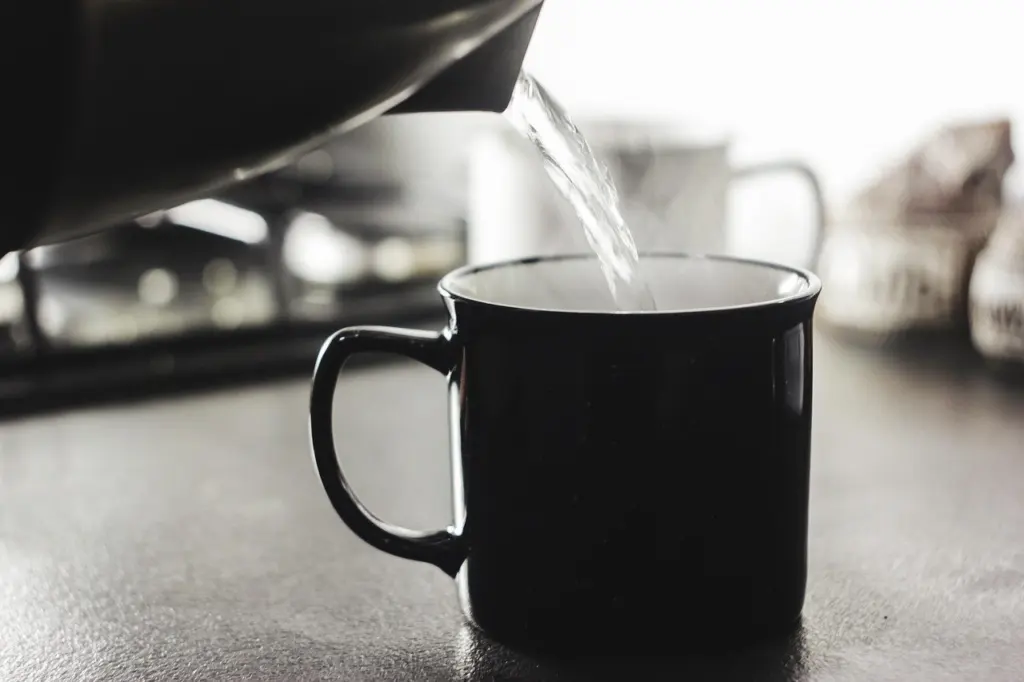
A home coffee station is the everyday counterpart to afternoon tea: a fixed spot where the same actions happen in the same order. The brewing method is your choice. What turns a routine into a ritual is a permanent place, a visible sequence and a cup you like to hold. The kettle comes first, because heating water is the step that signals the break has begun.
Equipment list
Start with what you already own and add only what you will use every week. The list below works for coffee, tea or both.
- Kettle. Keep it on the counter where the station lives, so the first step is always the same and always visible.
- Cups you like. The afternoon tea guide says to serve in your favourite china or simple cups, and that a tiered stand adds elegance but is not necessary. The same logic applies to mugs at a coffee station.
- The brewer you already use. Do not buy a second method to begin. A ritual comes from repeating one method, not from owning several.
- A tray or small table. Mrs. Beeton’s 1879 service was laid on a small table, per the Food Timeline. A tray gives you the same self-contained setting on a counter or coffee table.
- Daily supplies within reach. Keep the tea or coffee you drink most in one place beside the kettle, so nothing interrupts the sequence.
- One comfort item. Fresh flowers, linen or soft background music, the touches suggested for a welcoming tea setting, work equally well beside a coffee tray.
Turning the station into a ritual
Choose a fixed time and a fixed order. Coffee has no traditional window, so pick your own: a morning slot before screens, or an afternoon slot that replaces scrolling. Pour, sit and finish the cup before you start anything else. When guests come, use the afternoon-tea order of service in the section above and serve the food before the drink. The station then doubles as a small tea room without any extra equipment.
If you cannot settle on coffee or tea for the station, the guide on coffee vs tea helps you decide which belongs in the daily slot and which in the occasional one.
Regional customs: how countries drink coffee and tea
Countries drink coffee and tea differently because history assigned each drink a role. England and America show how quickly those roles can swap. A tea-history article describes England as coffee-dominant before tea took over, while America boycotted tea for coffee, so England then became the world’s largest tea consumer.
The Food Timeline supports the American side of that story. Classic English tea was not popular in the USA until the last quarter of the 19th century, and Americans embraced coffee as a way to forge a national beverage identity separate from England. American coffee culture, in other words, began partly as a statement about who drinkers were not. That helps explain why a casual coffee break feels native in the USA while a formal pot of tea still reads as an English import.
Afternoon tea compared with high tea
For hosts, the clearest regional distinction is the English pair of afternoon tea and high tea. The table compares them, with the Victorian home service as a third reference point.
| Custom | Timing | Setting and food | Planning use |
|---|---|---|---|
| Afternoon tea | Usually 3:30 PM to 5:00 PM; some venues 2:00 PM to 5:30 PM | Low coffee tables and chaises; finger sandwiches, cake or biscuits | Choose it for a relaxed weekend gathering with a light menu |
| High tea | 5pm to 7pm | Standard dining table; meat or fish, bread and tea | Choose it when the gathering is meant to replace supper |
| Victorian home tea (1879 guidance) | Afternoon | Small table with rolled bread-and-butter, biscuits and cake | Use it as a model for a minimal tray with a pot of tea |
Timing, furniture and menu details come from the afternoon tea versus high tea guide, and the 1879 service comes from the Food Timeline.
Customs beyond England and America
Other places have developed rituals that are not variations on English tea. Each has its own guide on this site. The japanese tea ceremony and the ethiopian coffee ceremony show drinking as a structured, step-by-step event. hong kong milk tea and tibetan butter tea show how a local ingredient and a local setting shape the cup. For a workplace or family break, what is fika is the place to start.
Compare these against your own routine before copying anything. A ceremony asks for time and attention, a regional drink asks for particular ingredients, and a shared break asks mainly for other people. Pick the one whose demand you can meet most weeks.
Cafe culture and city guides
Cafes sell a setting as much as a drink, and that is the lesson to carry home. Tea shops became part of English life as tea became cheaper: an English afternoon tea history says reductions in tea taxes in the early 20th century made tea affordable for the wider population. A cafe ritual, then and now, means a place where a regular cup can be taken in public.
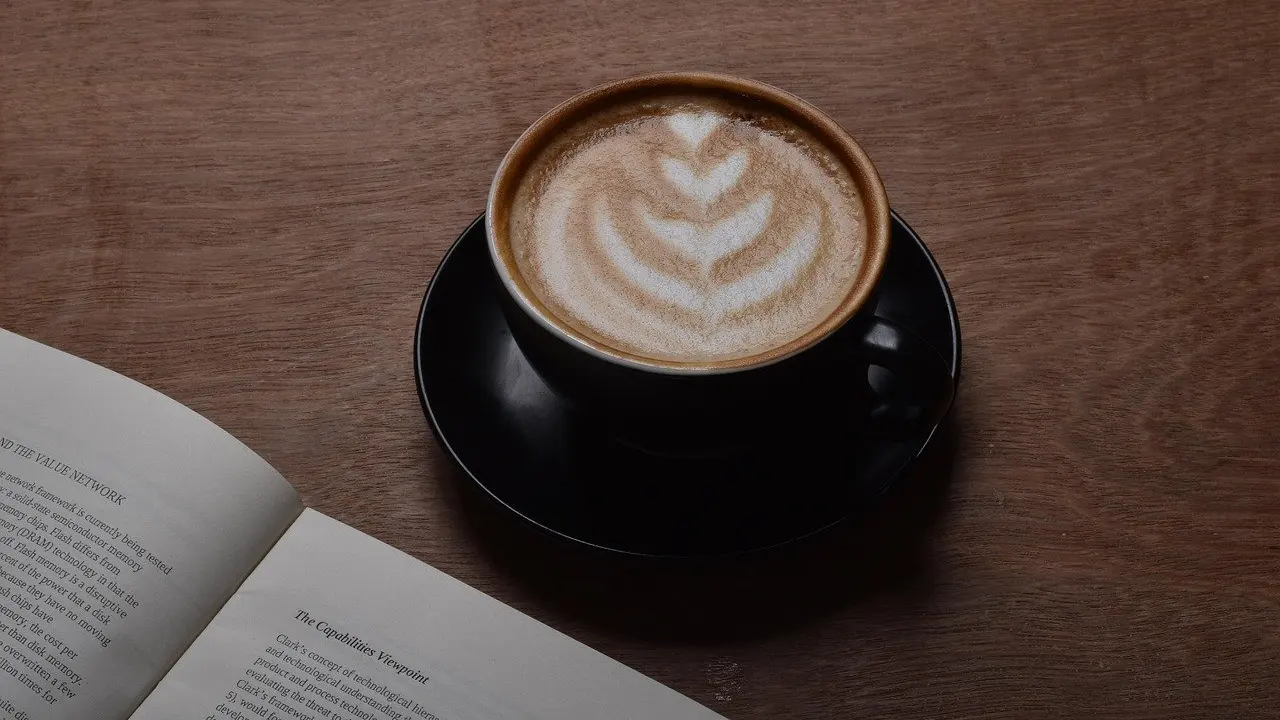
You can reproduce the useful parts at home. Sit down rather than standing at the counter. Use a proper cup. Finish the drink before opening a laptop. Add a book, a window seat or a friend if you can. The cafe is still worth visiting when you want company, a change of scene or a style of coffee your kitchen cannot match.
City guides to start your cafe visits
The guides below are grouped by region so you can find the one nearest to where you live or travel.
- West Coast. Compare Best Coffee In Los Angeles: 12 Neighborhood Roasters, Cafés, And What To Order (2026 Guide) – Greatnorthernbrewing, Best Cafes In San Francisco: 2026 Guide To The City’s Top Coffee Spots And Neighborhood Favorites – Greatnorthernbrewing, Seattle Coffee Guide 2026: 12 Essential Shops for Espresso, Ambience, and Local Flavor – Greatnorthernbrewing and Portland’s Best Coffee Shops In 2026: Where Locals Go For The Perfect Cup – Greatnorthernbrewing.
- Mountain West and Texas. Try Best Coffee in Denver 2026: A Local’s Guide To Top Roasters, Cafés, And Hidden Gems – Greatnorthernbrewing, The Best Coffee Shops In Austin In 2026: 10 Local Favorites For Coffee, Vibes, And Workflows – Greatnorthernbrewing and Where Locals Go For The Best Coffee In Houston: 12 Cafes Worth Trying In 2026 – Greatnorthernbrewing.
- Midwest. Read Best Coffee Shops In Chicago: A Local’s Guide To The Top Cafés In 2026 – Greatnorthernbrewing or Best Coffee Shops In Minneapolis 2026: Where Locals Go For Great Brews And Vibes – Greatnorthernbrewing.
- East Coast and the Mid-Atlantic. See The 2026 Guide To Boston’s Best Coffee Shops: 9 Must-Visit Cafés For Every Mood – Greatnorthernbrewing, Best Coffee In Philadelphia: 7 Must-Try Cafes And Beans For 2026 – Greatnorthernbrewing and The Best Coffee Shops In Pittsburgh: Your 2026 Local Guide To Drinking, Working, And Hanging Out – Greatnorthernbrewing.
- The South and Florida. Choose Best Coffee Shops In Tampa: Where Locals Go In 2026 (Neighborhood Picks & What To Order) – Greatnorthernbrewing, Best Coffee In Miami: 12 Must-Try Cafés, Roasters, And Neighborhood Picks (2026 Guide) – Greatnorthernbrewing or Best Coffee In Asheville: The Local Guide To The Top Cups In 2026 – Greatnorthernbrewing.
- A different kind of cafe. If you want a setting with a strong theme, the guide Tokyo’s Themed Cafes: The Ultimate 2026 Guide To Anime, Animal, And Retro Experiences – Greatnorthernbrewing covers a very different cafe culture.
Use these guides to decide what a cafe gives you that a home station cannot. Then keep the home ritual for the days when the cafe is not an option.
Frequently asked questions
Should milk go in the cup before the tea?
Either order is accepted today. Adding milk first was the traditional way and was sometimes done to protect delicate china, according to the afternoon tea guide. Pour in whatever order you prefer.
Which tea suits a traditional afternoon tea?
Black tea. British afternoon tea is traditionally centred on it, and an English afternoon tea history names Assam, Darjeeling and Ceylon as common choices.
Did afternoon tea ever go out of fashion?
Yes. According to Matfen Hall’s history, both afternoon tea and tea dances fell out of fashion once the Second World War began. The same account describes hotels and restaurants adding music in the 1920s before that decline.
What goes on the bottom tier of a three-tier stand?
Finger sandwiches. The afternoon tea guide lists cucumber, smoked salmon and egg mayonnaise.