| Question | Oolong tea | Green tea | Planning use |
|---|---|---|---|
| Oxidation | Partially oxidized, a middle ground between black and green tea | Minimally oxidized | Choose oolong for a layered cup and green tea for a fresher, simpler one. |
| Flavor | Light and floral to dark and roasted, depending on oxidation and roasting | Generally milder and more vegetal | Buy by style and flavor, not by the category name alone. |
| Caffeine per 240 ml cup | Typically 30–75 mg | Typically 20–45 mg | The ranges overlap, so adjust the brew before switching teas. |
| Hot water for brewing | Around 85–100°C, depending on oxidation level | Gentler heat and a short steep, detailed below | Match water heat to the tea style rather than using one kettle setting for everything. |
The oxidation, flavor and caffeine figures above come from a tea-processing explainer and a tea comparison guide.
In the oolong tea vs green tea choice, the main difference is processing: green tea is minimally oxidized, while oolong is partly oxidized. That gives oolong a wider flavor range and, typically, more caffeine per cup.
For leaf amounts, water and timing across tea styles, see our guide on how to brew loose leaf tea.
Which tea suits which drinker
Taste and caffeine tolerance should drive this decision more than any single health claim, because the differences in flavor are obvious in the first sip and the differences in health effects are hard to separate. These are the practical choices that follow from the processing.
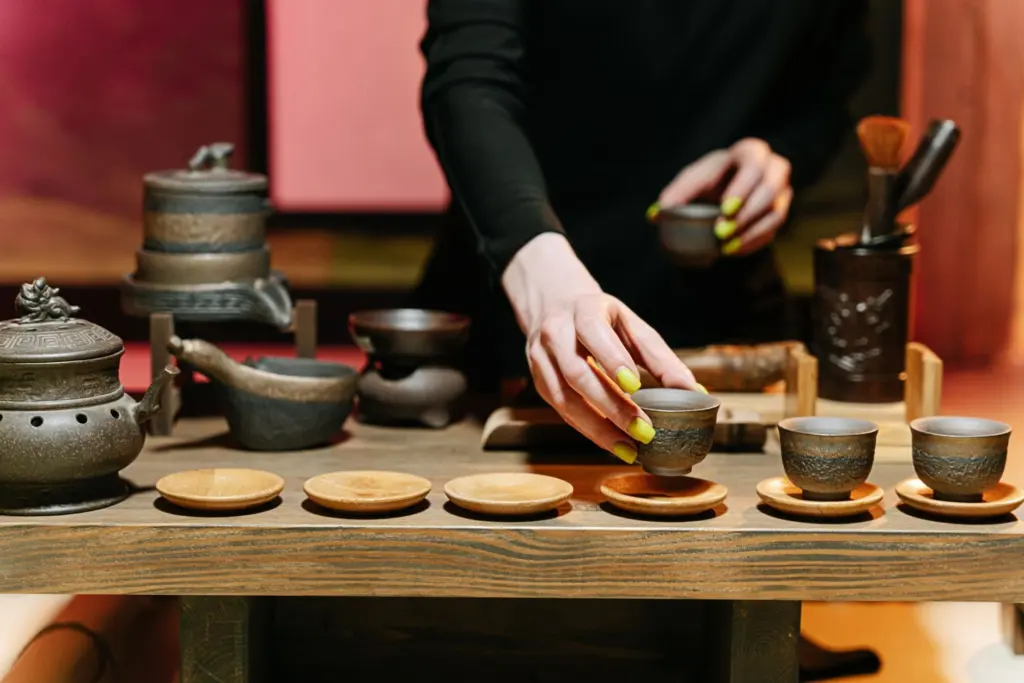
- Choose green tea for a mild, leafy cup. Green tea has a leafy or vegetal flavor and is generally milder than oolong. It suits anyone who wants a clean, light cup and does not mind keeping the steep short.
- Choose oolong for variety. Oolong tastes floral with fruity and nutty tones, and the style can run from light and floral to dark and roasted. If you enjoy changing flavors from one pot to the next, oolong gives far more to explore.
- Judge oolong by style, not by category. Because an oolong’s flavor depends on how far it was oxidized and whether it was roasted, a light floral oolong and a dark roasted one can taste like different drinks. Try more than one before deciding you dislike oolong.
- Keep the brew flexible if caffeine matters. Tea type is only one factor, as the next section explains, so you rarely need to give up either tea entirely.
Once you know the flavor you want, caffeine is the next thing to check, and here the numbers need careful reading.
Caffeine per cup
Oolong typically contains more caffeine per cup than green tea, but the two ranges overlap. A tea comparison guide puts oolong at 30–75 mg per 240 ml cup and green tea at 20–45 mg. Those are typical ranges, not guarantees, and a strong green tea can land above a weak oolong in the 30–45 mg zone where the ranges meet.
The same guide notes that steeping time, water temperature and the amount of tea used can have a bigger effect than tea type alone. A separate oolong versus green tea guide says a quick, cooler steep pulls less caffeine regardless of tea type. In practice, that gives you three levers if you are sensitive to caffeine or drinking tea later in the day:
- Shorten the steep. Pulling the infusion early is the simplest change and costs you little flavor in a delicate tea.
- Cool the water slightly. Cooler water extracts less caffeine, and green tea already prefers gentler heat.
- Use less leaf. The amount of tea in the pot is the third lever, so a lighter measure gives a lighter cup.
Choosing oolong does not commit you to a high-caffeine cup, and choosing green tea does not guarantee a low one. Brewing habits decide where in the range you end up.
Antioxidants and catechins
Neither tea is a clear winner for antioxidants. The tea comparison guide says plainly that there is no clear winner when the two are compared on health, and that effects are generally modest. Treat claims that one tea is dramatically healthier with caution.
What does differ is the kind of compound left in the leaf. According to the oolong versus green tea guide, catechins in green tea remain largely intact because oxidation is blocked early. In oolong, partial oxidation breaks some catechins down into theaflavins and other polymerized polyphenols. So green tea keeps more of its catechins in their original form, while oolong holds a mix shaped by how far oxidation went.
The practical conclusion is to choose on taste and caffeine tolerance, then drink the tea you will actually enjoy regularly. A cup you like and finish is worth more than a theoretically superior one you leave half-drunk.
Brewing each tea
Green tea punishes mistakes faster than oolong, so it is where technique matters most. Both teas start from the same measuring habit: the oolong versus green tea guide suggests beginning with a measured amount of leaf for the volume of water. For more on scaling that to your cup or pot, see how much loose leaf tea per cup.
Green tea without bitterness
Bitterness in green tea comes mainly from over-steeping. The guide says green tea brews quickly and turns bitter if oversteeped, and recommends brewing delicate green tea at a cooler temperature for a short steep. Follow these steps:
- Let boiled water cool to the cooler range the guide describes rather than pouring it straight from the kettle.
- Measure leaf against the water volume as a starting point.
- Set a timer for 1–2 minutes and stop the steep at the end of that window.
- If the cup is still too sharp, shorten the steep or cool the water a little further on the next pot.
Oolong tea
Oolong takes hotter water than green tea. A tea comparison guide recommends water of around 85–100°C, depending on the oxidation level. That is a wide span, so check the producer’s guidance for the particular style you buy and treat the figures as a range to work within, not a single target.
How processing shapes flavor and chemistry
Both teas begin as the same kind of leaf, and the difference comes from what happens in the hours after picking. Green tea is stopped early; oolong is allowed to change before it is stopped.
For green tea, a tea-processing explainer says the leaves are heated as soon as they are harvested to halt oxidation. The oolong versus green tea guide adds that producers steam or pan-fire the leaves within hours of picking, which deactivates the enzymes responsible for oxidation. That early stop is why green tea tastes minimally oxidized and vegetal.
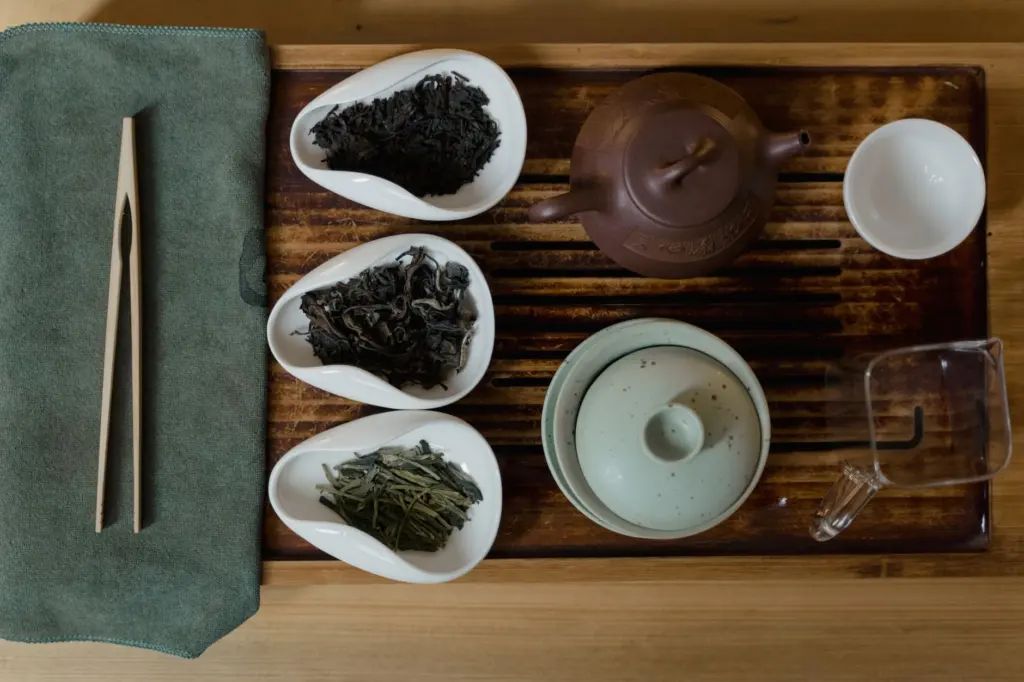
Oolong follows a different path. The same guide describes the leaves being withered, bruised and allowed to oxidize partially before firing. Where the producer stops oxidation, and whether the leaves are roasted, sets the style, which explains the range from light and floral to dark and roasted.
These steps also explain the chemistry covered earlier. Blocking oxidation early leaves green tea’s catechins largely intact, while partial oxidation converts some of an oolong’s catechins into other polyphenols. If you also drink green tea in powdered form, the guide No-Whisk Matcha: 7 Easy Ways To Make Smooth, Frothy Matcha Without A Bamboo Whisk (2026 Guide) – Greatnorthernbrewing covers preparing matcha without a bamboo whisk.
Frequently asked questions
Is oolong a type of green tea?
No. Oolong is partially oxidized and occupies a middle ground between black and green tea, according to a tea-processing explainer, while green tea is minimally oxidized.
Can oolong be steeped more than once?
Yes. A tea comparison guide says many oolongs can be re-steeped, which makes a single measure of leaf go further.
Does a darker oolong need different water?
Yes. The oolong versus green tea guide says darker oolongs suit 195–205°F with short infusions.