A good kombucha tea recipe is sweetened black tea, cooled to room temperature and fermented with a SCOBY in a warm, dark place until tart but slightly sweet. Keep the jar within the suggested 70–80°F (21–27°C) and discard any moldy batch.
Kombucha starts from an ordinary brewed tea, so if you want to sharpen that first step, read our guide on how to brew loose leaf tea. The sections below explain what happens in the jar, then give the ratios, the stages, the timing and the safety checks.
What the SCOBY does during fermentation
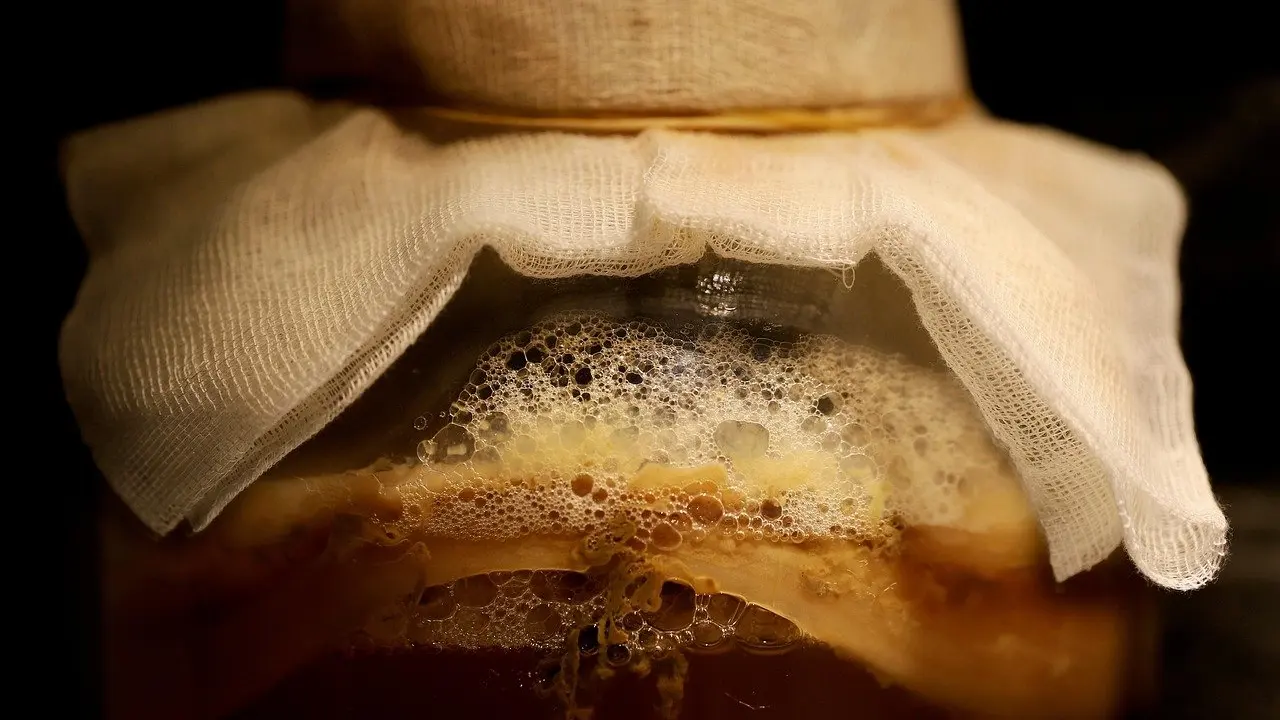
A SCOBY is, in the Homebrewers Association’s description, a symbiotic culture of bacteria and yeast. The bacteria are mostly vinegar-producing species such as Acetobacter, and the yeasts are Saccharomyces types. Together they work through the sugar in the sweet tea and turn it into the acids that give kombucha its tang.
The sugar is therefore the culture’s food, not just a sweetener. The same Homebrewers Association guide reports that after 7 days only about 65 percent of the sucrose has been converted, and that about 80 percent has been metabolized after 21 days. Sweetness fades gradually rather than stopping at a fixed point, so taste is a better guide than the calendar.
Two choices set the character of a first batch:
- Tea: black and green teas are the most popular bases. Black tea is the sensible default for a beginner because it matches the base ratio used throughout this guide.
- Sweetener: the base recipe uses sucrose. Fruit juice and honey are also fermentable sweeteners, but plain sugar keeps your first batch predictable.
Ingredients and ratios
Two ratios work for the base sweet tea: a metric one for scaling by weight, and a household one for a larger jar. Both land in the same range, so pick whichever suits your equipment.
| Item | Amount and condition | Planning use |
|---|---|---|
| Tea leaves | 5 g per 1 L boiling water; at home, 2 tablespoons loose tea, 2 family-size bags or 8 small bags per gallon | Use the weight for small batches and the spoon or bag count for a gallon jar. |
| Sugar | 50 g sucrose per 1 L of tea; at home, 1 cup per gallon | Stir until fully dissolved while the tea is still hot. |
| Tea temperature at the SCOBY stage | Cooled to room temperature | Hot tea can kill the SCOBY, so wait before combining. |
| Starting pH | About 4.5; add distilled white vinegar if higher | Check before fermenting if you own pH strips or a meter. |
| Fermentation temperature | 70–80°F (21–27°C) | Pick a stable spot, not a sunny windowsill. |
| First tasting | After 7 days | Taste before deciding to extend. |
| Finished pH | About 3.6 | A useful target if you want a measurable end point. |
Figures come from the Homebrewers Association’s kombucha guide and a home-brewing recipe that supplies the household measures.
Do not treat these as a licence to tweak everything at once. If a batch tastes off, the ratio and temperature are the first things to review, and changing only one per batch tells you which mattered. Keep your kombucha jars and tools apart from any homebrewing gear as well, because the Homebrewers Association advises isolating kombucha operations and equipment from homebrewing to avoid cross-contamination.
Brewing the batch step by step
The sweet tea comes first and the SCOBY goes in last, once the liquid is cool. This order protects the culture and gives it a hospitable start.
- Steep the tea. Use the ratio above, 5 g of tea leaves per 1 L of boiling water, or the household measure per gallon.
- Dissolve the sugar. Stir in 50 g of sucrose per 1 L while the liquid is hot, and keep stirring until it dissolves.
- Cool completely. Let the tea come down to room temperature before the SCOBY touches it. The home recipe warns that hot tea can kill the culture.
- Check the starting acidity. A baseline pH of about 4.5 is a good point to begin from. If the reading is higher, add distilled white vinegar to bring it down.
- Add the SCOBY and move the jar. Put it in a warm, dark place such as a pantry or closet, at about 70–75°F, which sits inside the broader 70–80°F range.
- Taste after 7 days. The batch is ready when it is tart but slightly sweet.
The sweet tea stage is also where a small habit pays off. Cooling the tea in the pot it was brewed in keeps the transfer simple, and you only move it to the fermenting jar once it is no longer warm to the touch.
How long to ferment
Start tasting at 7 days. A guide from a tea retailer puts a typical run at 7–14 days depending on taste, and notes that the longer it ferments, the more tart and carbonated it becomes. Treat that range as a tasting window, not a target to reach.
Which end of the window suits you depends on what you want:
- Milder and slightly sweet: stop near the first tasting at 7 days, as soon as it tastes tart with a little sweetness left.
- Sharper and more acidic: keep tasting every day or so and extend toward 14 days.
- Long ferments: be cautious. The Homebrewers Association says a full three weeks of fermenting may cause vinegar burn at the back of the throat.
Temperature changes the clock. Fermentation will slow or even halt below 68°F (20°C), so a cold kitchen can make a batch look stuck when it is only slow. Move the jar somewhere warmer rather than adding time on the shelf. If you own a pH meter, aim for roughly 3.6 as the finished value.
Safety checks for a beginner batch
Homemade kombucha is safe to drink when the ferment stays in a healthy temperature range, starts acidic enough and shows no mold. These checks are what separate a careful first batch from a risky one.
Temperature and mold
Warmer than about 85°F (29°C), you risk mold or harmful bacteria growing, according to the Homebrewers Association. If mold appears, throw out the whole batch, SCOBY included, sterilize your equipment and start over. Do not scrape it off and carry on.
Acidity
A starting pH of about 4.5 and a finished pH of about 3.6 give you two measurable checkpoints. If the starting reading is high, distilled white vinegar corrects it before fermentation begins.
Alcohol
Do not assume finished kombucha is alcohol-free. Ethanol usually peaks around the sixth day of fermentation, so homemade kombucha may contain some alcohol. That matters if you are serving it to children, pregnant guests or anyone avoiding alcohol.
Handling pressure
Bottled kombucha continues to ferment and builds gas. The home recipe says you may need to burp the bottles occasionally to release a bit of pressure.
Second fermentation and bottling for fizz
The second fermentation takes finished kombucha, seals it in bottles and lets carbonation build. It is optional, and it suits you if you want a fizzy, flavored drink instead of a flat, tangy one.
After bottling, the home recipe lets the jars sit for 1 to 3 days on the counter or in the closet. That is a short window, so check the bottles daily and burp them as needed. Moving them to the refrigerator afterward slows fermentation, as a tea retailer’s guide also notes.
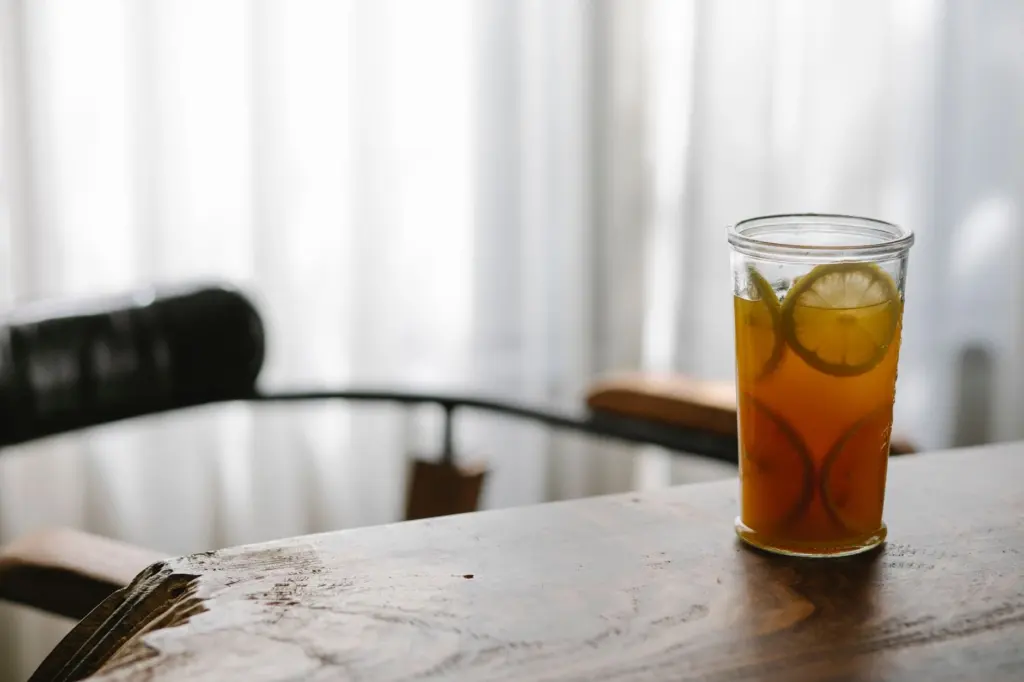
Fruit juice and honey are fermentable sweeteners, so flavoring with either gives the yeast more to work on. Add flavor sparingly to your first bottled batch and write down what you used, so you can repeat a good result or correct a bottle that builds too much pressure.
More tea recipes to try
Once the kombucha routine feels comfortable, the same attention to ratios helps with other drinks. For a whisked option, see How To Make Matcha At Home: Simple Steps, Tips, And Variations (2026 Guide) – Greatnorthernbrewing. For another tea-based recipe with its own variations, try How To Make Authentic Thai Tea At Home: Easy Recipe, Variations, And Tips (2026) – Greatnorthernbrewing.
Frequently asked questions
Can I use green tea or honey instead of black tea and sugar?
Yes, with a caveat. Black and green teas are both popular bases, and honey and fruit juice are fermentable sweeteners. The base ratios here are written for tea and sucrose, so change one ingredient at a time.
Where do I get a SCOBY?
You can buy one at a homebrew shop, or get a piece from another kombucha brewer.
How do I keep a SCOBY between batches?
Keep it hydrated in a low-pH solution, using a few hundred milliliters of your last successful batch. A dried SCOBY needs at least 30 days in a low-pH tea solution to rehydrate.