Oolong tea tastes like a bridge between green and black tea: it can be bright and floral or deep and toasty depending on oxidation and processing. Readers learn how oxidation level, terroir, and roasting create very different cups, and what to expect when trying common styles. The guide helps identify flavors so each drinker can find the oolong that fits their palate.
Key Takeaways
- Oolong tea tastes like a bridge between green and black tea, with flavors ranging from bright and floral to deep and toasty depending on oxidation.
- Lightly oxidized oolongs offer floral, green, and sweet notes, while heavily oxidized oolongs showcase toasty, fruity, and rich umami flavors.
- Terroir, processing methods, and roasting levels significantly influence oolong tea’s flavor profile, making each variety unique.
- Brewing technique, including water temperature and steeping times, is essential to unlock the full taste potential of oolong tea.
- Using a gaiwan or small teapot enhances flavor control and reveals the evolving flavors through multiple infusions of oolong tea.
The Basics: Where Oolong Falls Between Green And Black Tea
Oolong sits between green and black tea on the oxidation spectrum, partially oxidized, usually between about 10% and 80%. That partial oxidation lets leaves develop both fresh, vegetal compounds found in green tea and the richer, caramelized notes of black tea. Light oolongs lean toward bright, floral, and grassy flavors: dark oolongs move toward toasted, nutty, and sometimes stone-fruit or molasses-like notes. Texture varies too: some oolongs are crisp and clean, others feel round and syrupy on the tongue. For a beginner, think of oolong as a wide family where processing choices produce distinct taste categories rather than a single uniform flavor.
Flavor Profiles By Oxidation Level: How Light And Dark Oolongs Differ
Oxidation is the primary dial that shifts oolong flavors. Lower oxidation preserves greener, floral aromatics: higher oxidation creates roasted, fruity, and savory dimensions. Below are the two broad camps and what each typically tastes like.
Lightly Oxidized Oolongs: Floral, Green, And Sweet Notes
Lightly oxidized oolongs (roughly 10–30%) often present orchid-like florals, fresh green-leaf vegetal notes, and a delicate sweetness. Famous examples include Taiwanese high-mountain (Alishan) styles and some single-bush Tieguanyin that are rolled to emphasize fragrance. The finish tends to be clean and slightly astringent, with subtle honey or peach suggestions on the aftertaste. These teas suit people who enjoy aromatics and a lighter mouthfeel: they’re great for multiple short infusions since floral compounds unfold over several steeps.
Heavily Oxidized Oolongs: Toasty, Fruity, And Rich Umami
Heavily oxidized oolongs (roughly 40–80%) take on toasty and caramelized qualities, think roasted nuts, baked fruit, dark honey, and savory umami. Wuyi rock teas (yancha) and roasted Taiwanese styles fall into this group: they often show mineral or stone-fruit notes alongside a lingering, viscous mouthfeel. Roasting can add smoke, cocoa, or molasses accents while rounding bitterness into a plush sweetness. These oolongs suit drinkers who want depth and complexity, and they often reward longer or fewer steeps to reveal layered flavors.
How Terroir, Processing, And Roasting Shape Oolong Flavor
Three factors shape oolong character beyond oxidation: terroir, the leaf-processing choices, and the degree of roasting. Terroir, elevation, soil, and microclimate, affects aromatic precursors: high-mountain teas commonly carry floral, brisk notes, while rock-grown teas show mineral and heavier fruit tones. Processing includes withering, shaking/bruising (which starts oxidation), and rolling: more agitation encourages fruity esters, while gentle handling preserves green aromatics. Roasting is a final, decisive step: light roast preserves floral and vegetal notes, medium roast introduces caramel and toasty elements, and repeated heavy roasting creates smoky, tobacco-like layers. Small changes at each stage produce significant taste shifts, which is why two teas labeled “oolong” can taste entirely different.
Brewing Tips To Reveal Oolong’s Full Range
Brewing technique dramatically impacts the flavors that come forward. Using fresh water, the right temperature, and appropriate leaf-to-water ratios lets drinkers highlight either delicate florals or deeper roasted notes. For tasting multiple styles, a side-by-side brewing approach, same leaf weight, slightly varied temperature, helps compare nuance. Also, good-quality whole leaves typically give a cleaner, more layered cup than fannings or dust.
Water Temperature, Leaf Ratio, And Steeping Times To Try
- Light oolongs: 175–195°F (80–90°C), 1 g per 15–20 ml water, short steeps 30–60 seconds for the first infusion. Expect floral perfume and a brisk finish.
- Medium oolongs: 185–200°F (85–93°C), 1 g per 12–15 ml, 30–90 seconds initially. This range balances green and toasty notes.
- Dark/roasted oolongs: 195–205°F (90–96°C), 1 g per 10–12 ml, 60–120 seconds: longer single steeps work well. Heavily roasted leaves often withstand higher heat and multiple infusions.
- Re-infuse: Most oolongs can be steeped 4–8 times: increase time by 10–30 seconds for each subsequent infusion.
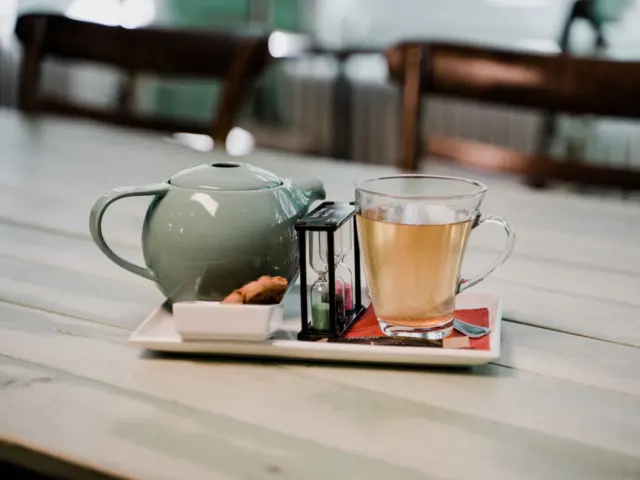
Use a gaiwan or small teapot for tasting: it gives control and reveals the evolving flavors across steeps.
Frequently Asked Questions About Oolong Tea Taste
What does oolong tea taste like compared to green and black tea?
Oolong tea tastes like a bridge between green and black tea, offering both bright, floral notes like green tea and deeper, toasty, caramelized flavors similar to black tea, depending on its oxidation level.
How does the oxidation level affect the flavor of oolong tea?
Lower oxidation (10–30%) yields floral, fresh, and sweet notes, while higher oxidation (40–80%) produces richer, toasty, fruity, and umami flavors, creating a wide range of distinct taste profiles in oolong tea.
What flavors can I expect from lightly oxidized oolong teas?
Lightly oxidized oolongs often have orchid-like florals, green-leaf vegetal notes, delicate sweetness, and a clean, slightly astringent finish with subtle honey or peach undertones.
How do terroir and roasting influence oolong tea’s taste?
Terroir affects aromatic qualities—high-mountain teas tend to be floral and brisk, rock-grown teas mineral and fruity—while roasting levels add depth, ranging from light floral notes to heavy smoky, caramelized, or tobacco-like flavors.
What’s the best way to brew oolong tea to experience its taste fully?
Use fresh water at temperatures matching the oxidation level—175–195°F for light, up to 205°F for dark oolongs—with proper leaf-to-water ratios and short to moderate steeping times. Multiple infusions reveal evolving flavors.
Can oolong tea be steeped multiple times, and does its taste change?
Yes, most oolongs can be steeped 4–8 times, with steep times increasing slightly each round. The taste evolves, often revealing more nuanced floral or roasted notes across infusions.