| Tea type | Water temperature | Steep time | Planning use |
|---|---|---|---|
| Black tea | 212°F (100°C), boiling | 3-5 minutes | Pour straight off the boil and set a timer. Leaving black tea too long makes it astringent. |
| Green tea | 175-180°F (79-82°C) | 2-3 minutes | Start at 2 minutes and adjust. Hotter water or a longer steep pushes it toward bitterness. |
| Oolong | About 195°F (90°C) | 3-5 minutes | The right time depends on oxidation level, so taste before the end of the window. |
Temperatures follow Twinings’ loose tea guidance, and steep times follow a tea brewing guide from Tea Trolley.
To learn how to steep loose leaf tea well, match the water temperature to the tea, use about 1 teaspoon of leaf per 8 ounces of water, and take the leaves out when the time ends.
The hub on tea families explains how to brew loose leaf tea across the main types. This page covers the method, the settings and the fixes for a cup that goes wrong.
Choosing water temperature by tea
Water temperature should follow the tea, not the kettle’s default setting. Black tea tolerates a full boil, while green tea turns bitter if the water is too hot.
- Black tea: Twinings recommends about 212°F (100°C), which is boiling. A second brewing guide gives the same figure, so no cooling time is needed.
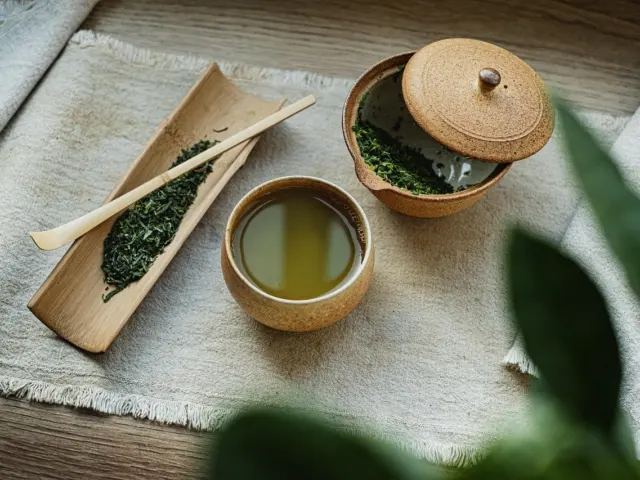
- Green tea: Twinings suggests around 175-180°F (79-82°C), while the Tea Trolley guide gives 175-185°F (80-85°C) and calls it simmering. Senbird Tea sums it up as warm, not boiling. Water that is too hot makes green tea bitter, so aim for the lower half of the range if you are unsure.
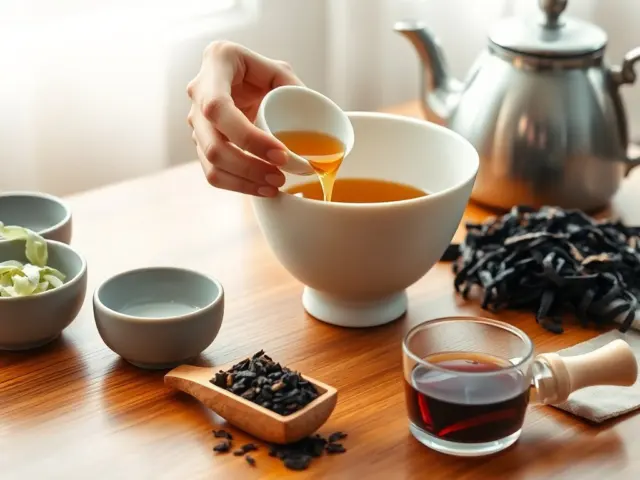
- Oolong: Twinings gives about 195°F (90°C). Tea Trolley gives 195-205°F (90-96°C), just below boiling. The two overlap at 195°F, which makes a sensible starting point.
A thermometer is the surest way to hit these numbers, but timing can stand in for one. Twinings says to pour black tea immediately after boiling and to wait 3 minutes after boiling for green tea. This suits anyone who brews green tea occasionally and does not want to buy a temperature-control kettle.
Leaf amount and steep time
Leaf amount sets strength, and steep time sets how far the cup develops, so change one at a time. Twinings calls about 1 teaspoon per 8 ounces of water a good rule of thumb for beginners. Full Leaf Tea Company gives a range of 1-2 teaspoons per 8 ounces. Begin at the low end and move toward 2 teaspoons if the cup tastes thin.
The tea brewing guide above puts black tea at 3-5 minutes and oolong at 3-5 minutes, depending on oxidation level. White tea has a delicate flavor and needs a longer steep, at 4-5 minutes. Herbal infusions run 5-7 minutes. Green tea has the shortest window at 2-3 minutes and can turn bitter if over-steeped, so it is the tea to time most carefully. For a closer look at timing, see How Long To Steep Tea: The Simple 2026 Guide To A Perfect Brew Every Time – Greatnorthernbrewing.
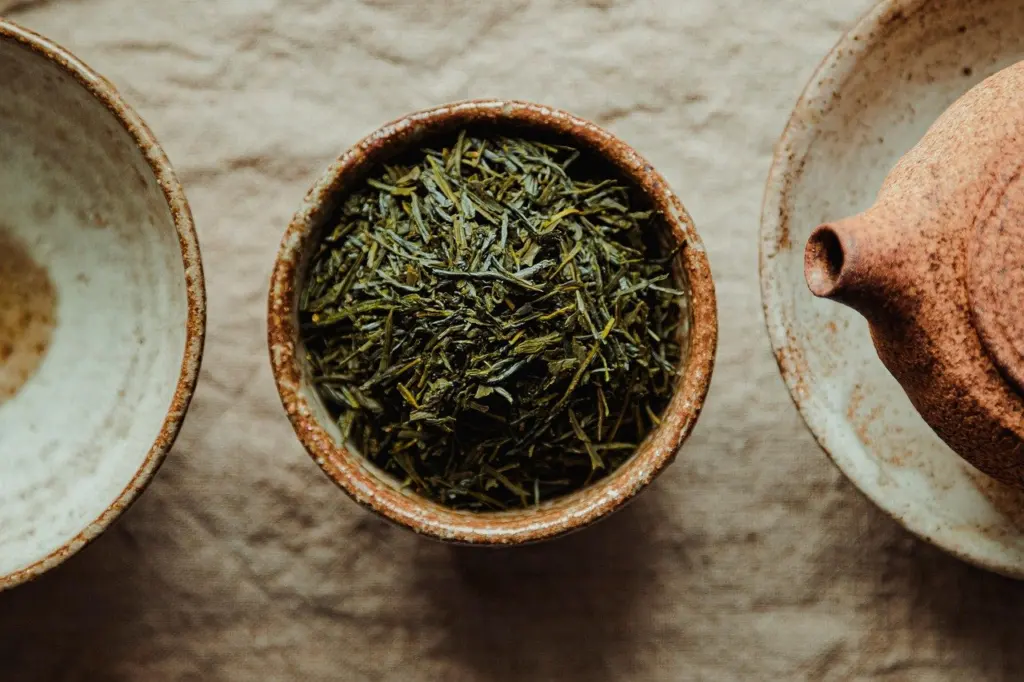
Infusers and other tools
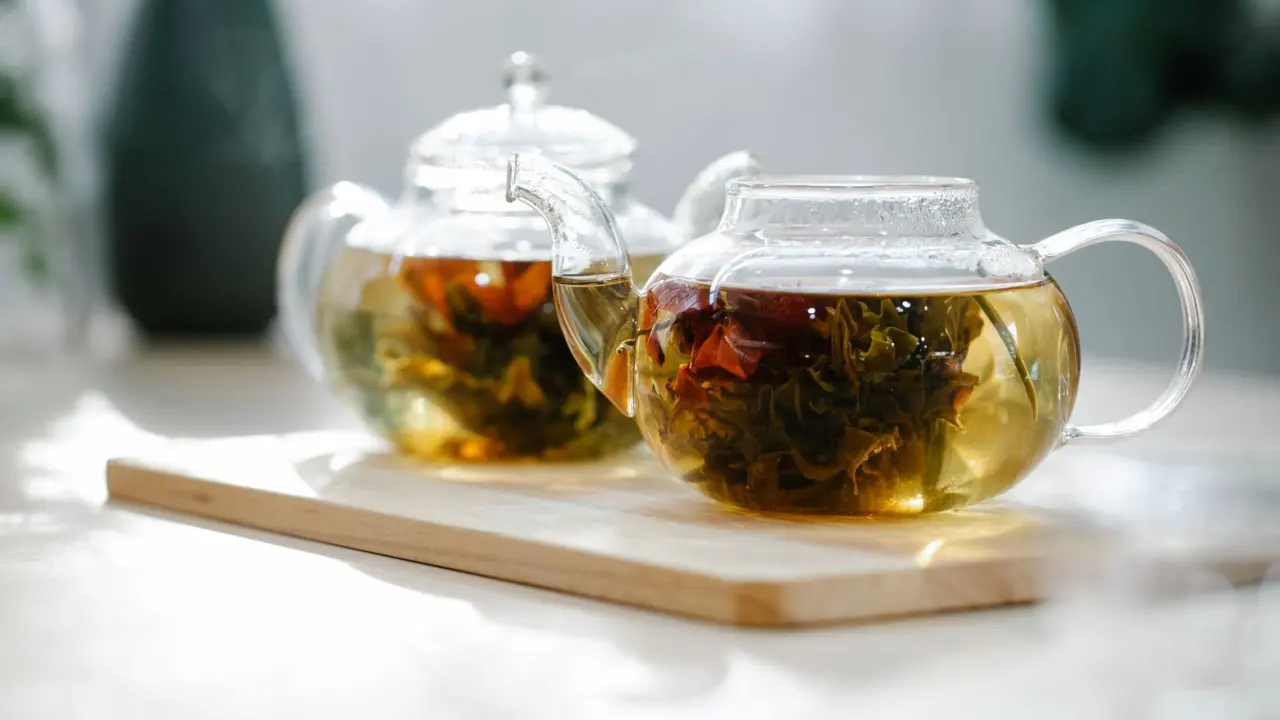
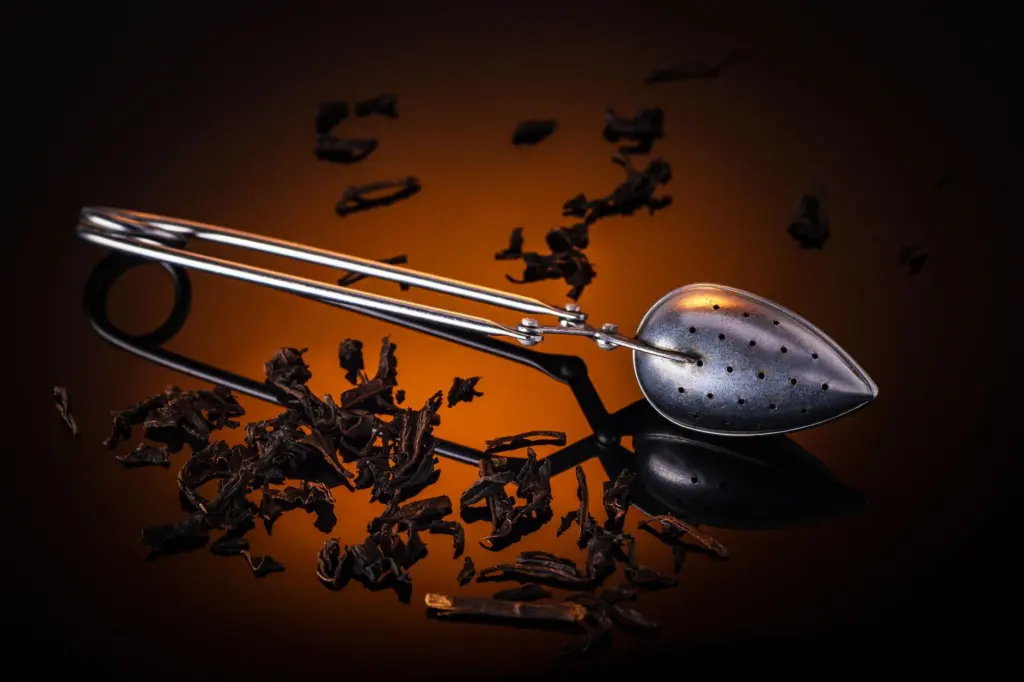
An infuser lets you brew loose leaf tea without teabags, and its size decides how well the leaves open. Full Leaf says infusers exist to replace tea bags while keeping the quality and taste of loose leaf tea.
- Choose a roomy basket: Twinings advises against many of the smallest tea balls because they often do not let the leaves fully expand. Cramped leaves cannot release what they hold, however well the time and temperature are judged.
- Accept the upkeep: A Destination Tea guide notes that an infuser can be harder to clean and can limit space for the leaves. That trade-off suits people who brew single cups and value convenience.
- Add a thermometer if you drink green tea: Without one you are relying on the waiting times above, which are approximate.
Step-by-step steeping method
Follow the same order every time and the cups become repeatable. Each step ties back to a setting above.
- Heat the water to the temperature for your tea, or let it stand after boiling for green tea.
- Measure the leaf at about 1 teaspoon per 8 ounces of water, moving toward 2 teaspoons for a stronger cup.
- Load the infuser or pot with enough room for the leaves to expand.
- Pour the water over the leaf and start a timer, using the steep time for the tea type.
- Remove the leaves when the timer ends. Twinings stresses this so the tea does not over-steep.
- Taste and note the result, then change either the leaf amount or the time on the next brew, not both.
Fixing bitter or weak tea
Most disappointing cups come down to water that is too hot, a steep that runs too long, or too little leaf. Senbird’s advice is to use cooler water or steep for less time if the tea tastes bitter.
- Bitter green tea: Check the water first. Tea Trolley lists water that is too hot as a cause of bitterness in green tea. Then shorten the steep, since green tea can turn bitter if over-steeped.
- Astringent black tea: Black tea becomes astringent when oversteeped, so lift the leaves at the end of the 3-5 minute window even if the cup looks pale.
- Weak tea: Senbird suggests steeping a little longer or using slightly more leaf next time. Choose extra leaf for delicate teas, where more time risks bitterness.
Re-steeping the leaves
Loose leaf tea can be re-steeped, and Full Leaf says it can be done up to 3 times. Senbird says many loose leaf teas can be steeped more than once. Expect softer flavor over successive infusions, so re-steeping suits a lighter cup rather than a repeat of the first one.
Why tea types need different settings
Settings differ because the teas differ in how they are made. Full Leaf describes black tea as made from highly oxidized leaf, and green tea as minimally oxidized. Oolong’s steep time depends on its oxidation level. This is why black tea takes boiling water and green tea takes cooler water. It also explains why one universal setting never suits every tea.
If the real choice is between tea and coffee for your morning, Matcha Vs Coffee: Which Fuel Is Right For Your Energy, Focus, And Health In 2026? – Greatnorthernbrewing compares the two.
Frequently asked questions
How is loose leaf tea different from teabag tea?
Full Leaf says loose leaf tea is not crushed into a teabag, which lets it keep its flavor and aroma.
Should I reuse water that has already boiled?
Fresh water is the better choice. A Destination Tea guide notes that water left boiling too long or reboiled has a lower oxygen content.
How much tea do I need for a whole teapot?
The same guide suggests 1 teaspoon per 8 ounce cup of water, plus 1 teaspoon for the pot.
Does a second steep have less caffeine?
Yes. Destination Tea notes that the second steep will have less caffeine, which may be desirable if you want a gentler cup.