The simplest way to learn how to make coffee without a coffee maker is cowboy coffee: boil coarse grounds with water in a pot, steep off the heat, then settle the grounds with a splash of cold water.
The five methods below are unranked, so choose by what you have to hand: a pot, paper, cloth or time. For gear-based routines, see how to brew coffee at home.
What every no-machine method needs
Every method here depends on three things: coarse grounds, hot water and a way to keep the grounds out of the cup. Mystic Monk Coffee recommends a coarse grind similar to sea salt for steeped coffee. It puts the ideal extraction temperature between 195°F (90°C) and 205°F (96°C). Treat that as a target range for the brewing water rather than a figure to measure exactly.
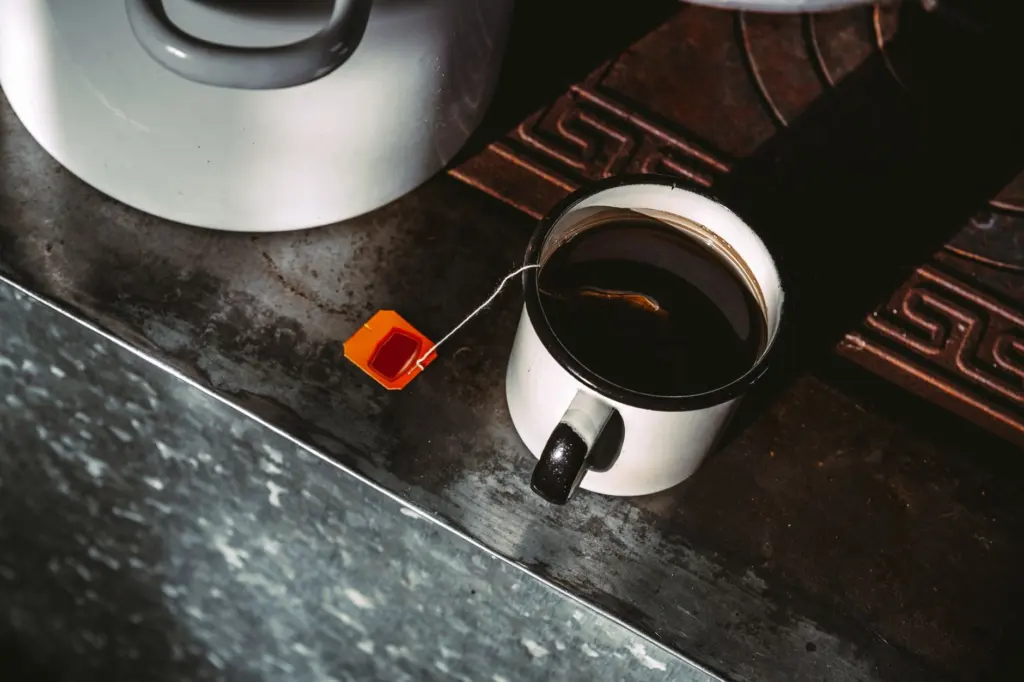
Cuppari Coffee adds two practical points. Let boiled water cool for 30 seconds before pouring. Most manual methods work best at a 1:16 ratio by weight, which is about 0.5 oz of grounds per 8 oz of water. A kettle is the ideal way to heat the water, but a pot would do the trick as well, so a missing kettle should not stop you.
Five methods without a coffee maker
1. Cowboy coffee in a pot
Cowboy coffee suits camp stoves, campfires and any kitchen where a pot is the only brewing gear. It also holds up when the setup is rough, since the method needs no filter at all.
Ratios differ between guides, so pick one and stay with it. Beanbox uses 2 tablespoons of grounds for every 6 to 8 ounces of water. Mystic Monk Coffee gives 8 oz (240 mL) of water for every 2 tbsp (roughly 10-15 g) of coffee. Atlas Coffee Club is lighter at about 1 tablespoon of grounds per 5 oz. It also fills the measuring cup to about 13 oz for a 12 oz cup, to account for evaporation and absorption. Go with the Atlas ratio for a milder cup and the Beanbox range for a stronger one.
Timing matters more than most people expect:
- Boil, then rest: Beanbox says to bring the pot to a boil, then remove it from the heat. Atlas Coffee Club boils for 2 minutes uncovered, then lets the mixture brew off the heat for approximately 3 minutes.
- Gentler saucepan route: Cuppari Coffee suggests reducing the heat to low once consistent small bubbles appear, then steeping on low heat.
- Upper limit: Mystic Monk Coffee steeps for about 4-5 minutes. Cuppari Coffee warns the coffee becomes noticeably bitter if you steep beyond 5 minutes, so treat that as a ceiling, not a target.
- Settling the grounds: Beanbox adds 2 to 4 tablespoons of cold water to the pot to help the grounds sink before you pour.
The main limitation is that the grounds stay in the pot with the coffee. Leave the pot to settle and stop pouring before the dregs reach your mug.
2. Paper towel filter over a mug
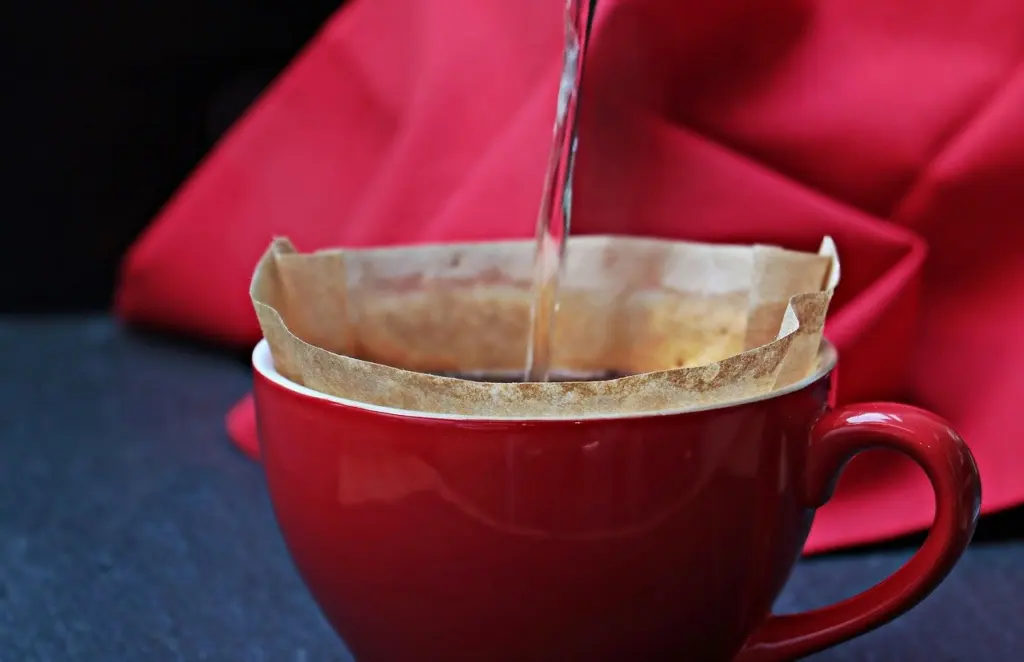
You can make coffee with a paper towel, and it is the best fit when you have a mug, hot water and paper but no dripper. One Great Coffee describes pulling a coffee filter taut over a mug, adding about a tablespoon of dry coffee grounds, then pouring hot water of at least 195 degrees slowly over a heaping tablespoon of grounds.
A paper towel stands in for the filter, but it needs more care. Cuppari Coffee says to use a double layer to prevent tearing and to rinse it first to remove paper dust. Skipping the rinse leaves the paper taste in the cup. This method makes one mug at a time, so it suits a solo cup rather than a crowd.
3. DIY coffee bag
A coffee bag works like a tea bag, which makes it the most hands-off option for anyone who wants to leave the coffee steeping in the mug. Mystic Monk Coffee says leftover coffee filters, paper towels, or even scraps of food-grade paper can form the bag.
Atlas Coffee Club’s dose is about 2.5 tablespoons of grounds for a single cup. That is more than the pour-over amount, because a bag steeps in a pot or mug instead of being rinsed through. The same guide lets the bag soak for 30 seconds, then steeps it for approximately four minutes, or longer for a higher caffeine content (Atlas Coffee Club). Extra steeping adds caffeine, but it also moves toward the bitterness the cowboy method warns about, so lengthen the time modestly.
4. Cheesecloth and a fine-mesh sieve
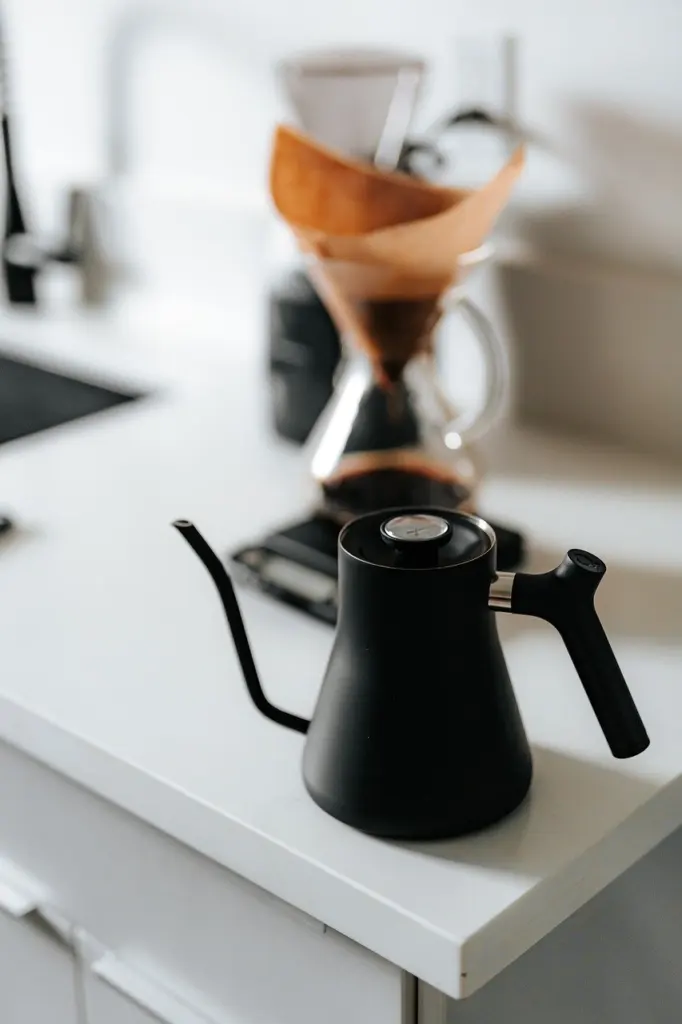
Choose cheesecloth and a sieve if you want a clean cup without a paper filter. Cuppari Coffee reports that cheesecloth combined with a fine-mesh sieve produces the cleanest cup among DIY methods. Cheesecloth pour-overs typically steep for two to three minutes. It suits people who dislike the sediment of cowboy coffee but have no paper. The limitation is that it needs two pieces of kit, so it is less of a pure improvisation.
5. Long immersion for a concentrate
Immersion brewing means grounds sit in water for an extended time, and the long version is the one to plan ahead for. Cuppari Coffee lists an 8-hour immersion at a 1:8 ratio, using 1 oz of grounds (4 tablespoons), and describes the result as concentrated and smooth. That is a much stronger ratio than the 1:16 used for most manual methods, so treat the result as a concentrate to dilute rather than a ready-to-drink cup. It suits people who can start the night before and want a base for iced drinks. For ideas on serving it cold, see Iced Coffee Made Easy: 7 Quick Recipes And Pro Tips For Perfect Cold Coffee At Home (2026) – Greatnorthernbrewing.
Comparing the five methods
| Method | Grounds and ratio | Time | Planning use |
|---|---|---|---|
| Cowboy coffee | About 1 tablespoon per 5 oz of water | 2 minutes boiling, then about 3 minutes off heat | Choose when you only have a pot |
| Paper towel filter | 1:16 by weight is the manual-method standard | Pour-through; double layer, rinsed first | Choose for one mug when you have paper but no dripper |
| DIY coffee bag | About 2.5 tablespoons per single cup | 30-second soak, then about 4 minutes | Choose for hands-off steeping in the mug |
| Cheesecloth and sieve | 1:16 by weight is the manual-method standard | 2-3 minutes | Choose for the cleanest DIY cup |
| Long immersion | 1:8 ratio, 1 oz (4 tablespoons) of grounds | 8 hours | Choose when you can plan ahead for a concentrate |
Figures come from Atlas Coffee Club and Cuppari Coffee.
Choosing a method
Match the method to your gear and your patience, not to a league table.
- Camping or a bare kitchen: cowboy coffee asks for nothing beyond a pot, water and coarse grounds.
- Paper but no dripper: use the paper towel filter for a single mug, and rinse it first.
- No standing at the stove: the coffee bag lets the mug do the work while you do something else.
- Hating sediment: cheesecloth and a sieve give the cleanest result of the DIY routes.
- Planning for tomorrow: the 8-hour immersion gives a concentrate that works as a base for other drinks.
If your goal is a milk-based drink rather than black coffee, how to make a latte at home picks up where a strong improvised brew leaves off.
Frequently asked questions
What is cowboy coffee?
Cowboy coffee is a pot method named for the cowboys who prepared and served coffee over an open fire. Grounds are boiled with water directly in the pot, then left to settle before pouring.
How do you make coffee with no filter?
Either boil the grounds in a pot and let them settle, or pour through cheesecloth set in a fine-mesh sieve. The second approach gives the cleaner cup.
Can you make coffee with a paper towel?
Yes. A paper towel can serve as a filter over a mug or as the material for a steeping bag. Double it and rinse it first.