| Topic | Supported finding | Planning use |
|---|---|---|
| Brew temperature | 180–200 °F (about 82–93 °C) for green tea; black tea steeps at 212 °F | Let boiled water rest before pouring so the leaves are not scorched |
| Daily amount | Four to six cups a day in a daily regimen; one cup a week is not expected to give benefits | Build a routine rather than an occasional cup |
| Blood pressure and cholesterol | Studies found tea may help lower blood pressure and improve cholesterol levels | Treat it as a supportive habit, not a treatment |
| Iron and calcium | Tea can reduce how well the body absorbs both | Pay closer attention if your diet is vegetarian or your mineral needs are higher |
Figures come from Kansas State University extension guidance on green tea and a Blue Cross Blue Shield of Alabama summary of a tea review.
Drinking green tea pays off as a daily habit, not an occasional cup: the extension guidance is four to six cups a day, brewed with water between 180 and 200 °F. Anyone on medication or with a health condition should check first.
If you are new to loose leaves, our guide on how to brew loose leaf tea covers equipment and technique across tea types, while this page focuses on green tea specifically.
How much green tea to drink
Kansas State University extension guidance recommends four to six cups of green tea in a daily regimen. The same guidance says a single cup once a week will not produce a bounty of health benefits. The practical reading is that frequency matters more than any one cup.
- Start lower if you are unsure. Four cups is the bottom of the recommended range, and it is a sensible place to begin if you are not used to tea. Move up only if you feel fine.
- Spread the cups across the day. A cup with breakfast, one mid-morning and one mid-afternoon fit the routine without leaning on a late-evening drink.
- Stay with brewed tea. The ranges above describe cups of tea. Concentrated green tea supplements are a different product with their own labels and warnings, covered in the safety section below.
A longer view helps too. A review of 15 studies, summarised by Healthline, linked green tea with higher amounts of EGCG, taken for at least 12 weeks, to decreases in body weight and body fat. That points to sustained use over weeks, not a short burst.
What regular drinking may change
A review published in January 2026 in Beverage Plant Research, which covered laboratory and human studies, is described by Blue Cross Blue Shield of Alabama. It reports that tea is rich in polyphenols, especially catechins, and that studies found it may help lower blood pressure and improve cholesterol levels. Note the word “may”: these are associations from a review, not guarantees for any one drinker.
- Heart-health markers. Blood pressure and cholesterol are the best-supported areas in the material above. If you already track these with a doctor, green tea can sit alongside your plan, not replace it.
- Body weight. The review tied weight and fat decreases to higher EGCG intake for at least 12 weeks. It describes a pattern across studies, so treat it as a modest extra rather than a weight-loss method.
- General health. Extension guidance is clear that green tea should be seen as a supplement to an already healthy lifestyle and not as a cure-all elixir.
The decision that follows is simple. Choose green tea because you enjoy it and want a steady, low-effort habit. If you are hoping it will fix a specific condition, talk to a clinician instead.
Who should be cautious with green tea
Most of the safety detail in the verified material comes from Cleveland Clinic guidance on green tea oral products, which is written for supplements. Brewed tea is milder, but the same list is a useful prompt for a conversation with your pharmacist or doctor, especially if you plan on several cups a day.
- Existing conditions. The guidance asks people to tell their care team about anemia, a bleeding disorder, diabetes, heart disease or irregular heartbeat, high blood pressure, kidney disease, liver disease, a seizure disorder or thyroid disease.
- Medications. It lists blood-clot medicines such as warfarin and clopidogrel, plus aspirin, stimulants, theophylline, lithium and iron. If you take any of these, ask before making green tea a daily routine.
- Pregnancy and breastfeeding. The same guidance asks anyone who is pregnant, trying to become pregnant or breastfeeding to speak with their care team first.
- Iron and calcium needs. According to Blue Cross Blue Shield of Alabama, tea can reduce how well the body absorbs iron and calcium. That matters most for vegetarian diets or when you are trying to raise these nutrients.
Supplements deserve extra care. Cleveland Clinic lists liver injury warning signs for green tea products: right upper belly pain, loss of appetite, nausea, dark urine, and yellowing of the skin or eyes. If any of these appear, stop and get medical advice promptly.
Catechins, caffeine and processing
Green tea leaves are steamed after picking, and Kansas State University extension notes that the steaming helps the leaves retain their nutrients. Black and oolong teas are dried and fermented instead. The same source says only green tea contains the potent catechin EGCG, so the processing explains why green tea is the usual focus for catechin research.
Catechins are polyphenols found across Camellia sinensis teas. They are the reason the research above centres on tea at all. Green tea is also a natural source of caffeine, which is why the safety points on medication, pregnancy and timing are worth taking seriously.
Brewing green tea step by step
Water temperature is the single biggest brewing decision. Extension guidance gives a range of 180–200 °F (about 82–93 °C) for green tea, while traditional black tea steeps at 212 °F. A kettle at a full boil is therefore too hot for loose-leaf green tea.
- Bring fresh water to a boil.
- Let it sit and cool for three minutes, which brings it into the green tea range.
- Pour the cooled water over the leaves or bag.
- Steep for three minutes.
- Lift out the leaves or bag. The extension method then lets the infusion cool a further three minutes before you drink it.
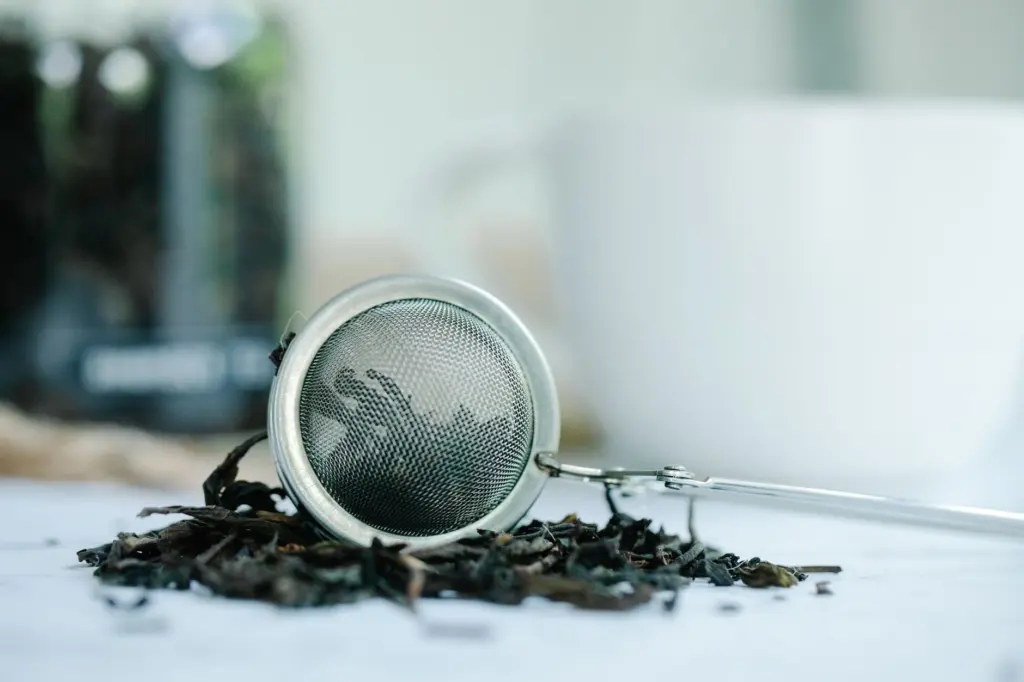
Loose-leaf tea and bags follow the same timing and temperature. Loose leaves in an infuser have room to open, which is the main reason to prefer them if you have the equipment.
Serving and variations
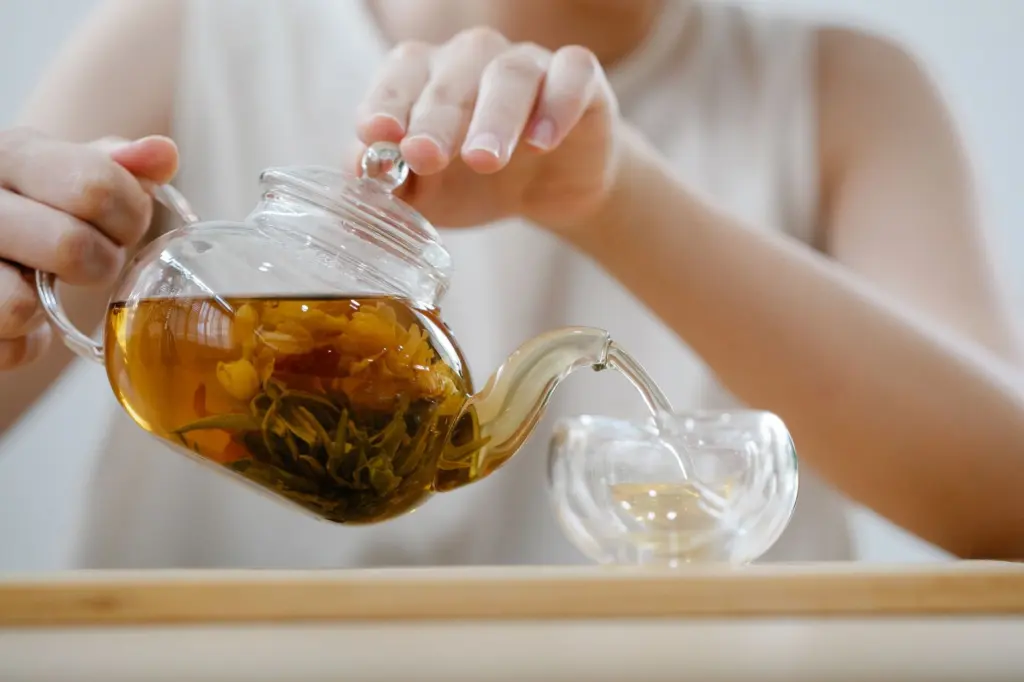
Serve green tea plain when your goal is the catechin intake discussed above. Plain brewed tea keeps the drink simple and lets you judge the flavor of the leaf itself. Pour it once the steeping time has finished and the leaves are removed, so the cup does not keep getting stronger.
If you want something creamier, a milk-based drink is a different preparation from the plain cup described here. Our The Perfect Milk Tea Recipe: How To Make Creamy, Bubble-Tea‑Style Milk Tea At Home (2026) – Greatnorthernbrewing walks through that style. If you are curious about powdered tea made from the whole leaf, What Is Matcha Made Of? Inside The Leaf, Process, And Flavor (2026 Guide) – Greatnorthernbrewing explains what goes into it.
Frequently asked questions
Does green tea have more caffeine than coffee?
No. Healthline notes that green tea contains less caffeine than coffee or energy drinks, though it is still a natural source of caffeine and can affect sensitive drinkers.
Is bottled or bubble tea the same as home-brewed green tea?
Not necessarily. Blue Cross Blue Shield of Alabama points out that bottled teas and bubble tea may contain added sugars, artificial sweeteners and preservatives, so freshly brewed tea is the cleaner choice.
Is it a problem to drink green tea close to bedtime?
It can be. Green tea contains caffeine, and Cleveland Clinic’s label guidance for green tea supplements says not to take it close to bedtime. If you are sensitive to caffeine, keep your last cup earlier in the day.