Hosting friends and wondering what food goes with coffee? Match the bake to the cup: buttery pastries for bright light roasts, sweet cakes and cookies for milky coffees, and chocolate for espresso.
That is the short answer. The routes below turn it into choices you can follow by cup, by mood or by how much baking you want to do. The closing sections cover tea-time bakes for when the kettle replaces the coffee pot.
Choose your route
Coffee pairing works best when you start from what is in the cup, not from a recipe list. Pick the situation closest to yours and follow that route.
- You are serving lattes or cappuccinos. Go to the milky coffee route. Sweet cakes, cookies and cinnamon rolls are the natural fit.
- You are pouring a bright, fruity light roast. Go to the light roast route. Butter and pastry are the main tools there.
- You are serving espresso or a dark roast. Go to the dark roast route. Chocolate, hazelnut and warm-spiced desserts lead.
- You want something savoury. Go to the savoury route. Quiche, cheese on bread and salted nuts all have support.
- You want something easy to bake for a crowd. Go straight to the easy bakes section.
- You are brewing tea as well. Finish with the tea-time bridge near the end.
How coffee and food pair
Every pairing in this guide rests on a few flavour principles. Learn them once and you can improvise with whatever is in the kitchen.
Echo the flavour or contrast it
A pairing guide from the roaster Zavida says you can emphasise similarities or highlight contrasts. Its practical advice is to start with complementary flavours. A specialty roaster’s pairing guide gives a clear example of echoing: nutty coffees pair well with nut-based pastries.
Contrast is the other tool. Starbucks At Home’s pairing guide describes buttery, sugary madeleines balancing the acidity of a light roast, and a butter croissant softening its brightness. Echoing suits a first attempt because the match is easy to see. Contrast suits a coffee that tastes sharp or intense and needs something to settle it.
Match the weight of the coffee to the weight of the food
Coalition Roasters advises matching the intensity of the coffee with the intensity of the food: lighter dishes with lighter coffees, robust dishes with darker roasts. This rule prevents the most common mismatch, where a delicate pastry disappears next to a strong cup, or a heavy dessert flattens a gentle one.
Milk shifts the balance too. Matching Food and Wine notes that milky coffees such as cappuccinos and lattes lend themselves better to sweet foods, while darker, more intense coffees such as espresso and black americano suit savoury ones. For a mixed group, that one distinction does most of the work.
Read the roast before you choose
Roast level gives a quick reading of what a coffee will taste like. Starbucks At Home says coffees on the light end of the roast spectrum tend to be more expressive, with fruit or citrus character. Mid-range roasts tend to fall into the nutty and cocoa flavour category. A rich, deep espresso roast sits at the other end and calls for richer food.
If you do not know the roast, taste the coffee before choosing. Fruit and citrus point towards pastry and butter. Nutty and cocoa notes point towards chocolate, nuts and cheese on bread.
Route for light roasts: pastries and buttery bakes
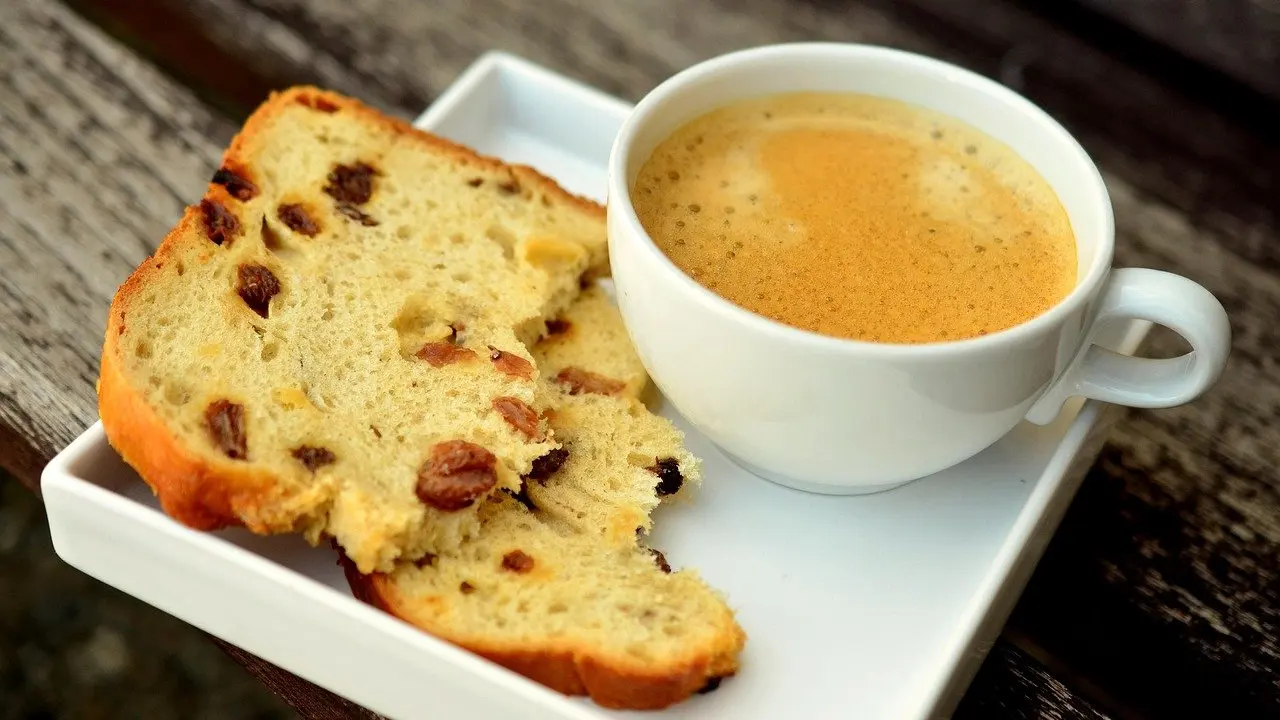
Light roasts pair best with buttery pastries. The Coalition Roasters guide recommends croissants, scones or fruit pastries with a light roast. It explains that the bright acidity of a light roast complements the buttery richness of pastries.
Croissants and madeleines
Starbucks At Home pairs a butter croissant with a light roast, because the butter softens the brightness of the coffee and gives a fuller, smoother effect. The same guide matches a light roast with madeleines. It says these buttery, sugary cookies balance the coffee’s acidity.
Both pairings are contrast pairings, and both suit a guest who finds bright coffee a little sharp. If you are buying rather than baking, a butter croissant is the lower-effort choice. Madeleines suit a plate you want to look deliberate.
Fruit pastries and fruit
Fruit pastries echo the fruit and citrus notes a light roast can show. This is the better route if you enjoy the brightness and want to keep it, rather than soften it. If fruit appeals more than pastry, the guide on what fruit goes with coffee goes further.
A fruity medium roast is a related case. Ferris Coffee’s snack guide suggests a trail mix of cherry, berry and nuts for fruity medium roasts. That makes it a useful option when nobody wants to bake.
Route for milky coffees: cakes, cookies and rolls
Lattes and cappuccinos belong with sweet bakes. Matching Food and Wine lists chocolate bars, cake and cookies as sweet pairings for coffee, and singles out brownies and chocolate chip cookies. Coalition Roasters recommends cakes, cookies or cinnamon rolls with a latte.
Cookies for the cup
Cookies are the most flexible choice here, because they suit nearly every coffee style and need no cutlery. Chocolate chip cookies and brownies are the specific favourites. Coffee-shop pastry cases are full of them for the same reason. Sturdier cookies also hold up when dunked. The guide to cookies for dunking in coffee covers that habit.
Coffee cake and the German tradition
Pairing coffee with cake is an established habit. Matching Food and Wine points to the German institution of kaffee und kuchen, meaning coffee and cake. A cake served with coffee is therefore a convention, not a gamble.
Two cakes on this site fit that tradition. The Moist Sour Cream Coffee Cake Bundt: Easy Cinnamon Streusel Recipe For 2026 – Greatnorthernbrewing is a good make-ahead cake for a group. The Blueberry Buckle Coffee Cake: A Simple, Irresistible Recipe for Lazy Weekends (2026) – Greatnorthernbrewing suits an unhurried weekend. Cinnamon rolls follow the same logic, since cinnamon is a warm-spice note that sits well with milky coffee.
When a cappuccino wants something savoury
Milky coffees lean sweet, but the cappuccino has a documented savoury partner. Coalition Roasters pairs it with cheese scones, quiche or savoury pastries. The savoury route below develops that idea. For now, treat sweet as the default for milky drinks and cheese scones as the exception.
Route for espresso and dark roasts: chocolate and rich desserts
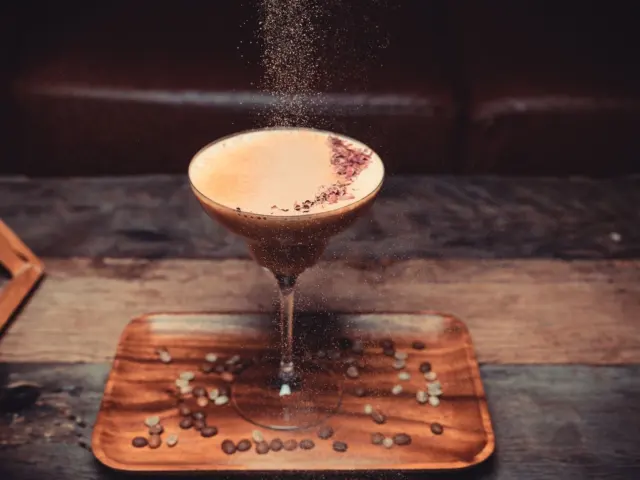
Chocolate is the safest partner for espresso and other dark roasts. Starbucks At Home calls chocolate a great complement to its espresso roast, and Coalition Roasters recommends dark chocolate or chocolate truffles with espresso. Our guide to coffee and chocolate pairing goes deeper on the types of chocolate and coffee.
Hazelnut and brioche
Not every pairing needs to be chocolate. The Starbucks guide pairs toasted brioche and hazelnut spread with espresso roast, saying the two bring out the bright pop in the coffee without adding bitterness. This is a good pick when guests dislike very bitter flavours. It is also a quick plate to assemble, with no baking beyond toasting.
Desserts of all kinds and warm spices
Zavida says dark, espresso and bold medium-dark roasts, such as Italian or French, go well with desserts of all kinds. That makes dark roasts the most forgiving choice for a dessert table. It also says Sumatran coffee goes well with desserts made with cinnamon and maple syrup, so a spiced or maple bake suits that style of coffee.
For a dessert made from coffee itself, there is the How To Make Classic Coffee Jelly: Easy Recipe, Variations, And Serving Tips (2026) – Greatnorthernbrewing. It suits a strong brew.
Decaf follows the same rule
Decaf does not need a separate strategy. Ferris Coffee says its decaf coffees pair seamlessly with dark chocolate products, so the chocolate route works for an evening cup as well.
Pairing chart by coffee style
The chart below collects the pairings that suit each coffee style. Use it as a shopping list or as a quick check before you set out a plate.

| Coffee style | Food that suits | What the food does | Planning use |
|---|---|---|---|
| Light roast | Croissants, scones, fruit pastries | Bright acidity complements buttery richness; butter softens the brightness | Buy or bake pastry; add butter if the cup tastes sharp |
| Light roast | Madeleines | Buttery, sugary cookies balance the coffee’s acidity | A tidy plate for a small group |
| Medium roast (Pike Place Roast) | Grilled cheese sandwich | Cheese and bread act like cream and sugar in the coffee | A hot savoury option for lunch |
| Latte | Cakes, cookies, cinnamon rolls | Sweet bakes suit milky coffee | Bake ahead and serve at room temperature |
| Cappuccino | Cheese scones, quiche, savoury pastries | A savoury partner for a milky coffee | Choose when the table is already sweet-heavy |
| Espresso roast | Dark chocolate, truffles, brioche with hazelnut spread | Chocolate complements; brioche and hazelnut bring out brightness without bitterness | The least effort for a finishing course |
The pairings in this chart come from Starbucks At Home’s coffee and food pairing guide and a specialty roaster’s pairing guide.
Route for savoury food: quiche, cheese and nuts
Savoury food works with coffee when the coffee is dark or the food is rich. Matching Food and Wine says darker, more intense coffees such as espresso and black americano suit savoury foods. The sources below give specific dishes.
Quiche and cheese on bread
Starbucks At Home pairs an espresso roast with a mushroom and bacon quiche, saying the usually rich, deep roast becomes creamy and sweet, like a latte. For a medium roast, the same guide pairs Pike Place Roast with a grilled cheese sandwich, saying the cheese and bread act like cream and sugar in the coffee. In both cases the food replaces the milk and sugar you might otherwise add.
If you prefer your coffee black, savoury food is the way to get that rounded effect without changing the drink. Our guide to coffee and cheese pairing goes further on cheese.
Nuts, trail mix and cold drinks
For the lowest-effort savoury plate, use nuts. Ferris Coffee suggests roasted and salted almonds with dark roast coffee. It pairs cold brew with the salty-sweet crunch of dried fruit and nuts.
Trail mix is a practical answer for cold coffee, because it needs no heating and holds up outdoors. Our guide on what to eat with iced coffee covers the cold-coffee side in more detail.
Easy bakes to serve with drinks
The easiest bakes for serving with drinks are scones, cookies and cake. The supported pairings above all draw on them. Each one covers a different kind of drinker.
Scones: one bake, sweet or savoury
Scones are the most versatile choice on the list. Coalition Roasters pairs plain or fruit scones with light roasts and cheese scones with cappuccino. One dough can therefore go in either direction, depending on whether you stir in cheese or fruit. Make them when the guest list includes both light-roast and milky-coffee drinkers.
Cookies: the dependable default
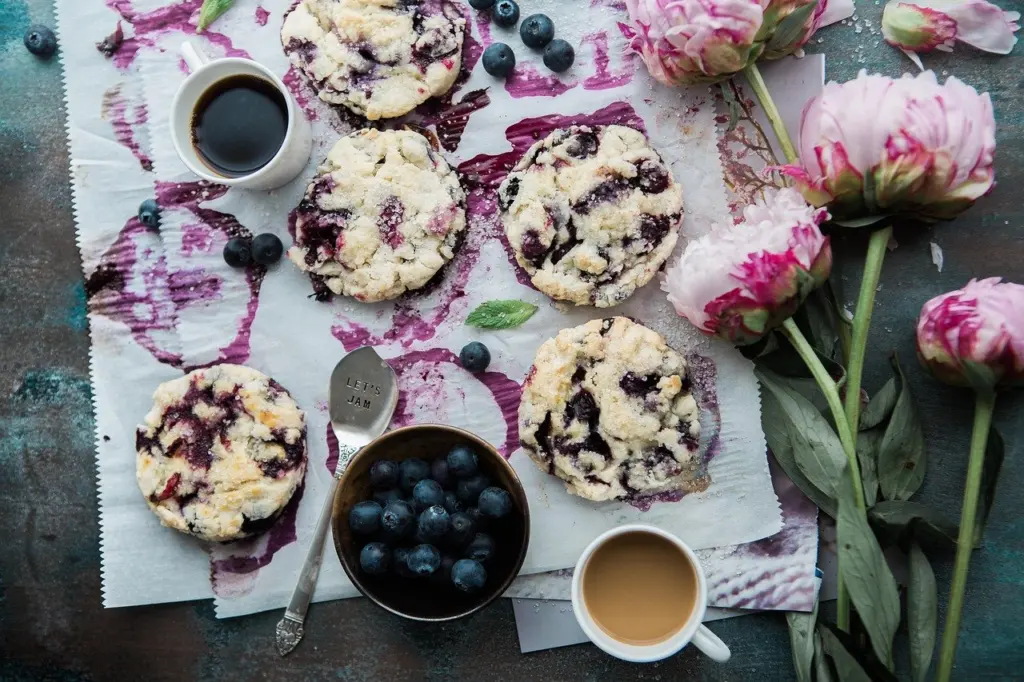
Cookies work with milky coffees, light roasts and dark roasts. Madeleines suit a light roast, and brownies and chocolate chip cookies suit sweet coffee tables generally. If you bake only one thing, choose a cookie. It travels well, serves easily and does not demand a fork.
Cake: the sit-down option
Cake is the right choice when people will sit and linger, which is the spirit of kaffee und kuchen. A coffee cake that keeps well saves effort on the day. Serve it with lattes or a dark roast, since Zavida says dark roasts go well with desserts of all kinds.
Tea cakes for mixed tables
If some guests are drinking tea, the Old-Fashioned Tea Cakes Recipe: Light, Buttery Cookies For Perfect Tea Time (Easy 2026 Version) – Greatnorthernbrewing gives you a light, buttery cookie. The Perfect Russian Tea Cakes: A Simple, Melt-In-Your-Mouth Recipe For 2026 – Greatnorthernbrewing is another option for a plate that serves both drinks. Buttery cookies suit a light roast as well, going by the madeleine pairing.
Bridge to tea: when the kettle is on
Tea drinkers want their own plate, and the same principles carry over. Echo the flavour or contrast it, and keep the weight of the food in step with the weight of the drink. Several guides on this site cover tea in detail.
- Bergamot-scented black tea. The guide on what goes well with earl grey tea covers this classic cup.
- Japanese sweets. The guide to wagashi with matcha covers traditional sweets for a matcha table.
- Chocolate for tea. The guide to tea and chocolate pairing mirrors the coffee guide above.
- Savoury tea-time food. The guide to tea sandwich ideas suits an afternoon spread.
- Lighter snacks. The guide to healthy snacks to eat with tea suits a lighter plate.
Putting a plate together
A good coffee spread is small and varied, not large. Choose one item from each route that fits your cups, and drop any item that duplicates another.
- Serving mostly milky coffees: bake a cake or cookies, and add a cheese scone if you want a savoury note.
- Serving mostly black coffee: offer buttery pastry for a light roast, or chocolate and brioche for a dark one.
- Serving a mixed group: offer cookies and scones. Both are supported with several coffee styles.
- Serving a quiet breakfast or brunch: offer a croissant for a light roast, or quiche for a rich dark roast.
- Serving iced or cold-brewed drinks: use trail mix or salted nuts, which need no oven and no plates.
Judge the match by the first sip and the first bite together. If the coffee tastes sharp, add butter or a sweeter bake. If the coffee tastes heavy, lighten the food. If both seem flat, move to the other principle and try a contrast where you tried an echo.
Frequently asked questions
| Question | Answer |
|---|---|
| What are easy bakes to serve with drinks? | Scones, cookies and cake are the dependable choices. Cinnamon rolls suit lattes, and brownies and chocolate chip cookies suit sweet coffee tables. |
| Is coffee with cake a genuine tradition? | Yes. Matching Food and Wine describes serving cake with coffee as a regular custom in Germany, known there as kaffee und kuchen. |
| What goes with decaf coffee? | Dark chocolate. Ferris Coffee says its decaf coffees pair seamlessly with dark chocolate products. |
| Should I match the coffee’s flavours or contrast them? | Either works. Zavida says you can emphasise similarities or highlight contrasts, and recommends starting with complementary flavours. |
| Which coffees suit savoury food? | Darker, more intense coffees such as espresso and black americano. A cappuccino also works with cheese scones or quiche. |