Coffee drinks with alcohol pair a strong coffee base with vodka, rum, whiskey or coffee liqueur. Serve shaken versions cold and hot versions diluted with plenty of coffee, and measure every pour so the coffee stays noticeable.
Every recipe below starts with good coffee, so if your base needs work, read how to brew coffee at home before you reach for the shaker.
How coffee and spirits combine
A coffee cocktail comes down to three decisions: the coffee, the spirit and the temperature. Each one changes how much coffee character survives the alcohol, and most disappointing drinks fail on one of them.
The coffee base
Fresh espresso and cold brew behave differently in a shaker. Cold brew runs noticeably lower in acidity than hot-brewed espresso. According to Big Shots Amsterdam, it can replace espresso in stirred drinks but lacks the acidity and crema that a shaken drink relies on. In practice, choose espresso when you want a foamy, shaken cocktail. Choose cold brew when you are stirring or building a drink over ice and want a smoother, less sharp cup.
The spirit and the liqueur
Vodka is, by definition, technically odorless and flavorless. That makes it the cleanest way to add alcohol without competing with the coffee. Coffee liqueur does the opposite and adds flavor. Kahlúa, for example, is a coffee-flavored liqueur with hints of vanilla and caramel. Rum and whiskey bring their own character, so they suit drinks where you want the spirit to be tasted rather than hidden.
Temperature and proportion
Hot drinks are mostly coffee. Big Shots Amsterdam notes that warm coffee-and-spirit drinks lean closer to 3 parts coffee to 1 part spirit. Cold, shaken drinks flip that balance, with spirit and liqueur taking up most of the glass and a small measure of espresso supplying the bitterness and foam. Knowing which family a recipe belongs to tells you quickly whether it will taste like a coffee with a kick or a cocktail with coffee in it.
Recipe measurements at a glance
The builds below cover the best-known shaken and hot coffee cocktails, with the measurements exactly as the recipes give them. Treat them as starting points and adjust the sweetness to your liqueur.
| Drink | Build | Planning use |
|---|---|---|
| Espresso martini | 45-50 ml vodka, 30 ml coffee liqueur, 30 ml fresh espresso, shaken hard with ice | The default party cocktail; needs fresh espresso for foam |
| Carajillo | Equal parts espresso and Licor 43, shaken about 15 seconds over fresh ice | Only two ingredients, so the fastest option for a quick drink |
| White Russian | Roughly 2 parts vodka to 1 part coffee liqueur, finished with a cream float | A creamy, dessert-style choice that needs no espresso |
| Mexican coffee cocktail | 1 1/8 oz coffee liqueur, 1 oz vodka, 1 oz espresso, shaken over ice and strained | Spirit-forward; suits drinkers who want a strong, sweet finish |
| Salted caramel coffee martini | 1/2 oz coffee liqueur, 1 oz vodka, 2 oz cold coffee | Lighter on liqueur and easy to build with leftover cold coffee |
| Café Don Juan | 3/4 oz dark rum, 1 oz coffee liqueur, 5 oz hot coffee | A warm, mug-style drink for cold evenings |
Measurements come from Big Shots Amsterdam and the Distillery Trail collection of 20 spiked coffee cocktails.
What the proportions tell you
- Mexican coffee cocktail: espresso is the smallest pour in the glass, so the drink tastes more of liqueur and vodka than of coffee. Choose it when you want a sweet nightcap rather than a pick-me-up.
- Salted caramel coffee martini: cold coffee is the largest component here, so this is the gentler of the shaken drinks and the better pick for slower sipping.
- Café Don Juan: the hot coffee outweighs the rum and liqueur, which gives a mellow, long drink instead of a short, punchy one.
Espresso martini step by step
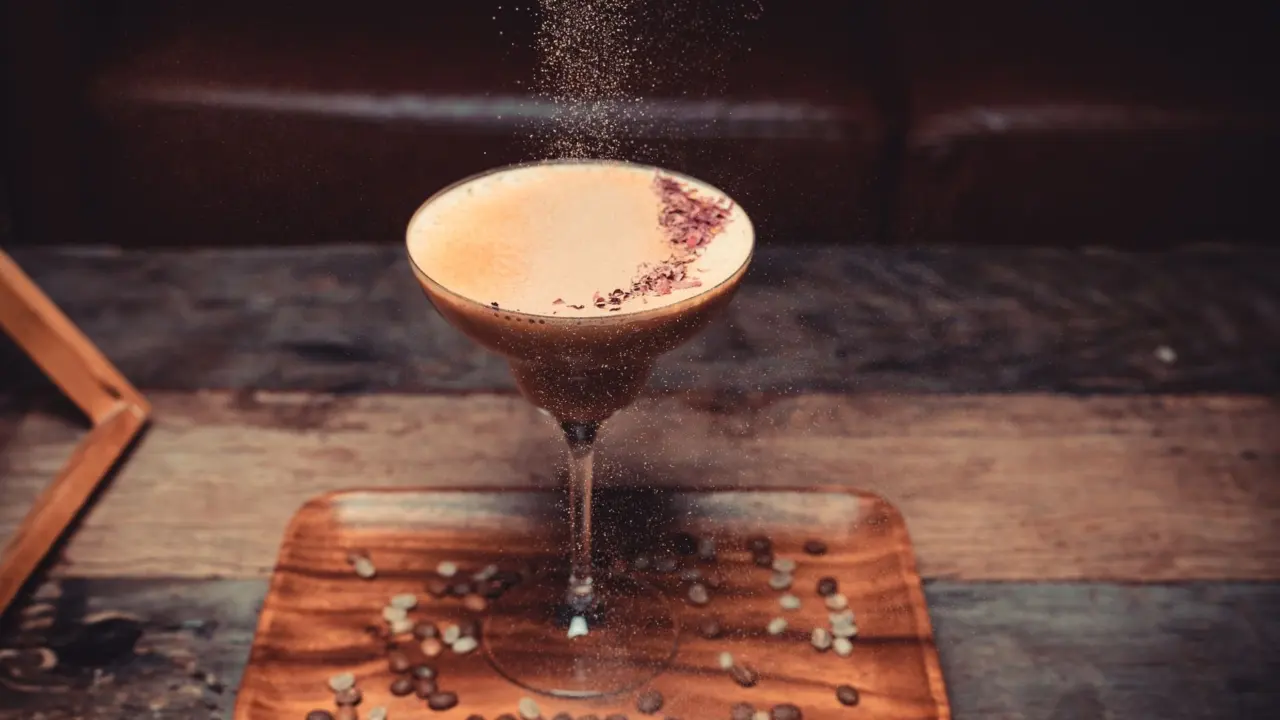
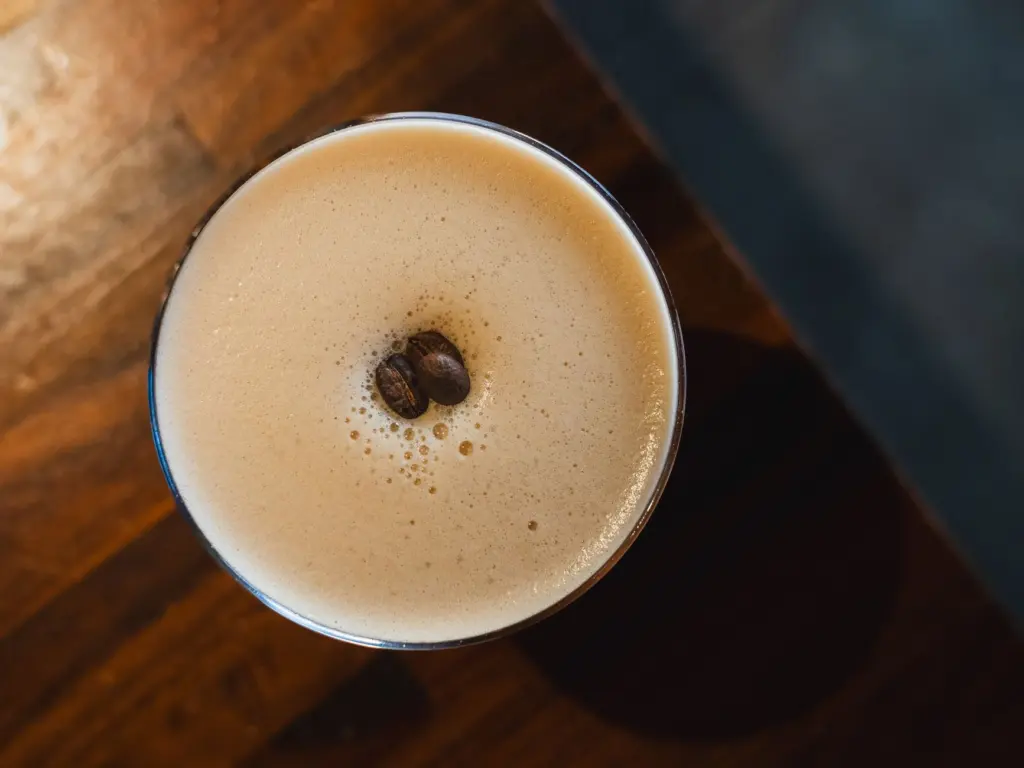
The espresso martini is the best-known of the coffee cocktails, and it rewards a little care with the espresso. Catholic Coffee describes it as a chilled blend of espresso, vodka, coffee liqueur and simple syrup, shaken to create a creamy foam. Some recipes add the syrup and others rely on the liqueur for sweetness, so taste your liqueur before sweetening.
- Pull the espresso first. Let the fresh shot cool slightly, about 1 to 2 minutes, so it does not melt the ice too quickly.
- Measure into the shaker. Add 45-50 ml vodka, 30 ml coffee liqueur and 30 ml fresh espresso, then fill with ice.
- Shake hard. Vigorous shaking is what builds the foam on top.
- Strain and garnish. Pour into a chilled coupe and finish with coffee beans on the foam.
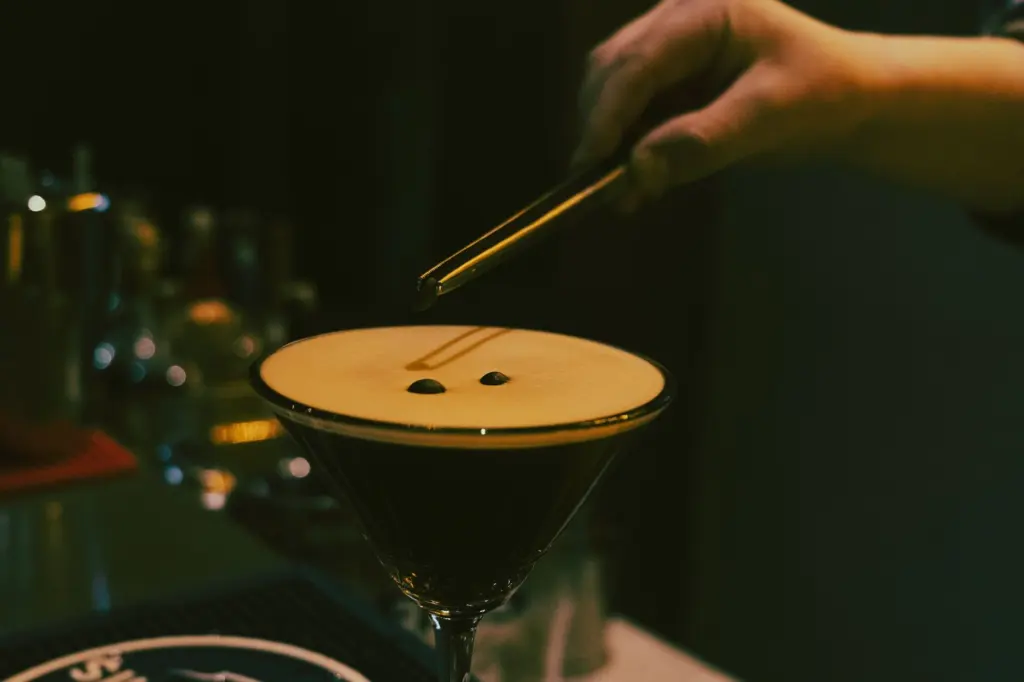
If the foam is thin, the usual culprits are an espresso that was not fresh or a shake that was too gentle. Cold brew will not rescue it, because it lacks the crema that supports the foam.
Irish coffee and cream-topped drinks
Irish coffee is the classic hot option, and its ingredient list is short. According to Baileys, a traditional Irish coffee is made with coffee and whiskey, while its own version swaps in Baileys Irish Cream. That liqueur is a blend of Irish whiskey and cream, which makes the drink noticeably sweeter than the traditional build.
This leads to a simple choice. Pick the whiskey version if you like a drier, more coffee-forward cup, and the Irish cream version if you want something closer to dessert. Both sit comfortably in the warm family, so keep the coffee as the main volume and the alcohol as the supporting pour.
The White Russian in the table above uses the same idea of a cream finish on a cold drink. If you enjoy a soft, airy topping on coffee, the technique in the Whipped Coffee Recipe: 5-Minute Dalgona-Style Coffee For Creamy At-Home Café Drinks – Greatnorthernbrewing shows how to build one without alcohol, and it can inspire your own topping for a hot or iced drink.
Iced and rum-based options
Cold drinks are the easiest place to start, because they need no shaker technique. A simple adult iced coffee from Shake Drink Repeat uses 3/4 cup cold coffee, 1 1/2 oz flavored vodka and 2 cups ice to serve 1. The flavored vodka supplies the sweetness or spice, so you do not need a separate syrup.
Cold brew suits iced builds because it is lower in acidity than espresso and works in stirred drinks. Rum fits the same style. Dark rum already pairs with coffee liqueur and hot coffee in the Café Don Juan, so a stirred glass of cold brew over ice with a rum pour follows the same logic. Stir it instead of shaking it, and keep the rum measured so the coffee still leads.
Choosing the right drink
The best coffee cocktail depends on the occasion more than on any ranking. These pairings of mood and drink hold up well:
- For a party or an after-dinner round: the espresso martini, since the shaken foam looks impressive and the build is quick once the espresso is ready.
- For a cold evening: Irish coffee or Café Don Juan, both of which keep the coffee volume high.
- For minimal effort: the carajillo, with just two ingredients in equal parts.
- For a sweet, creamy finish: the White Russian, or the Baileys version of Irish coffee.
Because the coffee carries so much of the flavor, better beans make a visible difference. The guide to Best Coffee In The World: 7 Exceptional Beans And How To Find Them In 2026 – Greatnorthernbrewing is a good place to look when you want a cup worth spiking.
Serving them responsibly
Coffee can mask how strong a drink is, so measure rather than pour freehand, and serve food and water alongside. Anyone who is driving should stick to a non-alcoholic coffee. Spirit-forward builds such as the Mexican coffee cocktail are best offered in small portions.
Frequently asked questions
What are the best coffee cocktails?
The espresso martini, Irish coffee and the carajillo are the most useful starting points. Choose by temperature and sweetness: shaken and cold, hot and mellow, or short and two-ingredient.
How do I make an espresso martini?
Shake vodka, coffee liqueur and freshly pulled espresso hard with ice, then strain into a chilled glass. Let the espresso cool briefly first, and use the volumes in the step-by-step section above.
What is in Irish coffee?
Traditional Irish coffee contains coffee and whiskey. A sweeter variation replaces the whiskey with Baileys Irish Cream, a blend of Irish whiskey and cream.
Can cold brew replace espresso in coffee cocktails?
Yes, in stirred drinks. It is not a good substitute in shaken drinks because it lacks the acidity and crema that give espresso-based cocktails their foam.