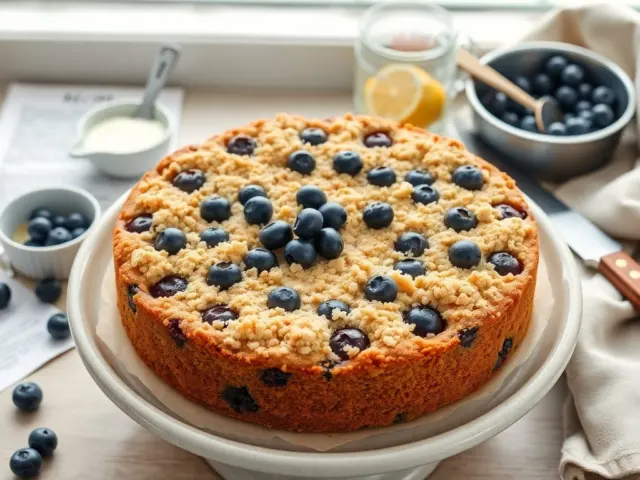
A sour cream coffee cake bundt delivers moist crumb and bold cinnamon flavor. The baker mixes simple pantry items and sour cream for lift and richness. This recipe fits weeknight baking or weekend brunch. It yields a tender cake that holds up to thick streusel and a light glaze. Read on for clear steps, smart swaps, and texture tips that address mixing, pan preparation, and finishing so your sour cream coffee cake bundt looks and tastes like it was made by a pro.
Key Takeaways
- Sour cream coffee cake bundt achieves a moist, tender crumb thanks to sour cream’s fat and acid content, which also add a subtle tang that balances sweetness.
- Using sour cream or a 1:1 Greek yogurt substitute keeps the cake fresh longer and enhances texture over oil-only alternatives.
- Smart ingredient swaps and gluten-free options make this sour cream coffee cake bundt versatile for various dietary needs.
- Proper mixing, pan preparation, and baking techniques ensure perfect texture and easy cake release from the bundt pan.
- Storing the cake at room temperature or refrigerated extends its freshness, while freezing preserves slices for up to three months.
- Reheat slices in a low oven or microwave for best results, and serve with coffee or creamy toppings to enhance flavor.
Why Sour Cream Makes This Bundt Cake Irresistible
Sour cream adds fat and acid. The fat adds moisture and richness that coats flour proteins, which helps produce a soft, fine crumb rather than a dry, crumbly cake. The acid in sour cream reacts with baking soda (if included) to give a gentle lift and helps tenderize gluten so the texture stays delicate. Together they produce a soft, fine crumb and a subtle tang that balances the sweet streusel and glaze commonly paired with a sour cream coffee cake bundt. Because the batter is richer and holds more moisture than many oil-only recipes, the cake resists staling and keeps a pleasant mouthfeel for several days. Beyond flavor and texture, sour cream can slightly deepen the cake’s color and encourage even browning. If you prefer less tang, use a milder dairy such as full-fat Greek yogurt; for a lighter version, part-skim yogurt works, though texture will be slightly firmer.
Ingredients — What You Need And Smart Substitutions
For the cake, the baker needs: 2 1/2 cups all-purpose flour, 1 1/2 cups sugar, 2 teaspoons baking powder, 1/2 teaspoon baking soda, 1/2 teaspoon salt, 3 large eggs, 1 cup sour cream, 1/2 cup butter (melted and cooled), 2 teaspoons vanilla, 1/2 cup milk. For the streusel, the baker needs: 1 cup brown sugar, 1/2 cup cold butter (cubed), 1 tablespoon cinnamon, 1 cup flour. These amounts form a balanced batter and a generous cinnamon swirl or topping ideal for a bundt pan. Smart swaps: the baker can use Greek yogurt instead of sour cream at 1:1 for similar moisture and tang; if using plain yogurt, choose full-fat for best texture. The baker can use neutral vegetable oil plus 2 tablespoons buttermilk if sour cream is not available—this keeps moisture but changes the mouthfeel slightly. For a lighter cake, reduce sugar by up to 10–15% but expect a different crumb. For gluten-free, the baker can use a 1:1 GF flour blend and add 1/4 teaspoon xanthan gum to mimic gluten’s structure. To make this dairy-free, use a non-dairy yogurt alternative with similar thickness and a vegan butter replacement; results will be slightly different but still very good. If you want a more pronounced cinnamon layer, double the streusel or add a teaspoon of espresso powder to the streusel for deeper flavor without making the cake taste like coffee.
Step-By-Step Baking Instructions
The baker preheats the oven and prepares the bundt pan. Preheat to 350°F (175°C) unless your recipe notes otherwise; a heavy, well-greased pan promotes even browning. Prepare the pan by brushing melted butter into every groove and then dusting with flour or using a baking spray with flour—pay special attention to crevices so the sour cream coffee cake bundt releases cleanly. The baker mixes dry ingredients in one bowl (flour, baking powder, baking soda, salt) and wet ingredients in another (eggs beaten with sugar until slightly thickened, then add melted butter, sour cream, milk, and vanilla). Combining wet and dry: fold dry into wet until just combined—overmixing develops gluten and toughens crumb. The batter should look thick and smooth, spoonable rather than pourable. To assemble, spoon about half the batter into the prepared bundt, sprinkle half the streusel, then add remaining batter and finish with more streusel or swirl gently with a knife to create a visual ribbon. The baker layers batter and streusel and then bakes on the center rack until a skewer inserted in the cake’s thickest point comes out clean or with a few moist crumbs—depending on pan size this typically takes 45–60 minutes. If the top is browning too quickly, tent with foil for the final 10–15 minutes. The baker cools the cake in the pan for 10–15 minutes—this lets the structure set—then inverts onto a rack to cool fully. For a glossy finish, allow the cake to cool 15–20 minutes before drizzling a simple glaze of powdered sugar and milk or cream and a touch of vanilla; a warm cake will absorb the glaze unevenly so time the drizzle when the cake is warm but not hot.
Tips For Perfect Texture, Crumb, And Release
The baker measures flour by spooning it into the cup and leveling it—do not pack unless the recipe specifies. The baker avoids overmixing after adding flour; mix only until streaks disappear. The baker uses room-temperature eggs and sour cream for even mixing and to help the batter emulsify; cold ingredients can lead to uneven crumb and pockets. The baker taps the pan on the counter to remove large air pockets before baking and smooths the top so the cake bakes evenly. For pan release: brush the pan with melted butter, making sure to reach every nook of a decorative bundt; dust with flour or use a flour-containing baking spray and knock out excess flour. For stubborn sticking in ornate pans, cool slightly longer in the pan—10–20 minutes—before inverting, and use a thin offset spatula to loosen edges if needed. To check doneness without drying: use an instant-read thermometer (about 200–205°F in the center for most dense cakes) or the skewer test—if the skewer has moist crumbs but no wet batter, the cake is done. If your streusel sinks too much, reduce the butter in the streusel slightly or chill the streusel before layering. For a fine crumb, avoid excessive creaming of butter and sugar when the recipe uses melted butter; gentle mixing preserves tenderness in a sour cream coffee cake bundt.
Storage, Reheating, And Serving Suggestions
The baker stores the sour cream coffee cake bundt covered at room temperature for up to 2 days to preserve a slightly softer crumb; wrap loosely in foil or keep in a cake dome. The baker stores it in the fridge for up to 5 days to maintain freshness longer—bring chilled slices to room temperature or warm briefly before serving so the texture softens. The baker freezes slices in wrap and foil for up to 3 months; thaw overnight in the fridge or at room temperature for a few hours. To reheat, the baker uses a 300°F (150°C) oven for 8–12 minutes for a single slice or 20 minutes for a whole cake to warm through without drying; cover loosely with foil if reheating a whole cake to prevent over-browning. The baker microwaves individual slices for 12–20 seconds if time is tight—watch carefully to avoid making the crumb gummy. The baker serves the cake with coffee, vanilla ice cream, or a dollop of whipped cream; a sprinkle of flaky salt on a buttery glaze can heighten flavor contrasts. For presentation, dust with powdered sugar, pipe a thin ribbon of glaze down the center, or serve slices with a small pot of warmed fruit compote. The baker slices with a serrated knife, using a gentle sawing motion to keep the crumb intact and show the beautiful streusel swirl that makes a sour cream coffee cake bundt so appealing.