| Method | Key condition | Time or keeping | Planning use |
|---|---|---|---|
| Brewed coffee over ice | 1 cup brewed coffee, chilled or at room temperature, poured over a glass of ice | Prep 5 minutes, serves 1 | Fastest route when coffee is already made and cooled. |
| Hot-brewed iced coffee | Brew, then cool before it meets the ice | Prep 10 mins, cook 10 mins | Suits a fresh pot when you have a short window. |
| Instant iced coffee | Instant coffee instead of brewing | Prep 3 mins | The quickest option when brewing is not practical. |
| Cold brew concentrate | Ground coffee steeped in cold water, then strained | Steeped 12 to 24 hours | Plan the day before; dilute with water to set strength. |
| Coffee ice cubes | Cooled coffee frozen in ice cube trays | Freeze ahead of time | Cools the drink without watering it down. |
| Made-ahead brewed coffee | Airtight container in the fridge | Up to 4 days | Batch once, then pour over ice through the week. |
The figures come from Love & Lemons’ iced coffee recipe and Folgers’ iced coffee recipe.
A good ice coffee recipe starts with cold or room-temperature brewed coffee poured over ice, because hot coffee melts ice quickly and leaves the drink thin and weak.
If you want the fundamentals behind every cup, start with how to brew coffee at home, then come back here for the cold-drink variations.
Matching the method to your day
The right iced coffee depends mostly on how much notice you have. The methods differ less in flavor than in how much waiting they ask of you, so choose by schedule first and refine the taste afterwards.
- Coffee already in the pot: let it cool, then pour it over ice. Love & Lemons gives a prep time of 5 minutes for a single serving, which makes this the default for a quiet morning.
- A fresh brew and a short window: Folgers lists about 10 minutes of prep and 10 minutes of cooking for its brewed iced coffee. That suits someone who wants a fresh pot rather than leftovers.
- Planning a day ahead: cold brew concentrate needs a long steep, so it rewards people who will drink several glasses over the following days.
- Sweet, milky drinks: a concentrate-based drink gives you control over strength, which matters once milk and sweetener join the glass.
Whichever route you pick, the next problem is the same: how to keep the glass from tasting diluted.
Keeping the glass from tasting watery
A watery iced coffee is nearly always a temperature problem or a strength problem. Love & Lemons advises starting with cold or room-temperature coffee rather than hot, because hot coffee melts the ice quickly. Every fast method in this guide therefore includes a cooling step before the ice goes in.
Two further habits help once the coffee is cool:
- Brew it stronger. Using slightly more coffee grounds than you normally would keeps the flavor present after the ice melts a little. Treat that as a modest adjustment, not a licence to over-pack the filter.
- Freeze the coffee itself. Pour cooled coffee into ice cube trays and freeze it. As the cubes melt they release more coffee instead of plain water, so the last sip tastes like the first.
Coffee ice cubes need advance planning, so they suit people who drink iced coffee daily. If you only make it occasionally, a stronger brew over ordinary ice is the simpler fix.
Quick iced coffee over ice
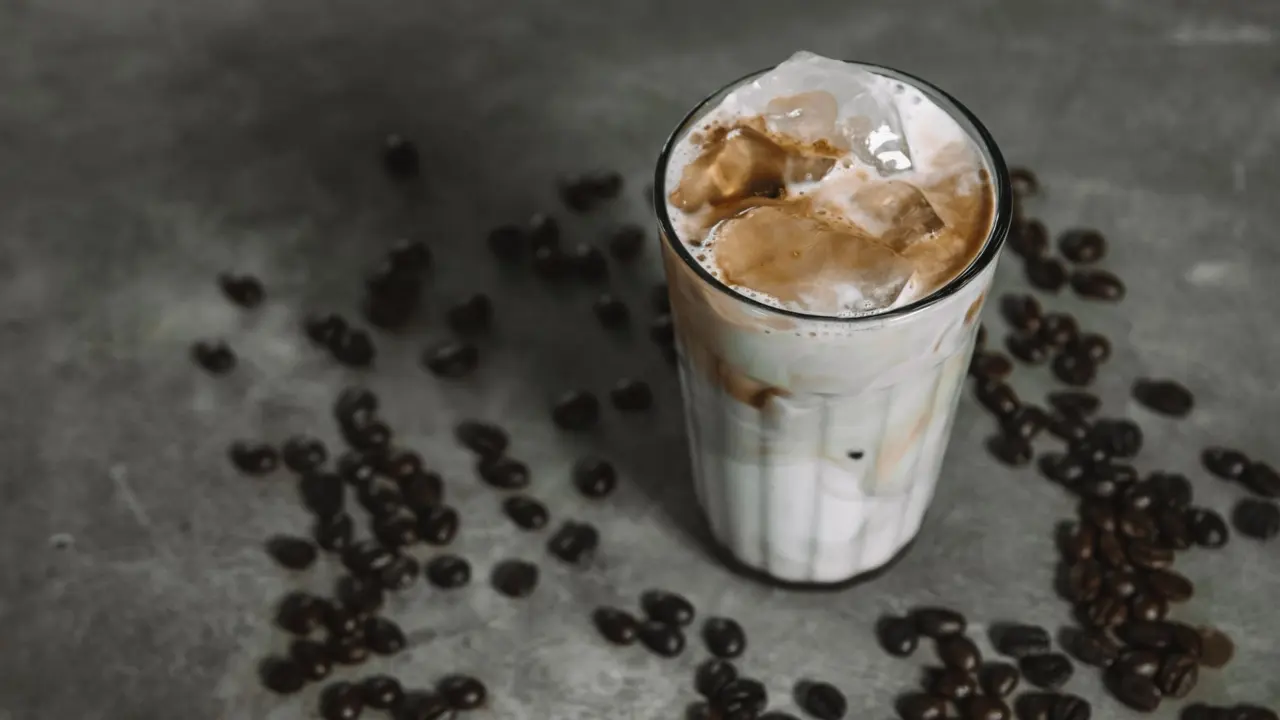
The quick method is the one to choose when you want a glass now and are happy with a straightforward result. Chill brewed coffee, fill a glass with ice, and pour one cup of the cooled coffee over it. Love & Lemons counts this as a 5-minute prep for one serving, and the coffee can be at room temperature or chilled.
If you do not have the coffee ready, Folgers shows a brewed version with 10 minutes of prep and 10 minutes of cooking, and an instant-coffee shortcut with 3 minutes of prep for the extra-quick pick-me-up. The practical difference is freshness against speed. Brewed coffee gives a fuller cup, while instant removes nearly every step.

If you do not own a drip machine, how to make coffee without a coffee maker covers ways to produce the base coffee before you chill it.
Cold brew concentrate and how it differs from iced coffee
Iced coffee is coffee brewed in the usual way and then cooled; cold brew is a different process. According to Love & Lemons, cold brew is made by steeping ground coffee in cold water for 12 to 24 hours, then straining the grounds out. No heat is involved, which is why it has its own character rather than being simply a chilled version of a hot cup.
The concentrate version is intense and can taste bitter on its own, so it is meant to be diluted. Adding water gives you complete control over strength. You can pour the same concentrate into a light, long drink or a stronger, milkier one.
Choose concentrate if you will drink iced coffee across several days and can plan the night before. Choose the quick method if you want one glass today. Starbucks at Home lists 16 cold brew concentrate recipes in its cold coffee collection, a sign of how many drinks one batch of concentrate can feed.
Vietnamese-style iced coffee
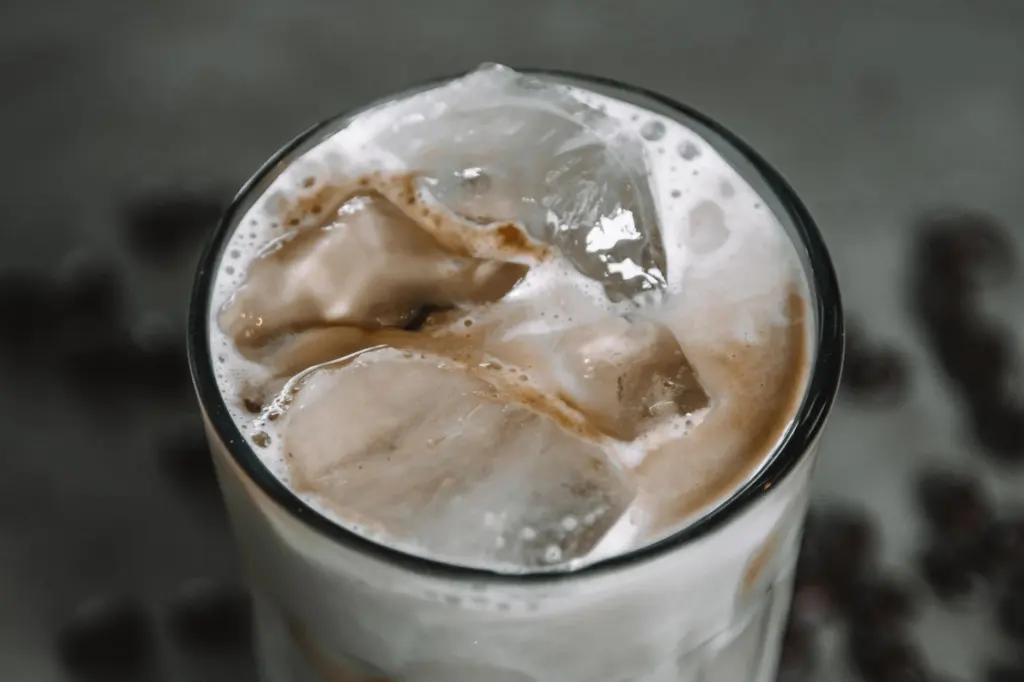
Vietnamese iced coffee is a richer, sweeter relative of the basic glass, and it turns up regularly in round-ups of iced coffee ideas. The Sweetest Occasion places Vietnamese iced cold brew coffee as one of its 12 listed recipes, which points to concentrate as a natural base.
In practice that means making cold brew concentrate, diluting it with water to a strength you like, and building the sweetness and milk on top. It is the right pick when you want a dessert-like drink rather than a refresher. If you prefer the plain taste of coffee, the quick method over ice is the better fit.
Milk and sweeteners
Almond, oat, soy and whole milk all work in iced coffee, so choose by taste and dietary need rather than by a fixed rule, according to Love & Lemons. Because cold drinks do not blend ingredients as readily as hot ones, add the milk after the ice and stir once.
For sweetness, simple syrup is the neutral choice because it does not add a flavor of its own. A homemade syrup is also one of the ideas on The Sweetest Occasion’s list, where homemade iced coffee syrups are recipe 7 of 12. Plain sugar is fine if you stir it until it dissolves, though a syrup saves the effort in a cold glass.
Making coffee ahead
Brewed coffee made ahead keeps in the fridge in an airtight container for up to 4 days, according to Love & Lemons. That makes a single batch a practical plan for a working week: brew once, chill, and pour over ice as needed. Treat 4 days as the ceiling rather than a target, and use the oldest coffee first.
Beans matter more in a cold drink than people expect, because there is little else to hide behind. If you are choosing what to buy, The Best Coffee Roasters In The U.S. — 2026 Picks For Fresh, Flavorful Beans – Greatnorthernbrewing is a good place to start.
Frequently asked questions
How should I sweeten iced coffee?
Stir sugar until it dissolves, or use simple syrup if you want a neutral sweetener that mixes easily into a cold glass.
Can I drink cold brew concentrate straight?
It is better diluted. The concentrate has a very intense flavor and can taste bitter on its own, so add water until it suits you.
What if I only have a few minutes?
Folgers offers an instant coffee route with 3 minutes of prep for a very quick iced coffee, while chilled brewed coffee over ice takes about 5 minutes of prep.
Is it fine to use hot coffee straight over ice?
It works against you. Hot coffee melts the ice quickly, so cool it first or freeze coffee into cubes to protect the flavor.