French press or pour over? Choose the French press for a full, syrupy cup with little effort, and pour-over for a lighter, cleaner cup that takes more attention. Both can taste excellent with the right grind and ratio.
If you are still setting up your routine, the guide on how to brew coffee at home covers the wider basics. This page settles the choice between these two brewers and gives a starting recipe for each.
Immersion versus drip
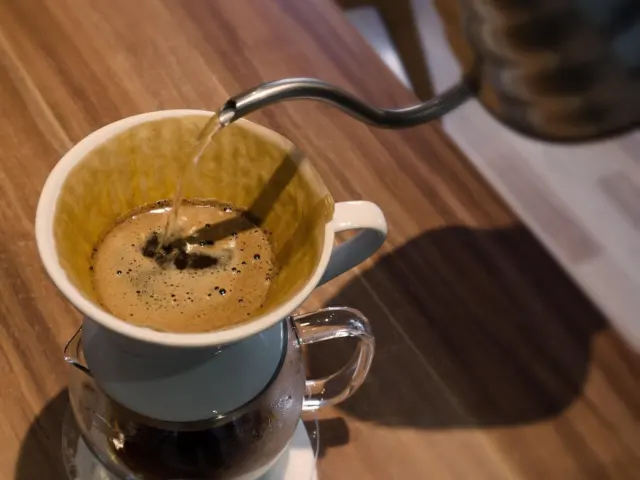
The two methods differ in how water meets the coffee and what the filter removes. A French press steeps the grounds in the water, while pour-over sends water slowly through them. According to ESPRO’s comparison, the French press is a full-immersion method that is user-friendly. Pour-over is a manual drip style that relies on a paper filter and a slow pour of hot water over the grounds.
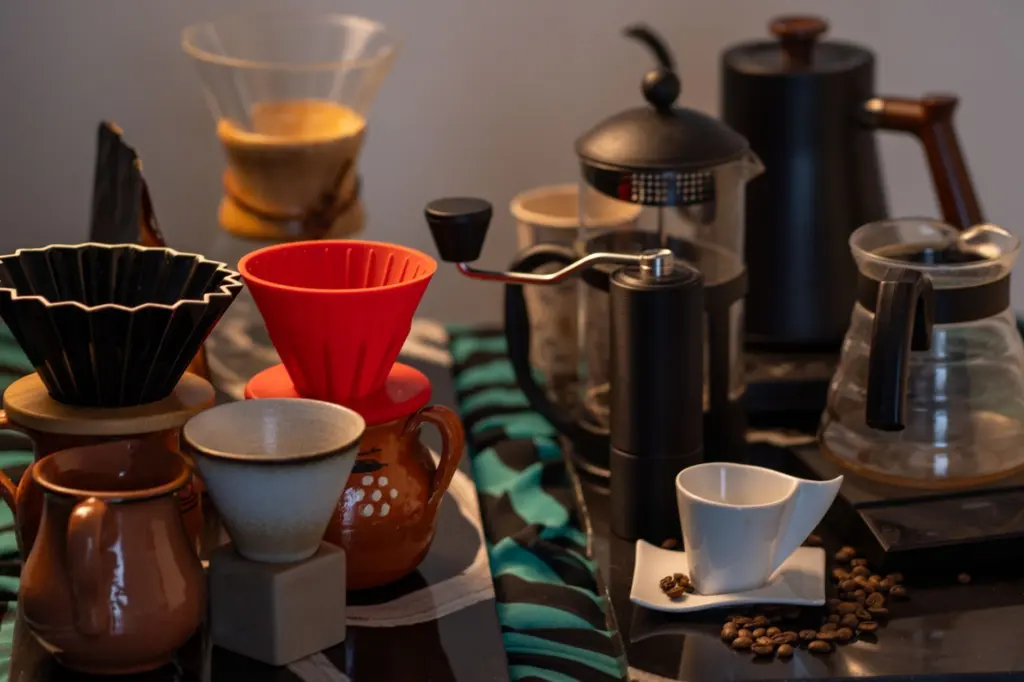
| Factor | French press | Pour-over | Planning use |
|---|---|---|---|
| Brewing style | Full immersion | Manual drip, slow pour | Pick the press if you prefer to add water and wait. Pick pour-over if you enjoy pouring by hand. |
| Filter | Metal filter keeps coffee oils in the cup | Paper filter absorbs oils | The filter has the biggest effect on texture, so decide what you want in the mouth first. |
| Cup character | Full-bodied, syrupy mouthfeel | Little aftertaste on the palate | Choose body for a rich morning mug, or clarity if you want to taste the bean. |
| Grind | Coarse | Medium for a filter cone | One grinder setting rarely suits both, so set it to the method. |
The brewing styles, filter and cup character come from ESPRO, and the grind sizes come from Equal Exchange’s brewing basics.
Common misunderstandings about the two methods
Most arguments over these brewers come from treating a difference in texture as a difference in quality. Four assumptions cause the most wrong turns.
- “A bolder cup means a better cup.” A French press does give a more intense flavor, because more of the ground coffee’s oils become part of the cup, as Sky Mountain Coffee explains. That suits anyone who favors robust, bold and rich coffee. It does not make the lighter cup a lesser one.
- “Pour-over is just weak coffee.” Pour-over is less intense because there is no immersion, which is a trade-off rather than a fault. The paper filter that absorbs the oils is also what leaves the cup clean, with little aftertaste. If you want that tidy finish, lighter is the point.
- “The French press is effortless.” It is the more forgiving method to brew, but it has two costs. Some drinkers find grit in the cup, because the screen lets some fine grounds through. Cleanup can also take longer, since you dismantle the press and wash the pieces separately.
- “Pour-over is always more fiddly.” It asks for a slow, deliberate pour and a bloom step, so it does need more attention than adding water and waiting. In return, you will not meet any grit.
Neither method is simply easier. The press is easier to brew, and pour-over is easier to drink if grit bothers you. Match the method to the part of the routine you mind least.
Ratios, grind and timing for each method
Both brewers sit in similar ratio territory, and the grind carries most of the difference. Per Nowhere Coffee Club, a common French press ratio is about 1:15 to 1:17, and pour-over typically uses about 1:15 to 1:18. Those figures are one part coffee to that many parts water. As an example, 28 g of coffee goes with about 450 to 510 mL of water in a press. Treat these as starting ranges, because they vary with personal taste.
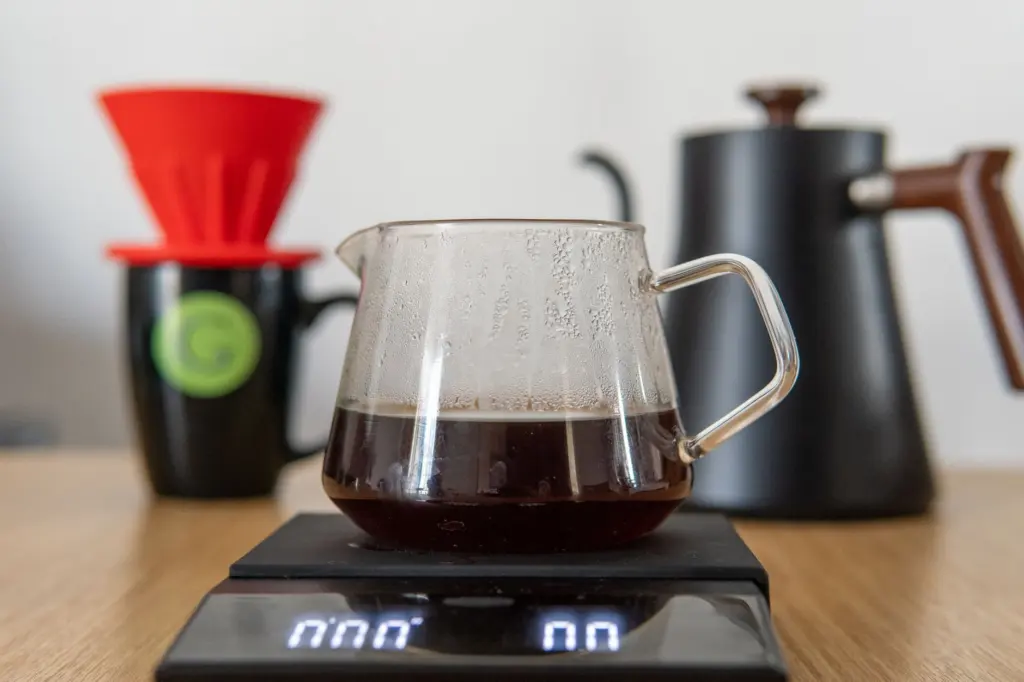
If you prefer measuring spoons to a scale, Equal Exchange gives 2 Tbsp of coffee per 6 oz of water for the French press, within a general standard of 1-2 Tbsp per 6 oz. Its guide pairs a coarse grind with the French press and a medium grind with the filter cone.
Timing differs more sharply. The French press steeps for a few minutes. Pour-over is quicker but depends on your pouring, so grind size matters more there. For help getting that texture right, see Pour-Over Coffee Grind: How To Dial In The Perfect Texture For Cleaner, Balanced Cups (2026 Guide) – Greatnorthernbrewing.
A French press recipe to start with
A French press needs a coarse to medium-coarse grind and a steep long enough to extract without turning bitter. A sample recipe from Prima Coffee uses 17 g of coffee, 255 g of water and a medium-coarse grind. Its water temperature is 210F.
- Bloom. Wet the grounds with 55 g of water first.
- Add water and stir. Pour another 200 g, stir, and set the plunger on top.
- Steep. The sample recipe waits about 6 minutes, until the timer reads 6:30, then plunges all the way down. ESPRO’s shorter version steeps for 4 minutes after adding hot water, and Equal Exchange gives 3-5 minutes. Start at the shorter end if you find the cup heavy.
- Check the plunge. It should neither flow down too fast nor present too much resistance. If it does either, adjust your grind.
- Pour it all out. Equal Exchange warns that coffee left in the press keeps brewing and becomes bitter, so transfer it once it is pushed down.
A pour-over recipe to start with
Pour-over rewards a steady hand and a scale, because the cup depends on how evenly the water passes through the bed. Use a medium grind for a filter cone and a ratio within the 1:15 to 1:18 range.
- Bloom. Start with 50-60 g of water, then wait 30 seconds before adding more, as Sky Mountain Coffee advises.
- Pour slowly. Add the rest of the hot water in a slow pour over the grounds. ESPRO describes the method as slowly pouring hot water over the grounds through a paper filter.
- Taste and adjust. If the cup is too thin, move toward the stronger end of the ratio before changing anything else.
If you also want a chilled cup, Cold Brew Coffee At Home: A Simple, Foolproof Recipe For Smooth, Low-Acidity Coffee In 2026 – Greatnorthernbrewing offers another method to compare.
Which one suits you
Decide by what you want to taste and how much attention you will give the morning cup.
- Choose the French press if you like body, richness and a syrupy mouthfeel, and want a brew you can start and leave. Accept some possible grit and a slower cleanup.
- Choose pour-over if you prefer a clean cup with little aftertaste and do not mind pouring by hand. Accept a lighter cup than immersion gives.
- Buy both if your household disagrees. The press makes the bold cup and the dripper makes the clean one, and a grinder that can switch between coarse and medium covers both.
If you are unsure, brew the same beans both ways and keep the ratio in the ranges above. The difference in body and finish will show you which cup you reach for.
Frequently asked questions
| Question | Answer |
|---|---|
| How hot should the water be for a French press? | The sample recipe from Prima Coffee uses 210F. Equal Exchange suggests letting boiled water sit 2 minutes before pouring it over the grounds. |
| Can I change the ratio to suit my taste? | Yes. The ratios quoted by Nowhere Coffee Club can vary based on personal taste, so treat them as starting points and move within the range. |
| Which method avoids grit in the cup? | Pour-over. Its paper filter means you will not encounter grit, while a French press screen can let some fine grounds through. |
| Why does French press coffee turn bitter if I leave it? | Coffee left in the press keeps brewing, which makes it bitter. Pour it into a mug or carafe once it has been plunged. |