Wondering how decaf coffee is made, and whether it is truly caffeine-free? Caffeine is removed from green, unroasted beans before roasting, using solvents, liquid CO₂ or water with filters, and a small amount of caffeine usually stays behind.
The sections below take the common misunderstandings one at a time. Once the beans are chosen, the guide on how to brew coffee at home covers the cup itself.
Decaf starts with green beans, not brewed coffee
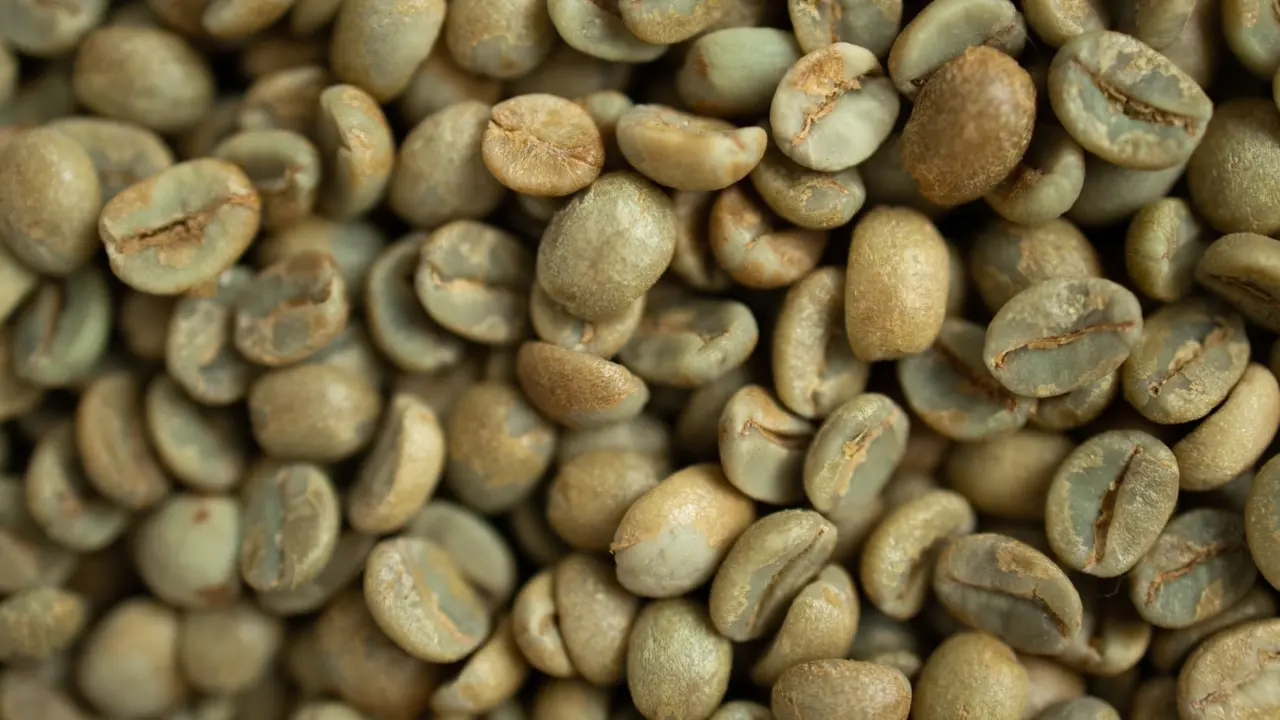
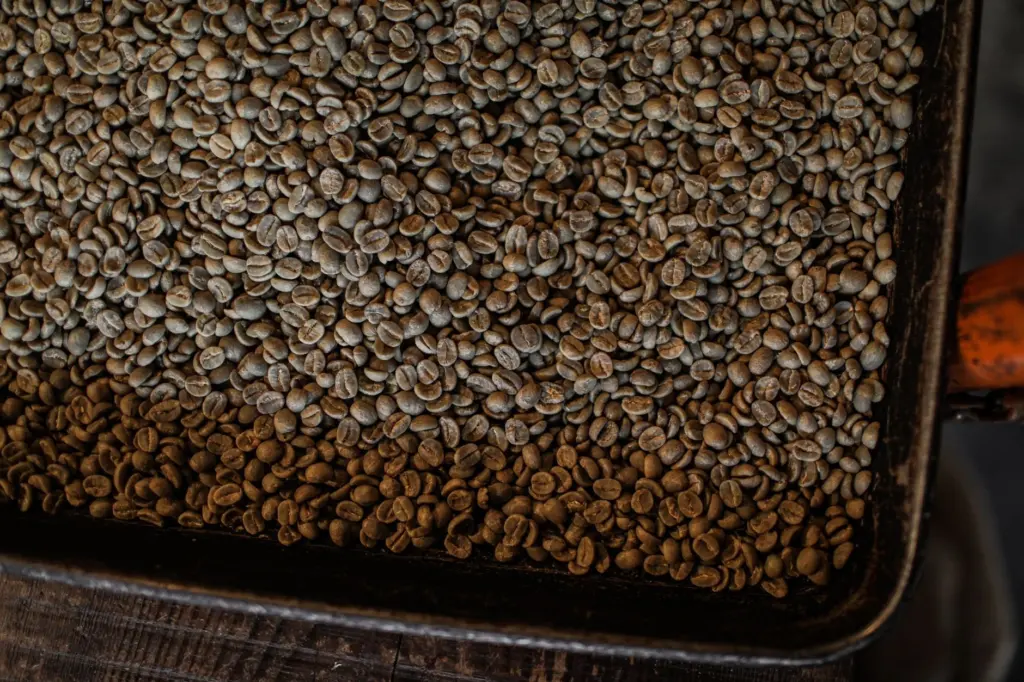
Decaf is made by stripping green, unroasted coffee beans of their caffeine, as the University of Queensland’s School of Public Health explains. The caffeine is gone before any roasting happens. Green beans suit the job because they are more porous and better able to absorb water, according to a specialty roaster’s guide to decaf. Every route relies on caffeine dissolving in water, and the Queensland explainer groups the industry’s approaches into three main methods: chemical solvents, liquid CO₂, or water with special filters.
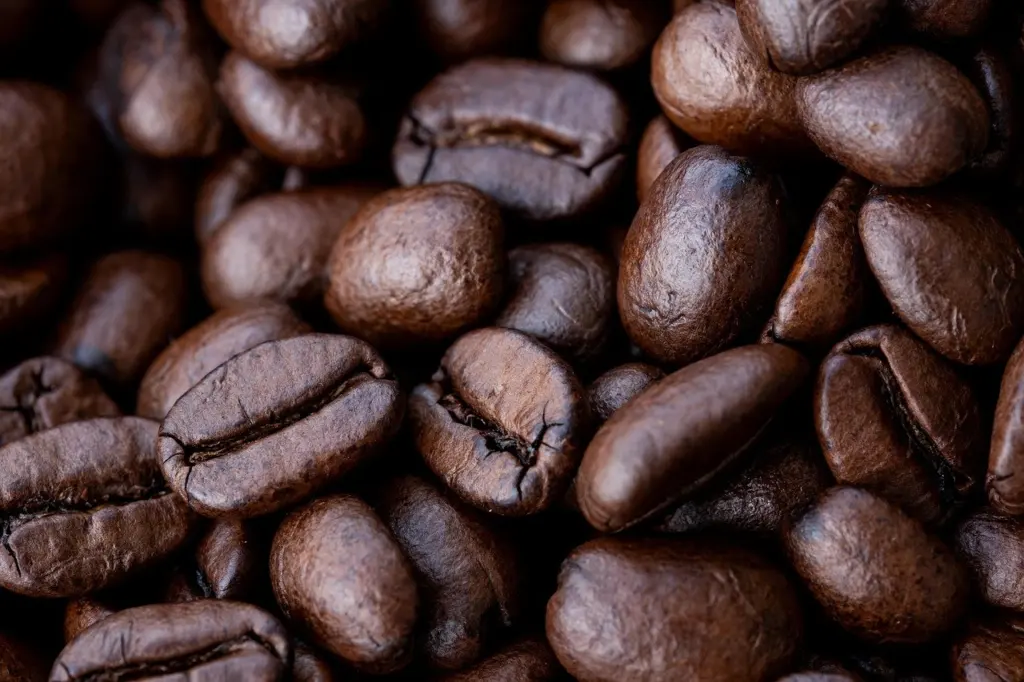
That order explains why decaf is a choice you make when buying beans. It is not something done to a brewed cup.
The table contrasts the three approaches on how they work, what they leave behind and what that means when you shop.
| Method | How caffeine leaves the bean | Caffeine removed | Planning use |
|---|---|---|---|
| Solvent-based (methylene chloride or ethyl acetate) | Beans are steamed, repeatedly soaked in the solvent, then steamed again | Around 99% | Check the label for which solvent was used |
| Water process (including the Swiss Water Process) | Green coffee extract passes through activated charcoal that traps caffeine, and the caffeine-free extract soaks fresh beans | About 99.9% in one water-process description | Suits drinkers who want to avoid chemical solvents |
| Liquid CO₂ | Liquid carbon dioxide is pumped into a high-pressure chamber with the beans and binds to the caffeine | Within the general range of 97% to 99.9% caffeine-free for decaf | Equipment is very expensive, so production costs are higher than for solvent decaf |
Method descriptions come from the University of Queensland explainer, and the removal percentages from a specialty roaster’s guide.
What “natural” decaf does and does not mean
A natural-sounding label tells you where a compound comes from. It does not tell you whether a solvent was used. The three methods below show the difference.
Swiss Water Process
The Swiss Water Process replaces chemical solvents with water and filters. Green coffee extract is passed through activated charcoal filters, which trap the caffeine molecules, and the caffeine-free extract can then soak a new batch of green beans, as the Queensland explainer describes. Choose this route if avoiding solvents matters more to you than anything else.
Supercritical CO2
The supercritical CO2 route is the one that needs the heaviest equipment. Liquid carbon dioxide is pumped into a high-pressure chamber with the beans, where it binds to the caffeine. One roaster describes beans infused with liquid CO₂ at 1,000 pounds per square inch (psi) and calls the equipment very expensive specialty machinery, in its guide to decaf methods. The Queensland explainer lists liquid CO₂ as a separate category from chemical solvents.
Solvent methods and ethyl acetate
In the direct solvent method, beans are steamed, repeatedly soaked in methylene chloride or ethyl acetate, and steamed again, per the Queensland explainer. Ethyl acetate is the one marketed as natural. A coffee supplier’s decaf guide calls it a natural process, and another roaster notes the compound comes from sugarcane. The first roaster’s guide adds the caveat: ethyl acetate is naturally derived, yet it is still a chemical solvent. If “solvent-free” is your goal, treat “natural” as a prompt to read further, not as the answer.
Is decaf safe? Where the concern sits
The safety question centres on one solvent, not on decaf as a category. The Queensland explainer notes that methylene chloride is suggested to be mildly carcinogenic in high doses. The wording concerns high doses, and it applies only to methylene chloride-based decaf.
The practical choice follows from that. If you want to sidestep methylene chloride, pick a decaf made with water and filters or with liquid CO₂, or one that names ethyl acetate. Bags that state the method let you decide; if a bag does not, ask the roaster.
Decaf still contains some caffeine
Yes, decaf contains caffeine. The Queensland explainer says it is unlikely that 100% of the caffeine will be stripped. How much remains depends on the method and the producer:
- General range. Decaf beans are generally between 97% and 99.9% caffeine-free depending on method, according to a specialty roaster.
- A stated floor. One roaster guarantees its decaffeinated coffees to be 97% caffeine-free, as it says in its decaf explainer. That is a company’s promise, not a legal limit.
- A water-process figure. A mountain water process is described as leaving just 0.1% caffeine in the supplier’s guide.
These percentages describe how much caffeine is taken out of the beans. Anyone who has to avoid caffeine entirely should not treat decaf as zero. For everyone else, a roaster that states its figure and its method is giving you the most useful information on the bag.
Why decaf tastes different
Decaf is often assumed to taste flat, and part of that is real. Some aromatic elements may be co-extracted with the caffeine during the process, according to the Queensland explainer. Caffeine also contributes to the bitterness of coffee, so removing it takes some bitterness out of the cup. Expect decaf to be somewhat milder and less aromatic than its regular counterpart, not simply weaker.
The gap is not fixed. The coffee supplier’s guide says that developments in extraction processes mean a noticeable taste difference is not always the case. A poor decaf you once tasted does not predict every bag.
Choosing and brewing decaf
Buying decaf well comes down to a few habits, and brewing it is much like brewing regular coffee.
- Read the method line. Look for water process, CO₂, ethyl acetate or a named solvent, so the bag tells you what your coffee went through.
- Try more than one roaster. Because extraction processes have changed, one disappointing decaf says little about the next.
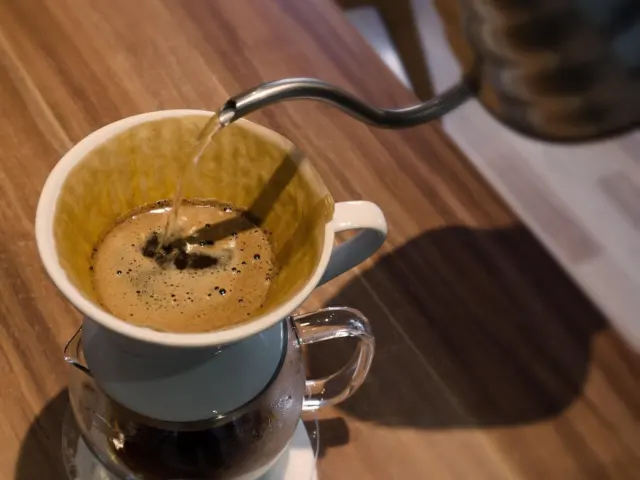
- Carry your technique over. The pour-over step in How To Bloom Coffee: Master The Essential Pour-Over Step For Richer Flavor – Greatnorthernbrewing applies to decaf beans too.
- Use it for evening drinks. If you want a blended coffee drink late in the day, the Coffee Smoothie Recipe: Energizing Morning Blend (Easy 10‑Minute Recipe) – Greatnorthernbrewing shows the format, and decaf beans or decaf brew can go in.
Frequently asked questions
| Question | Answer |
|---|---|
| Which decaf method is the most common? | Solvent-based methods. The University of Queensland explainer says most decaf is made this way because it is the cheapest process. |
| Can the water-process extract be reused? | Yes. The caffeine-free extract can soak a new batch of green beans. One roaster’s guide describes a solution being used for up to 10 batches, wasting one batch of beans for every 10 batches of decaf. |
| Would several cups of decaf add up to one regular coffee? | Not easily. The Queensland explainer says you would need to drink more than ten cups of decaf to reach the caffeine level of one regular cup. |