| Bloom decision | Supported value | Planning use |
|---|---|---|
| Water for the bloom | Roughly twice the coffee weight; 2.5 to 3 g water per g coffee wets the bed more easily; never above 3 g/g | Work between those two figures and treat 3 g/g as a ceiling, not a target. |
| Wait before the main pour | 30 to 45 seconds | Time the pause instead of guessing by eye. |
| Coffee that barely blooms | At least 25 seconds for the grounds to absorb the water | Do not shorten the pause just because little happens. |
| Little or no bubbling | May indicate old or stale coffee | Check how old the coffee is before changing technique. |
These figures come from the Fellow Products guide to coffee bloom and the Etkin Coffee bloom guide.
How to bloom coffee comes down to one short pause: wet the grounds with about twice their weight in water, wait 30 to 45 seconds, then continue with the main pour. Fresher coffee shows the bubbling more clearly.
Blooming is one stage of how to brew coffee at home, and the pour-over and French press versions differ in small but practical ways.
What a good bloom changes in the cup
A proper bloom lets carbon dioxide leave the grounds before the main brew starts. Etkin Coffee explains that gas left in the coffee can interfere with extraction and degrade into carbonic acid, which does not taste good. Blooming allows some of that gas to escape first, so the water that follows has a better chance of reaching the coffee.
The practical effects show up in two places:
- Sourness. Fellow staff, quoted by Savorista, say blooming helps negate a slightly sour taste from the CO2. If a cup tastes faintly sharp, a skipped or rushed bloom is the first thing to look at.
- Extraction. The same source describes escaping CO2 pushing water away from the grounds, which limits how much flavor the water can pick up. Giving the gas a head start means the main pour meets grounds that are already wet.
The benefit is largest when the coffee has plenty of gas to lose, which depends on how recently it was roasted.
Freshness and what the bubbles tell you
Roasted beans release carbon dioxide gradually. According to Fellow, beans degas over about 14 days, with most of the gas leaving in the first 10 days. A big, bubbling bloom therefore points to recently roasted coffee, and a flat one points the other way.
- Active, domed bloom. The coffee is fresh and the pause is doing real work. Keep the wait at the full length rather than the short end.
- Weak bloom. Fellow notes that little or no bloom can mean old or stale coffee. Check the roast age before blaming the water or the pour.
- No visible bloom. Still wet the grounds and wait. The pause is also how the coffee soaks up water, so it is not only a gas-release step.
Bloom water and timing
Roasted, ground coffee can absorb approximately twice its mass in water, as Etkin Coffee notes, which is why bloom water is measured against the coffee weight rather than poured freehand. Its author finds that 2.5 to 3 g of water per gram of coffee makes the bed easier to wet evenly, and advises not exceeding 3 g/g. Savorista frames the same idea as just enough water to soak the coffee, about twice its weight. Choose the lower figure if the grounds are saturating without pooling, and move toward the ceiling only if dry grounds remain.
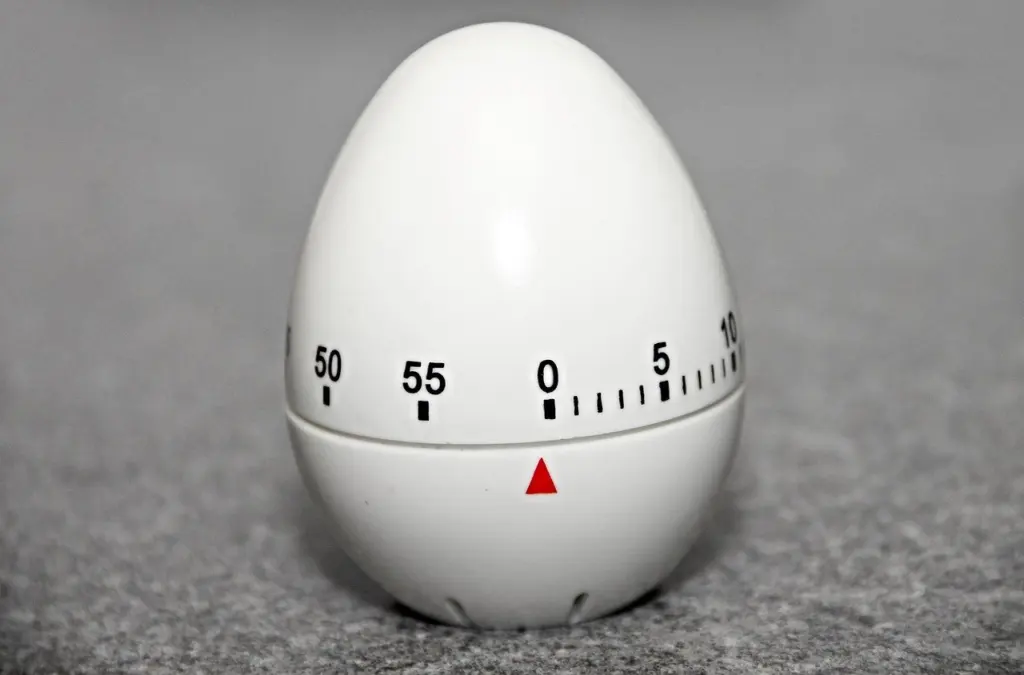
For timing, Fellow’s pour-over guidance is to pause for 30 to 45 seconds, and Virgin Coffee gives the same duration alongside 2-3x coffee weight in water. A dial timer is enough; start it when the bloom pour stops so the wait is the same on every brew.
Water temperature for the bloom
For pour-over, Methodical Coffee recommends heating water to 195 to 205 degrees Fahrenheit, which is about 90.6 to 96.1 °C. Virgin Coffee gives a similar typical range of 90 to 96 °C. The range is wide, so choose one point inside it and keep it fixed; that way any change in the cup can be traced to the bloom ratio or the wait rather than the kettle.
Technique by brew method
Pour-over
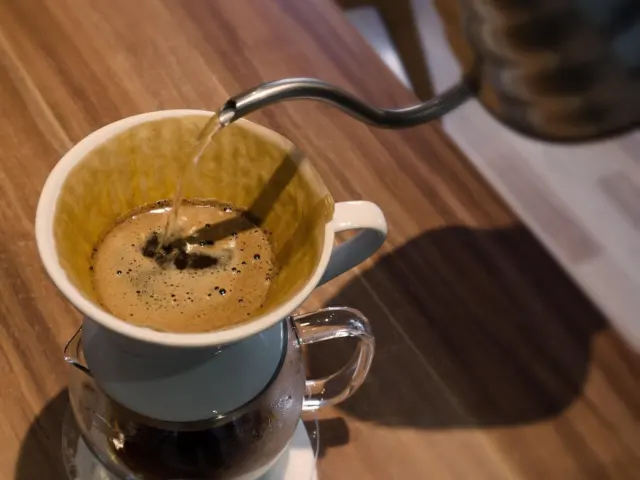
The pour-over bloom is the one most people mean when they ask how to bloom coffee, and it rewards a controlled, even pour.
- Weigh the bloom water to roughly 2-3x the coffee weight, staying under the 3 g/g ceiling.
- Pour in a spiral from the center outward. Etkin Coffee describes a brisk pour of about 9 to 10 ml per second so the whole bed is wetted quickly.
- Wait out the bloom for the 30 to 45 seconds that Fellow recommends, then continue with the main pour.
- Check for dry pockets when you are learning the technique. Etkin suggests removing the filter after the bloom and combing through the grounds for dry spots.
Bed depth also varies with the dripper. Flat-bottom brewers hold a shallower bed than conical drippers, so the same dose will look different in each, and the dry-spot check is a more reliable guide than appearance.
French press
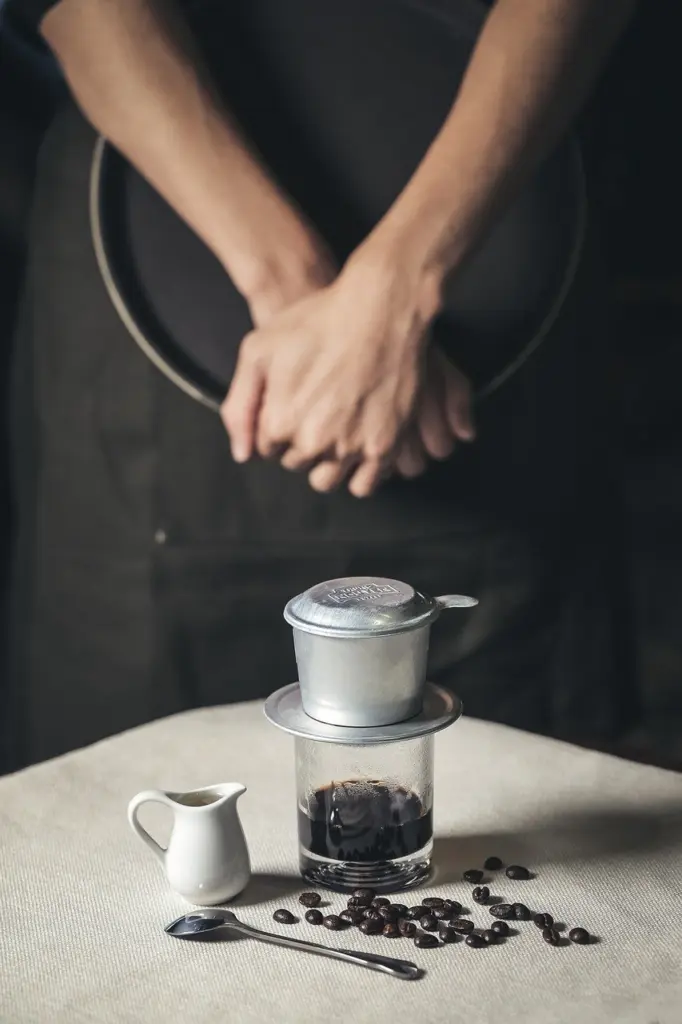
The French press needs less precision. Fellow’s method is to pour just enough water to fully wet the grounds, wait 30 to 45 seconds, then fill the carafe. Spiral pouring and a tight ratio matter less here because the goal is simply complete wetting before the rest of the water goes in.
The mechanism behind the bubbles
A coffee bloom is the visible bubbling and expansion of freshly ground coffee when hot water reaches it, as Fellow defines it. The bubbles are carbon dioxide that was trapped in the beans during roasting and leaves once hot water wets the grounds. Blooming is the deliberate pause that lets this gas escape before the brew proper.
The pause matters because of what the gas does if it stays. Escaping CO2 pushes water away from the grounds, which prevents the water from extracting flavor from those areas. Hot water starts the release, and a measured bloom pour keeps the gas from competing with the main pour. The water you add also does a second job: because ground coffee absorbs about twice its mass in water, the bloom pour is largely taken up by the grounds, leaving them saturated and ready for the rest of the brew.
Related brewing reading
For how beans are processed before they reach your grinder, see How Decaf Coffee Is Made: From Bean To Cup — Methods, Safety, And Flavor Tips (2026) – Greatnorthernbrewing. When there is no time to brew at all, Instant Espresso Vs Instant Coffee: The Quick Guide To Taste, Strength, And Convenience In 2026 – Greatnorthernbrewing compares the two quick options.
Frequently asked questions
How do I know the bloom is finished?
Watch the grounds expand and then stop. For fresh roasted coffee, Etkin Coffee says this takes around 30 to 40 seconds.
Should the bloom water be a different temperature from the main brew?
No. Virgin Coffee says bloom water is the same temperature as the main brew, typically 90 to 96 °C.
Which coffee blooms the most?
Coffee roasted within 3 to 21 days shows the strongest bloom, according to Methodical Coffee. Older coffee gives a weaker show.