Light roast vs dark roast comes down to roasting time and heat: light roasts stop sooner and keep fruity, bright flavors, while dark roasts roast longer and hotter for bolder, chocolatey cups. Caffeine barely differs, so choose by taste and brew method.
For the wider setup of grinders, ratios and equipment, start with our guide on how to brew coffee at home, then use this page to match a roast level to the way you brew.
How roasting separates light from dark
Roast level is the result of how long and how hot green coffee is heated. According to the roaster explanation, light roast is typically roasted for a shorter time at a lower temperature, while dark roasts hit the heat harder. The National Coffee Association, quoted in a brewing-equipment guide, describes roasting as the step that brings out the aroma and flavor locked inside green beans.
Roast names are not tightly standardized, so a label like “medium-dark” can mean different things from one roaster to the next. A Breville guide lists light roasts at around 356-401 F, stopping at the first crack, medium roasts at 410-428 F, medium-dark at 437-446 F, and dark roasts at 464-482 F. Another roaster guide puts dark roasts at 430 to 450 degrees Fahrenheit. Treat these as typical ranges that vary by roaster, not as a rule printed on the bag.
Reading roast level by eye
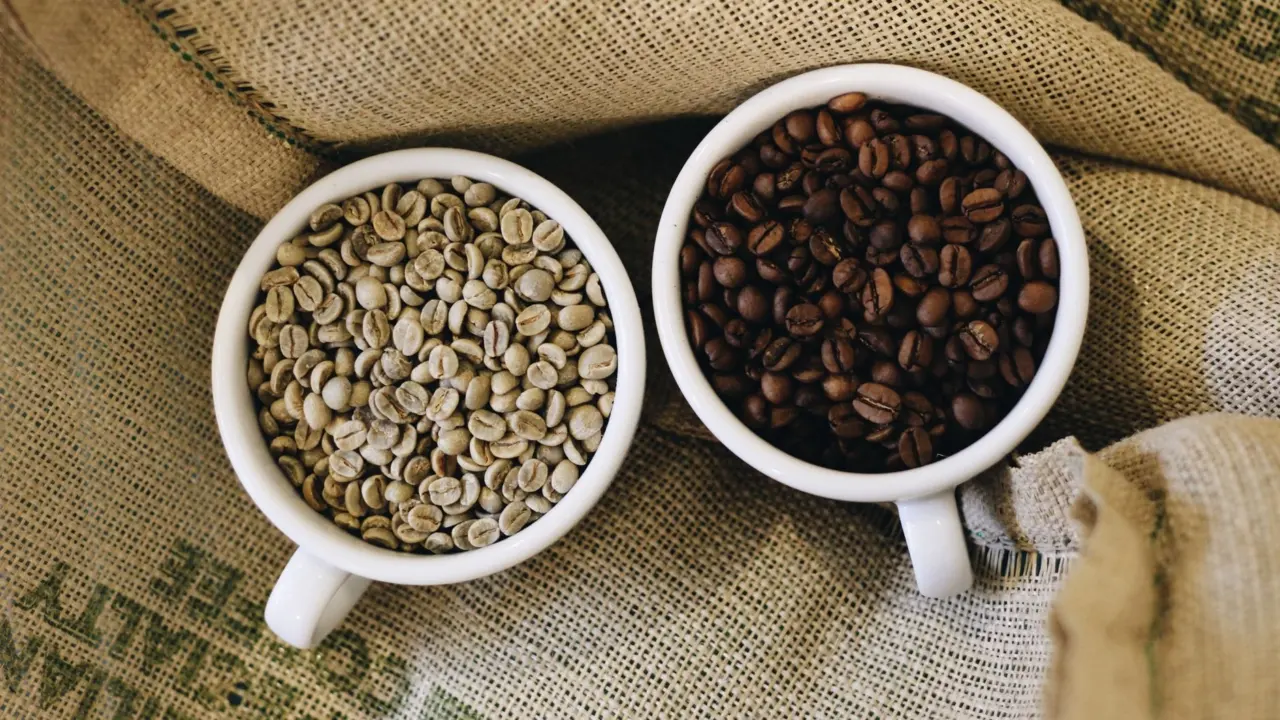
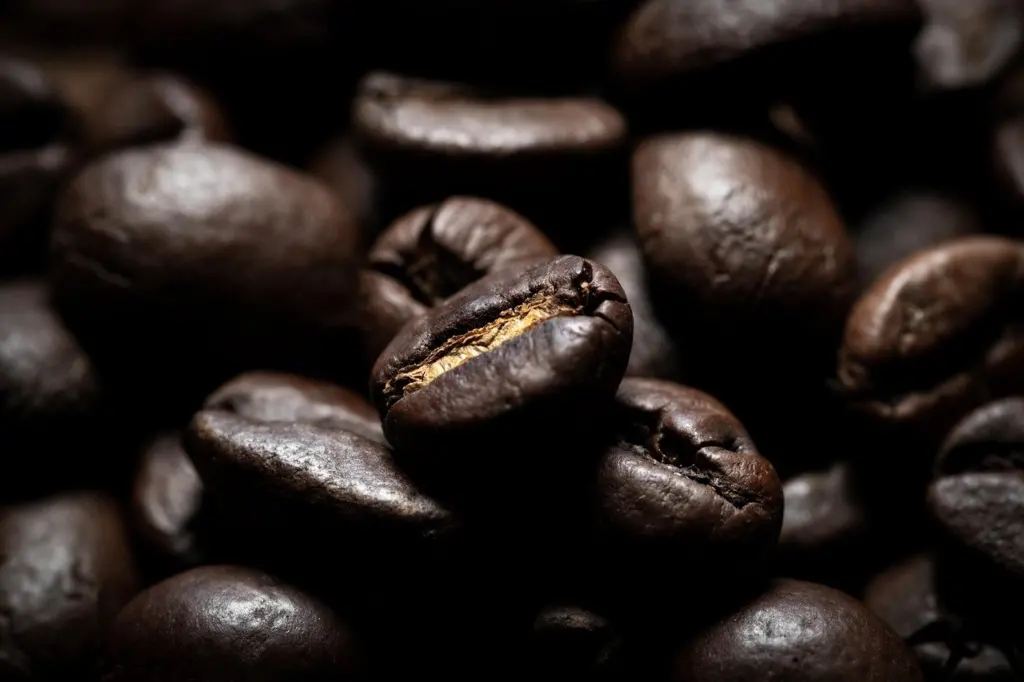
Color is the quickest cue. A simplified roast guide compares light roast to the color of cinnamon, medium roast to milk chocolate, and dark roast to a nearly brown-black. Light roast beans look matte and less oily, while dark roast beans often show a clear, shiny oil on the surface after the extended high-temperature roast.
Light and dark roast at a glance
| Trait | Light roast | Dark roast | Planning use |
|---|---|---|---|
| Typical roast temperature | Around 356-401°F, stopping at first crack | Usually 464-482°F | Ranges differ by roaster, so judge by color and taste rather than the label alone. |
| Flavor notes | Fruity or floral, more complex, retains more of the crop’s original flavor | Chocolatey, caramel, bittersweet | Pick light for origin character, dark for a roast-driven, comforting cup. |
| Acidity | More acidic, brighter and tangier | Least acidity of the roast levels | Choose dark if tangy coffee puts you off. |
| Caffeine | Usually higher, but the gap is small | Usually the least | Do not pick a roast for caffeine alone. |
Figures and descriptions come from this roast comparison and this roaster explainer.
Flavor and acidity in the cup
Light roast keeps the bean’s origin on show. It often tastes delicately fruity and floral, and some coffees add cereal, toasted nuts, honey or bread, as the simplified roast guide notes. Light roasts are also described as having more complexity of flavor and showing terroir. That makes them the better choice when you buy single-origin coffee and want to taste where it came from.
Dark roast moves the cup toward the roaster. Its sugars are heavily caramelized, sometimes slightly charred, which gives a bittersweet or chocolatey sweetness. Dark beans taste as much like the roasting process as they do like the bean itself, so origin differences fade. Acidity follows the same slope: light roasts are more acidic and tangier, and dark roasts have the least acidity of the roast levels in the comparison guide. If bright coffee tastes sharp to you, step toward darker; if dark coffee tastes flat or heavy, step lighter.
Caffeine: a smaller gap than expected
Caffeine is the most over-weighted factor in roast choice. One guide says light roasts usually have higher caffeine content and dark roasts the least, while the roaster explainer says caffeine is stable through roasting no matter the shade, with bean type and amount doing the work. The simplified guide reconciles the two: studies show lighter-roasted coffee does contain more caffeine, but the difference is pretty minimal, and darker roasts are more soluble, so their caffeine extracts more easily.
The practical reading is that roast level will not meaningfully change how awake you feel. Scooping more coffee per cup changes caffeine more than switching roasts does, so choose on flavor and then control strength with your dose. Our French Press Coffee To Water Ratio: Exact Measurements For Rich, Balanced Coffee Every Time (2026 Guide) – Greatnorthernbrewing sets out measurements you can use with either roast.
Brewing light roast
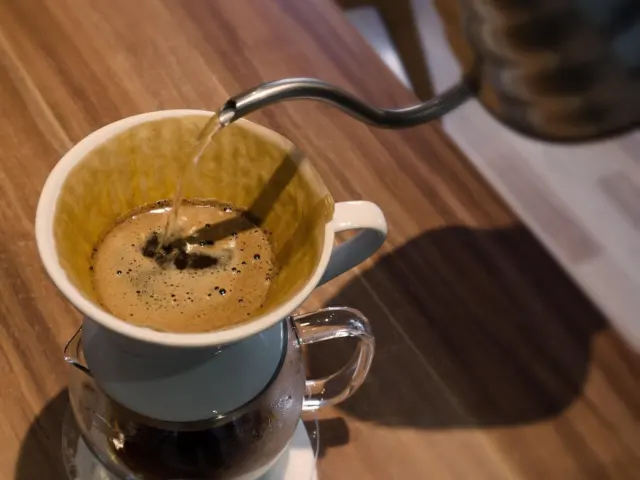
Pour-over is the method most often recommended for light roast. A roaster guide names brewing methods like pour-over as ideal for enhancing light roast’s delicate flavors. A paper-filtered pour-over suits the fruity, floral profile because it lets those notes come through rather than burying them.
Light roast is also the weaker choice for milk, since its delicate character can taste weak once diluted. If you drink coffee black and enjoy tasting differences between beans, light roast with a pour-over is the combination that rewards the effort. If you would rather serve coffee chilled, Iced Coffee Vs. Cold Brew: How To Pick The Right Chilled Coffee In 2026 – Greatnorthernbrewing compares the two chilled formats.
Brewing dark roast without bitterness
Dark roast is naturally bolder and more bitter, so the aim is to avoid adding extra harshness rather than to remove bitterness completely. The simplified guide says darker-roasted coffees are more soluble than lighter ones, meaning they give up their dissolved compounds readily. That is why an approach built for light roast can over-extract a dark one.
- Grind coarser. A coarser grind slows extraction, which counters the extra solubility of dark beans.
- Shorten contact time. Immersion methods such as a French press leave grounds in water, so pulling the plunger earlier limits how much dissolves.
- Measure your dose. A consistent coffee-to-water ratio, like those in the French press guide linked above, keeps you from mistaking a heavy dose for a roast problem.
- Adjust one variable at a time. If the cup is still harsh, change grind first, then time, and taste after each change.
Do not use the oil on the beans as a freshness or quality cue. Surface oil is not indicative of quality and can dull flavor, according to the comparison guide, so judge the coffee by taste.
Choosing a roast for lattes and daily drinking
For lattes, choose dark roast. The roaster guide calls dark roast ideal for espresso-based drinks because milk complements its bold flavor. Medium and dark roasts also tend to keep their taste better when milk and sugar are added, while light roast may taste weak.
- Choose light roast if you drink coffee black, enjoy fruity or floral notes and brew by pour-over.
- Choose medium roast if you want a compromise: it sits between the two on roast temperature and still holds up with milk and sugar.
- Choose dark roast if you make lattes or other milk drinks, prefer chocolatey, caramel notes, or dislike tangy acidity.
If you are unsure, buy a small bag at each end and brew both the same way. The difference you notice will tell you more than any label.
Frequently asked questions
Does a shiny, oily bean mean better coffee?
No. Shiny oil mostly signals a dark roast and is not a measure of quality; the surface oil can even dull flavor.
Do roast names mean the same thing everywhere?
Not exactly. There is no strict industry standard for roast levels, so one roaster’s medium-dark can look different from another’s. Compare color and tasting notes, not names alone.
Is bitter coffee always a dark roast problem?
No. Bitterness can also appear in light roasts because of organic acids in the beans, so a bitter cup does not always mean the roast was too dark.