Standing at a café menu, the difference between iced coffee and cold brew looks like marketing, but it is method: iced coffee is brewed hot and chilled over ice, while cold brew steeps coarse grounds in cold water for many hours.
In practice, choose iced coffee when you want a drink within minutes and cold brew when you can plan ahead and prefer a smooth, low-acid batch. For the wider toolkit behind both, see our guide on how to brew coffee at home.
Hot-brewed versus cold-steeped coffee
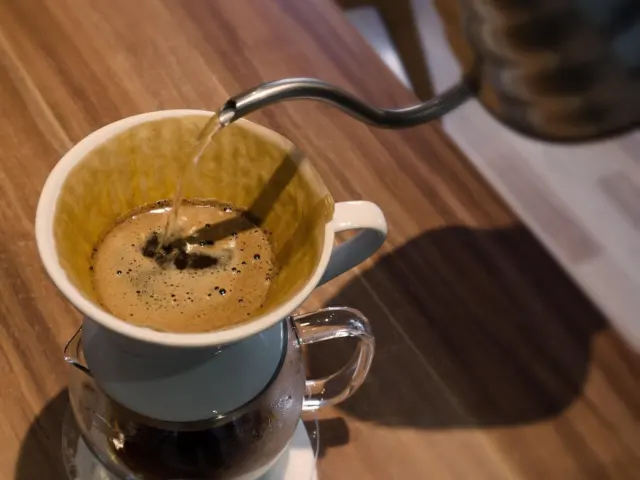
Iced coffee starts as ordinary hot coffee. One roaster’s comparison describes the method as brewing the coffee with hot water first and cooling it afterwards, and a coffee brand’s guide sums it up as regularly brewed coffee poured over ice. Because it needs only a normal brew, making iced coffee takes a matter of minutes.

Cold brew reverses the logic. Coarse grounds sit in cold water for 12–24 hours before the concentrate is strained, according to the same roaster. At coffee shops it commonly arrives black over ice, and it tends to taste sweeter than iced coffee. That long, cool steep, rather than the serving temperature, is what makes it a different drink and not simply cold coffee.
| Feature | Iced coffee | Cold brew | Planning use |
|---|---|---|---|
| Water temperature | Brewed with hot water, then chilled | Steeped in cold water | Decides whether you can make it on the spot |
| Time | A matter of minutes | 12–24 hours before straining | Iced coffee suits same-morning cravings; cold brew needs a start the day before |
| Grind | Depends on the brewer: fine for espresso, medium for V60, AeroPress or filter methods | Coarse | Match the grind to your equipment before you buy beans |
| Taste | Lighter body, more pronounced acidity | Smooth, low-acid concentrate; tastes sweeter | Pick by whether you like brightness or mellowness |
| Caffeine | Similar to regular hot coffee unless extra grounds or shots are added | Higher per serving, depending on dilution | Compare by what is in the glass, not by the name |
| Keeping | Drink the same day | Up to 14 days refrigerated (up to 2 weeks in another roaster’s recipe) | Batch cold brew; make iced coffee per serving |
The descriptions and figures above come from a roaster’s side-by-side guide and a second roaster’s comparison.
Flavor, acidity and texture
Temperature explains most of the taste gap. Iced coffee has a lighter body and more pronounced acidity, and a coffee brand’s breakdown notes that flash-brewed iced coffee keeps a crisp acidity precisely because it is still brewed with hot water.
Cold brewing, by contrast, does not extract the chemicals that lead to high acidity or bitterness, so the result is a smooth, low-acid concentrate. The coffee brand quoted above makes the same point in simpler terms: cold brew is less acidic and bitter than iced coffee.
- Bright and crisp: iced coffee suits drinkers who like the clarity and acidity of a hot cup, only colder.
- Mellow and sweet: cold brew suits drinkers who find sharp acidity or bitterness unpleasant.
Caffeine per serving
Cold brew generally has more caffeine than iced coffee, and a San Diego café’s comparison attributes the higher concentration to the longer brewing time. The headline comes with a condition, though. Cold brew is typically brewed as a concentrate, so caffeine per serving is higher but depends on dilution, as this roaster’s guide explains.
Iced coffee, meanwhile, has a caffeine level similar to regular hot coffee unless extra grounds or espresso shots are added. That means the sensible comparison is by what ends up in your glass. A lightly diluted cold brew will usually sit above a standard iced coffee, a heavily diluted one narrows the gap, and an iced coffee built on extra shots can close it.
Steep time and grind size
Plan cold brew in hours
Immersion cold brew takes 12+ hours with coarse grounds, according to the brand breakdown mentioned earlier, and a home recipe from a roaster gives 12–24 hours in the refrigerator. Set the jar up in the evening and strain it the next day, and you have a ready supply without any morning effort.
Match the grind to the method
Cold brew wants a coarse grind. Iced coffee has no single grind because it follows whatever brewer you use: fine for espresso, medium for V60, AeroPress or other filter methods, per the roaster’s guide. If you own one grinder setting for filter coffee, use it for iced coffee as normal and adjust only for cold brew.
Home recipes
Cold brew in a jar
Two published starting points exist. The weight-based one is 100 g coffee to 1 L filtered water, a 1:10 ratio, from the roaster’s guide. The volume-based one is 1 cup coarse grounds to 4 cups cold filtered water, from another roaster’s recipe. Use the weight version if you have a scale and the cup version if you do not.
- Grind the coffee coarse.
- Combine the grounds with cold filtered water in a jar and stir so every ground is wet.
- Refrigerate for 12–24 hours.
- Strain out the grounds to leave the concentrate.
- Serve over ice, adjusting with water or milk to the strength you like.
Iced coffee in minutes
Brew coffee using double-strength grounds, let it cool slightly, then pour it over ice, as the second roaster’s recipe suggests. Extra strength matters because melting ice dilutes the drink as it chills. Use the grind that suits your brewer and add milk or sweetener afterwards.
Shelf life and storage
Cold brew keeps far longer than iced coffee. The roaster’s guide says to refrigerate cold brew for up to 14 days, while the second roaster says it stays fresh for up to 2 weeks refrigerated. Treat that as a ceiling, not a target, and make batches sized to what you will actually drink.
Iced coffee has no such window. Drink it the day you make it and do not store it, or it may turn sour. That is why iced coffee works as a single serving and cold brew works as a batch.
Choosing between iced coffee and cold brew
- For a busy morning with no planning: iced coffee, because it needs only a normal brew and some ice.
- For a drink waiting in the fridge: cold brew, made ahead and strained into a bottle.
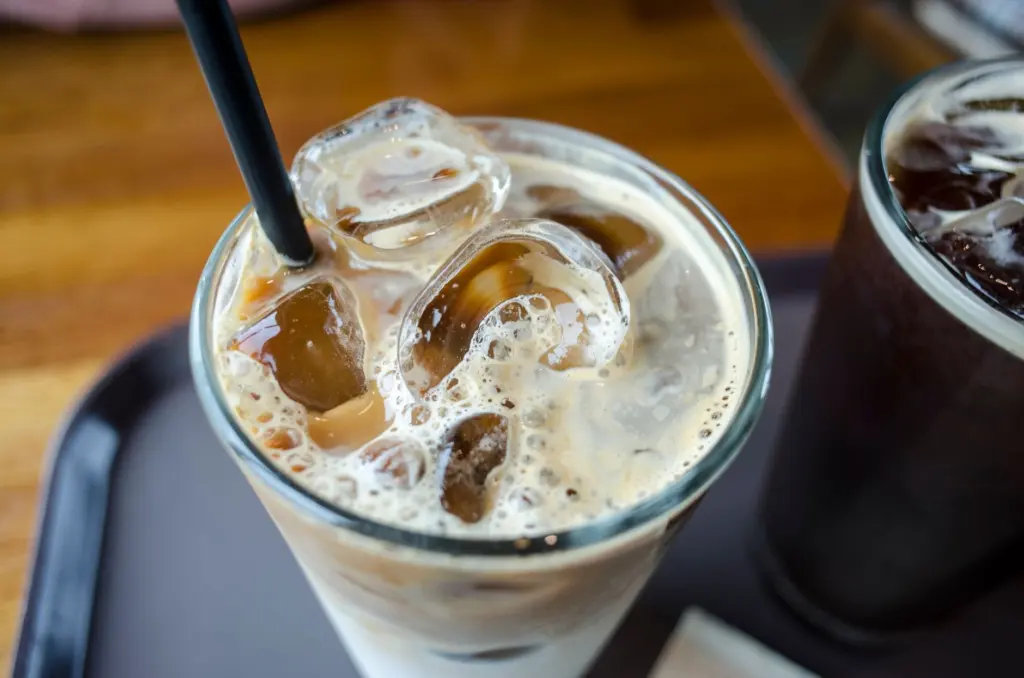
- For a smoother, sweeter cup: cold brew, which usually arrives black over ice when you order it out.
- For a lively, acidic cup: iced coffee, which keeps the character of a hot brew.
- For controlling caffeine: cold brew gives you a dial through dilution, while iced coffee tracks a regular cup unless you add shots or extra grounds.
Bean choice changes both drinks as well. Our guides to Arabica Vs Robusta: Which Coffee Should You Choose in 2026 (Flavor, Farming, Brewing) – Greatnorthernbrewing and Light Roast vs Dark Roast: A Practical Guide To Flavor, Caffeine, And Brewing In 2026 – Greatnorthernbrewing are useful before you pick beans for either method.
Frequently asked questions
| Question | Answer |
|---|---|
| How do I stop iced coffee tasting watery? | Brew stronger to allow for melting ice. A coffee brand’s guide suggests flash brewing, cutting the brewing water volume by 30% so the ice makes up the difference. |
| Is there a faster way to make cold brew? | Yes. Slow-drip cold brew takes 3–6 hours, faster than immersion, because every drop of water that touches the grounds is fresh, according to the same brand. |
| Can I make a single iced coffee without brewing a pot? | Yes. Pour an espresso or other concentrated shot into a cup filled with ice and top it up with cold milk, as one roaster describes. |