Learning how to make an espresso martini at home comes down to three things: freshly made espresso, a vodka and coffee liqueur base, and a hard shake with solid ice. The shake chills the drink and builds the foam.
If your espresso is the weak link, start with how to brew coffee at home and come back here for the cocktail itself.
How an espresso martini works
An espresso martini is built from espresso, vodka and coffee liqueur, with simple syrup as an optional adjustment. Each part has a job. Vodka forms the drink’s base, the liqueur adds coffee flavour and sugar, and the espresso supplies the coffee body that carries the foam.
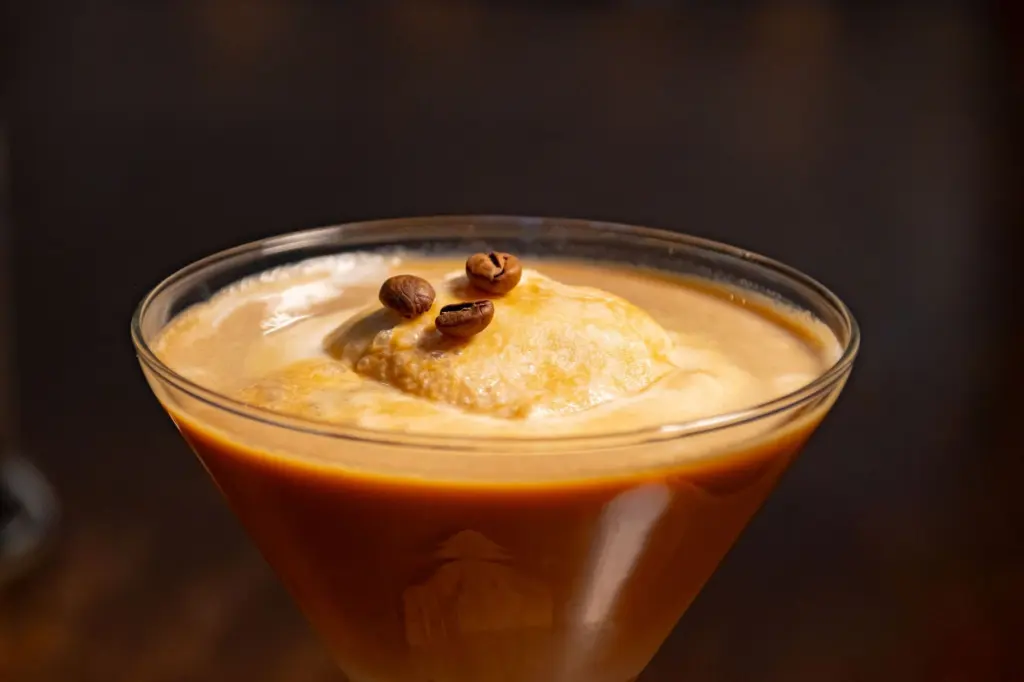
The foam itself comes from technique rather than an ingredient. Shaking introduces the air necessary for aeration, so the cocktail shaker matters as much as anything in the glass. Every recipe compared below calls for fresh espresso, which is the main reason a home machine, moka pot or AeroPress gives you an advantage over a bottled mix: you control the coffee.
Ingredients and equipment
You need only a few bottles and one piece of bar equipment, so the quality of each component shows in the finished drink.
- Vodka: the neutral base that lets the coffee lead.
- Espresso: pull a fresh, balanced double shot rather than reaching for leftover coffee, as Fellow’s recipe does.
- Coffee liqueur: it contributes the sugar that blends with the coffee’s oils, so it also sets how sweet the drink ends up.
- Simple syrup: optional. Treat it as a small adjustment after tasting, not a default.
- Cocktail shaker: choose one with a lid that fixes securely, because you will shake hard.
- Strainers: Menotti’s method uses a Hawthorne strainer together with a fine strainer.
- Ice: use solid ice cubes, which keep the drink from watering down as you shake.
Ratios by volume
Published recipes agree on the structure but differ on how much liqueur and syrup to use. The table compares two of them in ounces.
| Recipe | Spirit | Espresso | Coffee liqueur | Simple syrup | Planning use |
|---|---|---|---|---|---|
| Fellow | 1.5 oz vodka | 1 oz | 0.75 oz | Up to 0.25 oz, to taste | More liqueur, so taste before adding any syrup. |
| Menotti’s | 2 oz base spirit | 1 oz | 0.5 oz | 0.25 oz | More spirit and less liqueur, with sweetness set separately by the syrup. |
Amounts are from Fellow’s recommended starting amounts and Menotti’s home recipe.
Metric recipes land in the same territory. A traditional ratio is 45 ml vodka, 20 ml coffee liqueur and 30 ml fresh espresso, while another recipe combines 50 ml vodka with 50 ml freshly brewed espresso and 25 ml coffee liqueur. The liqueur varies most: the same roaster’s Mr Black version uses 60 ml with 50 ml vodka. If you want a coffee-forward drink, the equal vodka-and-espresso version is the one to try first; if you prefer a spirit-led cocktail, start from the traditional ratio.
Bartending For Dummies, written by R. Foley, founder and editor of BARTENDER Magazine, also carries a recipe for the drink if you want a bartending-guide reference alongside these.
Step-by-step method
Work in this order so the espresso is ready before the ice goes in and the finished drink reaches the glass quickly.
- Cool the espresso slightly. Pull a fresh double shot and transfer it to a small vessel to let it cool a bit. Slightly cooled espresso and solid ice cubes limit watering down, which piping-hot coffee poured over ice does not.
- Fill the shaker. Add the vodka, coffee liqueur, espresso and any syrup, then the solid ice. Do not fill the shaker to the brim, because the mixture needs room to move.
- Shake hard. Fix the lid and shake decisively for 15 to 20 seconds, the range given by both Fellow and Deko. Menotti’s shakes for about 10 seconds, so treat that as the short end of the range.
- Double-strain. Pour through the Hawthorne strainer and a fine strainer together. Double-straining removes ice fragments, which keeps the texture smooth.
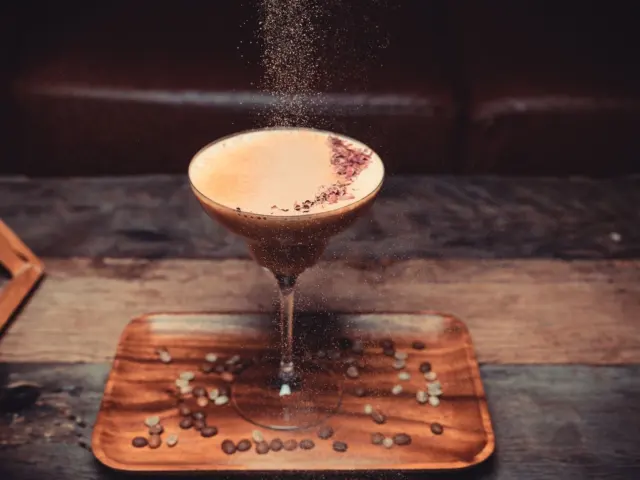
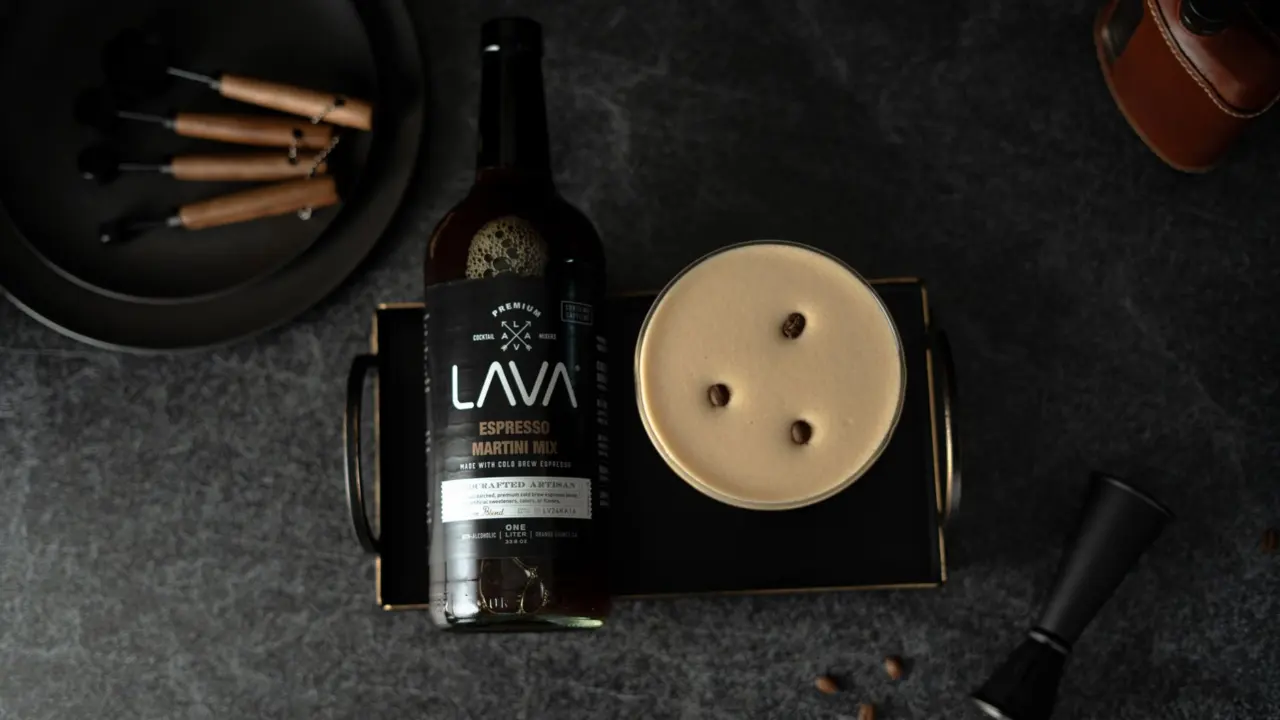
- Garnish and serve. Pour straight away and place three coffee beans grouped in the center of the frothy top.
One point on which recipes differ is espresso temperature. Volcano Coffee Works adds the coffee while hot so its oils blend with the sugar in the liqueur, whereas Fellow cools it first. For your first drink, cool the espresso slightly to protect against dilution, then try the hot version once to compare the texture.
Getting the foam
Foam is trapped air, so everything that helps the shaker aerate the drink helps the head. Fellow explains that shaking introduces the air, and Deko adds that the strong shaking action chills the mixture and incorporates air at the same time.
The coffee matters too. Concentrated brews have a higher percentage of suspended coffee solids to water, giving a more viscous, oily liquid, according to Volcano Coffee Works. That is a good reason to use proper espresso or a strong concentrate rather than ordinary brewed coffee.
If the foam comes out thin, change the technique before changing the recipe. Fellow’s fix is to leave more room in the shaker, agitate harder and pour without delay. Check that the lid is fixed securely too, so you can shake hard without leaks.
Using home espresso, moka pot or cold brew
A home espresso machine gives the most direct route to this drink, and a fresh double shot is the standard in every recipe above. The portafilter and fresh grounds in the photo are the starting point for the coffee-first version.
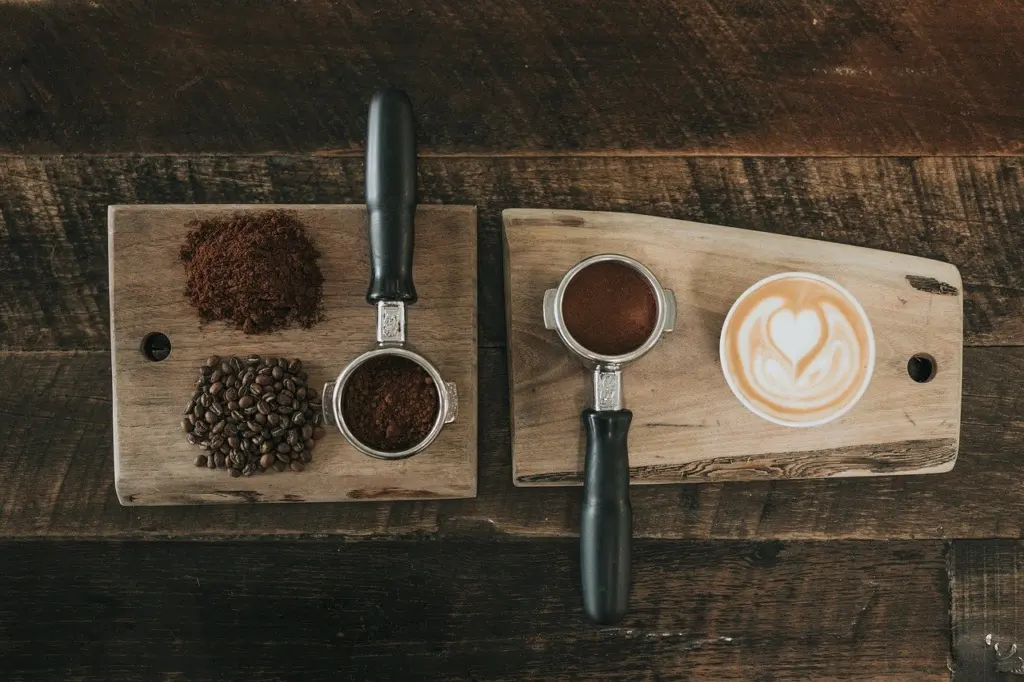
You do not need a machine, though. A stovetop moka pot or a concentrated cold brew can substitute, and one recipe specifies 30 ml of espresso, a coffee pod or strong moka-brewed coffee for the coffee component.
Can you use cold brew? Yes, provided it is a concentrate. Fellow says that cold brew concentrate can serve as a capable stand-in, as can a concentrated AeroPress brew. The concentration is the point, because it supplies the suspended solids that give the drink body. Choose a moka pot or AeroPress if you want hot coffee to cool slightly, and cold brew concentrate if you already keep a batch in the fridge. If you are weighing cold brew against espresso more generally, the guide Cold Brew Calories: How Many Calories Are In Your Cup (2026 Guide) – Greatnorthernbrewing breaks down what is in a cup.
Adjusting sweetness and flavour
Syrup is the last adjustment, not the first. Fellow suggests up to 0.25 oz of simple syrup to taste, and Deko treats a teaspoon as optional, so the liqueur may already provide enough sugar. Make the drink without syrup first, then add a small amount next time if it tastes sharp.
When you do add sweetness, a flavoured syrup can take the place of plain simple syrup in the same small quantity. A homemade option such as the one in Homemade Vanilla Syrup For Coffee: Easy Recipe, Variations, And Barista Tips (2026) – Greatnorthernbrewing keeps the coffee as the lead flavour. Change one element at a time, so you can tell whether the espresso, the liqueur or the syrup is responsible for the result.
Frequently asked questions
Who created the espresso martini?
The drink is attributed to Dick Bradsell, who is said to have made it in the late 1980s at Fred’s Club in Soho, London, according to Volcano Coffee Works.
Can I use something other than vodka?
Yes. Menotti’s uses 2 oz of a base spirit and recommends vodka or tequila.
Which coffee liqueur should I use?
Deko gives Kahlúa as an example, while Menotti’s recommends Mr Black. Mr Black is described as made with half the sugar of traditional liqueurs and with cold-brewed arabica coffee, so it is a good pick if you prefer a less sweet drink.