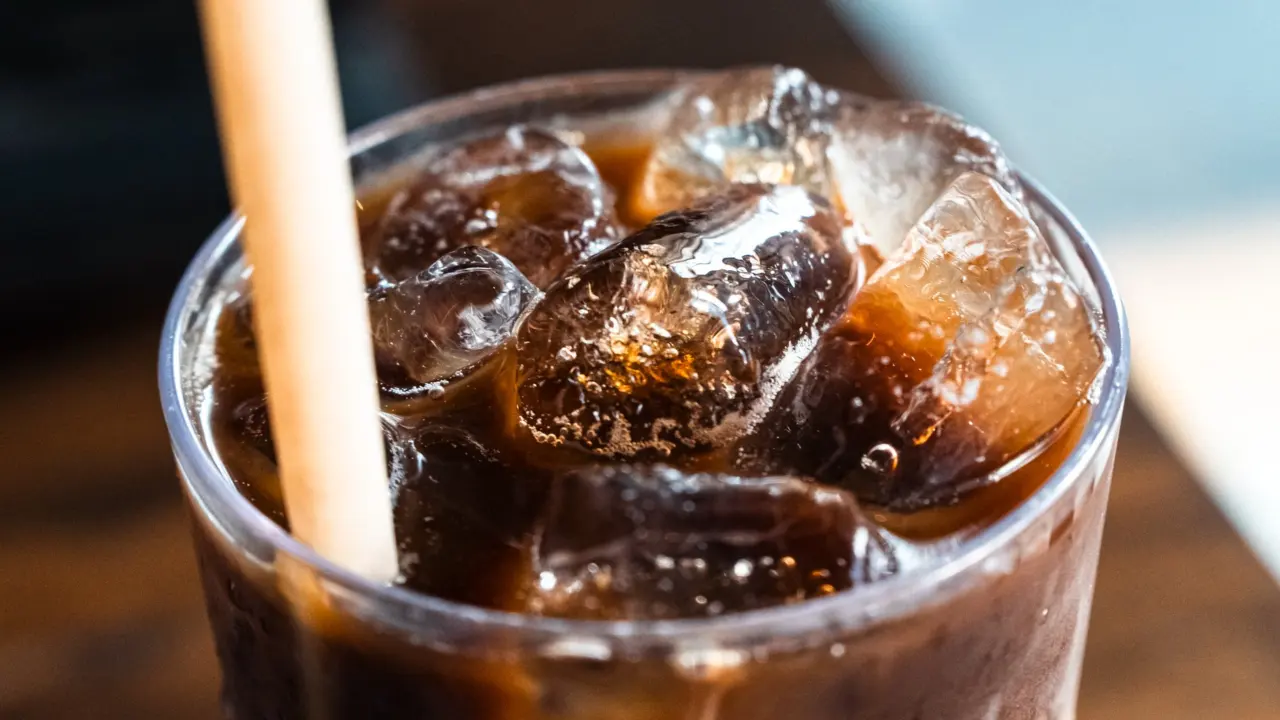
Cold brew calories are low when the coffee is plain: a 1/2 cup serving of a major brand’s concentrate is listed at 10 kcal, and milk, sugar syrup and creamer supply most of the rest.
Your own total depends on how much concentrate reaches the glass and what you stir in. The sections below explain why, show the listed figures and walk through the arithmetic. If you are still settling the brew itself, start with our guide on how to brew coffee at home.
Why plain cold brew stays low in calories
Plain cold brew stays low because the drink is coffee and water, and the calories mostly arrive after brewing. Cold brew skips heat and relies on time, steeping grounds in cold water for 12–24 hours. What comes out of that process is a strong coffee liquid, not a recipe with fat or sugar built in.
The listed nutrition for a branded concentrate reflects that. A 1/2 cup serving shows 10 kcal, with 1 g carbs, 1 g protein and 0 g fat. Those are small values, and they set the baseline for everything else in this guide.
Concentrate versus the finished glass
A calorie figure only means something next to its serving size. A number quoted per 1/2 cup of concentrate describes the concentrate as packaged. The glass you drink may hold only a share of that concentrate once water or ice goes in, so the finished drink is a separate calculation. Comparing a concentrate listing with a café drink listing is not like for like, and it is the most common way people end up with the wrong number.
What the brewing decisions change
Two choices set your total before any milk appears: how much concentrate you pour and how far you dilute it. Both are yours to control when you brew at home, which is why a homemade batch is easy to track once you note the amounts. The steeping window of 12–24 hours is a flavour decision, so treat it as a taste variable rather than a calorie lever.
Cold brew calorie figures at a glance
The table sets a plain concentrate beside a finished, flavoured drink. The two show the range from a bare baseline to a drink with a foam topping.
| Drink or ingredient | Listed serving | Calories | Other listed values | Planning use |
|---|---|---|---|---|
| Starbucks Coffee Company cold brew concentrate | 1/2 cup | 10 kcal | 1 g carbs, 1 g protein, 0 g fat | A baseline for black cold brew. Scale it to the volume of concentrate you actually pour. |
| Starbucks nitro cold brew with cinnamon almondmilk foam, grande | 16 fl oz | 40 kcal (167 kJ) | 6 g sugars, 7 g carbs, 1 g fat, 1 g protein | A reference for a finished drink with a flavoured foam topping. Compare it with your finished glass, not with a measure of concentrate. |
The concentrate figures come from the Eat This Much listing, and the nitro drink figures from the CalorieKing entry.
Reading the table sensibly
Use the concentrate row when you are building a drink from scratch, and the nitro row when you are judging a drink bought ready-made. The nitro drink lists 6 g sugars, which shows that a flavoured foam brings sugar into a drink that started as coffee. Even so, the listed total stays modest for a 16 fl oz serving. That makes a topped cold brew a reasonable choice for anyone who wants flavour without a heavy drink, provided they check that the listing matches the exact recipe they order.
These are two branded listings, not a universal rule. A different brand, a different dilution or a different foam will give different numbers, so use the table to learn the shape of the calculation and then rely on your own measurements.
How add-ins change the total
Add-ins decide whether a cold brew is a near-zero drink or a small dessert. The pattern is simple: once you start adding syrups, sweeteners or creamers to cold brew, those calories can start to add up. The coffee barely changes, while the extras change the drink completely.
Milk and plant milk
Milk is the most common add-in and the easiest to under-count, because a splash is rarely measured. Each milk, whether dairy, oat or almond, carries its own calories per serving, and the carton states the serving size it refers to. Measure the amount you pour in that same unit, then use the carton’s figure. Sweetened and unsweetened versions of the same plant milk can differ, so read the label rather than assuming.
The CalorieKing nitro listing shows a plant-milk topping in practice: the grande with cinnamon almondmilk foam is listed at 40 kcal, with 1 g fat and 6 g sugars. The foam contributes to that total, which is why it is counted as an ingredient rather than ignored.
Sugar syrup and creamers
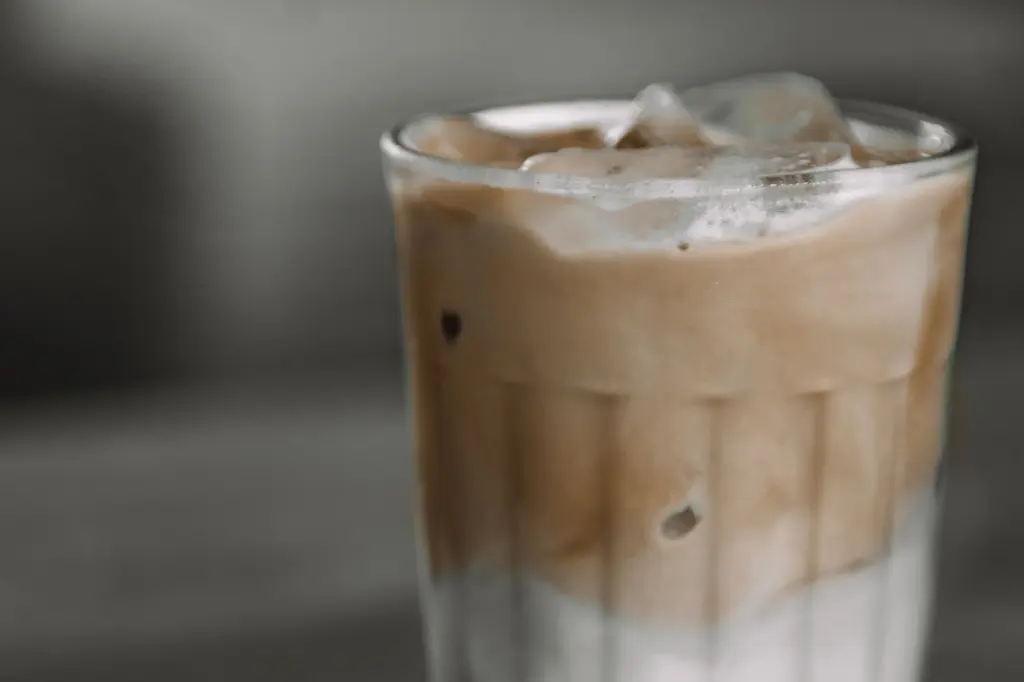
Sugar syrup and creamers are the add-ins to watch most closely, because they are usually poured freehand or by the pump. Their calories come largely from sugar and fat, and the nitro listing shows the sugar side clearly. If you buy a flavoured cold brew, ask for the posted nutrition for the size you order rather than assuming the standard recipe.
Sweetened homemade creamers belong in the same category. If you stir one in, count it as its own add-in, measured by the spoonful, and not as part of the coffee. A condensed-milk creamer is a typical example, and the recipe in Make Luxurious Coffee Creamer With Condensed Milk: Easy 3‑Ingredient Recipes & Tips (2026) – Greatnorthernbrewing shows what goes into one, so you can measure each ingredient.
Calculating calories for homemade cold brew
Calculating cold brew calories at home is simple bookkeeping: the calories in the coffee you pour, plus the calories in each add-in. Homemade coffee has no label, so the calculation is an estimate, but a consistent one is enough to compare your own drinks over time.
- Measure the concentrate. Pour it in the same unit as the listing you are using, such as cups for the concentrate row above.
- Scale the baseline. Adjust the listed concentrate figure to the amount you poured. Because your batch has no label, treat the result as a stand-in for your own brew.
- Note the dilution. Record how much water or ice goes in, so the same drink can be rebuilt next time.
- Measure each add-in. Use the serving size on the carton, bottle or recipe, and write down the calories per serving.
- Add everything together. Combine the concentrate share and each add-in to get the total for the glass.
- Save the recipe. Keep the final number with the measurements, so you only recalculate when something changes.
The main pitfall is mixing units. If the label gives milliliters and your scoop is a tablespoon, convert before you add. The second pitfall is scaling the concentrate but forgetting that the add-ins are poured into the whole glass, not into the concentrate alone.
Where to find reliable values for add-ins
For ingredients without a label in front of you, the USDA’s FoodData Central is the standard public reference. It is managed by the Agricultural Research Service’s Beltsville Human Nutrition Research Center, and its data are in the public domain. The USDA asks users to list FoodData Central as the source, which is worth doing if you publish your numbers.
How you use it depends on the product. The Foundation Foods and SR Legacy data are updated every 2 years, so they suit general reference values. Branded entries draw on label data collected through a public-private partnership, and that branded data is updated monthly. Since the branded database stopped receiving new component information from Label Insight after November 16, 2023, a brand-name carton or syrup bottle is best checked against the label in your hand, especially if the product has been reformulated.
If you also use coffee in drinks beyond the glass, the same bookkeeping applies. A cocktail built on coffee, such as the one in How To Make An Espresso Martini At Home: A Quick, Foolproof Recipe For Coffee Lovers – Greatnorthernbrewing, has several measured ingredients, and each one carries its own calories to add to the total.
Lower-calorie cold brew habits
The lowest-calorie cold brew is the one you leave plain, and every other choice is a trade between flavour and calories. The habits below keep that trade deliberate.
- Start black, then add one thing. The concentrate listing shows how little the coffee contributes, so each addition is a conscious choice. This suits people who drink several glasses a day.
- Measure the splash. A poured splash is the add-in most often left out of the count. Using a spoon or a marked jug makes the number repeatable.
- Treat syrup and creamer as the main variable. They are the add-ins most likely to make the calories add up. If you want sweetness, add it in steps and stop when the drink tastes right.
- Read the label on plant milks. Compare sweetened and unsweetened versions by the sugar and calorie lines for the serving you pour.
- Compare like for like when ordering out. Ask for the nutrition of the size you are buying, since a topped nitro drink and a measured portion of concentrate are different servings.
If you track calories closely, plain or lightly dressed cold brew fits easily. If you drink flavoured versions, the nitro foam listing shows that a modest topping can still be a reasonable choice, but only when you have checked the actual recipe.
Frequently asked questions
How often are USDA nutrition values updated?
It depends on the dataset. FoodData Central’s Foundation Foods and SR Legacy data are updated every 2 years, while branded label data is updated monthly.
Can I use USDA FoodData Central data in my own notes or posts?
Yes. The data are in the public domain and not copyrighted. The USDA requests, but does not require, that you list FoodData Central as the source.
How long should homemade cold brew steep?
A common range is 12–24 hours in cold water, according to Healthline. The time affects how the coffee tastes, so adjust it for flavour.
Is a nitro cold brew with foam still a light drink?
One listed example is. A grande (16 fl oz) with cinnamon almondmilk foam is listed at 40 kcal with 6 g sugars. Other recipes and brands will differ, so check the one you order.