Out of vanilla syrup and tempted to splash extract in your latte? Here’s the vanilla syrup for coffee recipe that fixes it: equal parts sugar and water, vanilla added at the right stage, kept in the fridge.
If you are still building your routine, start with how to brew coffee at home, then use this syrup to flavour the cup once the base brew is dialled in.
Why extract alone is not vanilla syrup
Vanilla syrup is a sweetener first and a flavouring second. Cooking With Anadi points out that vanilla extract does not act as a sweetener, and Fork in the Kitchen specifically recommends against using extract alone as a replacement for vanilla syrup. A few drops of extract in a latte add vanilla aroma but none of the sweetness a sugar base provides.
Extract still has a job: it is one of the ways to flavour the syrup. Starbucks’ at-home recipe lists a vanilla bean or vanilla extract as interchangeable flavourings for the same sugar-and-water base, and Fork in the Kitchen advises pure vanilla extract rather than imitation for the best flavour. The real choice is how and when the vanilla goes into the pan, which is where most home batches go wrong.
| Common assumption | What holds up | Planning use |
|---|---|---|
| A splash of extract does the same job as syrup. | Extract is not sweet, and the recommendation is not to replace syrup with extract alone. | Make the sugar base first, then flavour it. Use extract inside the syrup, not instead of it. |
| Vanilla should boil with the sugar from the start. | Vanilla bean paste goes in once the syrup is off the heat to retain the most flavour, and extract is stirred in after the mixture has simmered and cooled. | Add paste and extract late. Keep heat for dissolving the sugar. |
| Homemade syrup is a pantry staple. | Both recipes store it in an airtight container in the refrigerator for up to two weeks. | Make small batches and keep them refrigerated. |
These points come from Fork in the Kitchen’s vanilla syrup recipe and Starbucks’ at-home vanilla syrup recipe.
The 1:1 base recipe
A 1:1 syrup means equal volumes of granulated sugar and water. Fork in the Kitchen uses that ratio for what it calls a smooth, just-right syrup, and Cooking With Anadi states the water-to-sugar ratio as one to one. It is the easiest ratio to remember and scale, which makes it a good default for coffee.
Ingredients and batch size
Two published batch sizes show how the base scales:
- Standard batch: Starbucks uses 1 cup sugar, 1 cup water and 1 vanilla bean, or 1 1/2 Tbsp vanilla extract in place of the bean.
- Small batch: Fork in the Kitchen uses ½ cup water, ½ cup granulated sugar and ½ Tbsp vanilla bean paste or extract, and the batch yields about 3/4 cup.
The two recipes use different amounts of vanilla for their batch sizes, so treat the vanilla quantity as a starting point and adjust to taste next time. If you drink coffee in small amounts or only occasionally, the small batch makes more sense, because the syrup has a short refrigerator life.
Method
- Combine the sugar and water in a small saucepan and heat, stirring, until the sugar dissolves.
- Bring to a boil, then reduce the heat to a simmer for 5 minutes, which is the timing in Starbucks’ recipe.
- Take the pan off the heat. If you are using a bean, split it lengthwise with a paring knife and scrape out the seeds, as the Earthly Provisions method does, then add seeds and pod to the hot syrup.
- Steep. That same bean method boils the syrup for 1 minute and then lets it steep for 10 minutes off the heat.
- Add paste or extract late. Stir in vanilla bean paste once the syrup is off the heat, or stir in extract once the mixture has simmered and cooled.
- Bottle and chill in an airtight container in the refrigerator.
Avoid overcooking
Longer is not better. From Foodie With Love warns not to cook the sugar too much or it will start to become candy. That recipe simmers a much larger batch for 10 to 15 minutes and cools it completely before adding the vanilla. For a one-cup batch, the shorter 5-minute simmer from Starbucks is the safer guide, and it is better to stop early than late.
Choosing bean, paste or extract
Each form of vanilla suits a different priority, and the right one depends on whether you want the strongest flavour, the quickest batch or the easiest buy.
- Vanilla bean: Best if you want to let flavour build in the jar. The pods keep infusing the syrup as it sits in the refrigerator, according to Earthly Provisions, so leave them in. Beans cost more; that recipe attributes this to the orchids blooming for only 24 hours each year and being hand-pollinated.
- Vanilla bean paste: Best for a strong flavour without handling pods. Cooking With Anadi says to use half the amount compared with extract because paste has a very strong flavour. Add it off the heat so it retains the most flavour.
- Pure vanilla extract: Best for speed and for cupboards that already have a bottle. Choose pure extract rather than imitation, as Fork in the Kitchen advises, and stir it in only after the syrup has cooled.
A bean suits anyone who plans to use the syrup within its refrigerator window and likes the infusion to deepen. Extract suits the first batch, because it is the quickest way to learn how much vanilla you like.
Sugar swaps and bigger batches
Granulated sugar gives the cleanest vanilla flavour, but the base is flexible. Cooking With Anadi lists brown sugar, honey, cane sugar, maple syrup, sucralose and stevia as possible replacements, with the caution that flavour, colour and texture can change. Brown sugar is the most natural swap for coffee, since it gives a darker, richer syrup that works well in milk drinks; honey and maple syrup add flavours of their own that will compete with the vanilla.
For a blended approach, From Foodie With Love combines 3 cups granulated sugar and ½ cup light brown sugar with 3½ cups water and 3 tbsp vanilla extract. It simmers the mixture for 10 to 15 minutes and lets it cool completely before the vanilla goes in. That is a large volume, so it only makes sense if you will share the syrup or use it frequently within its refrigerator life.
Using vanilla syrup in coffee
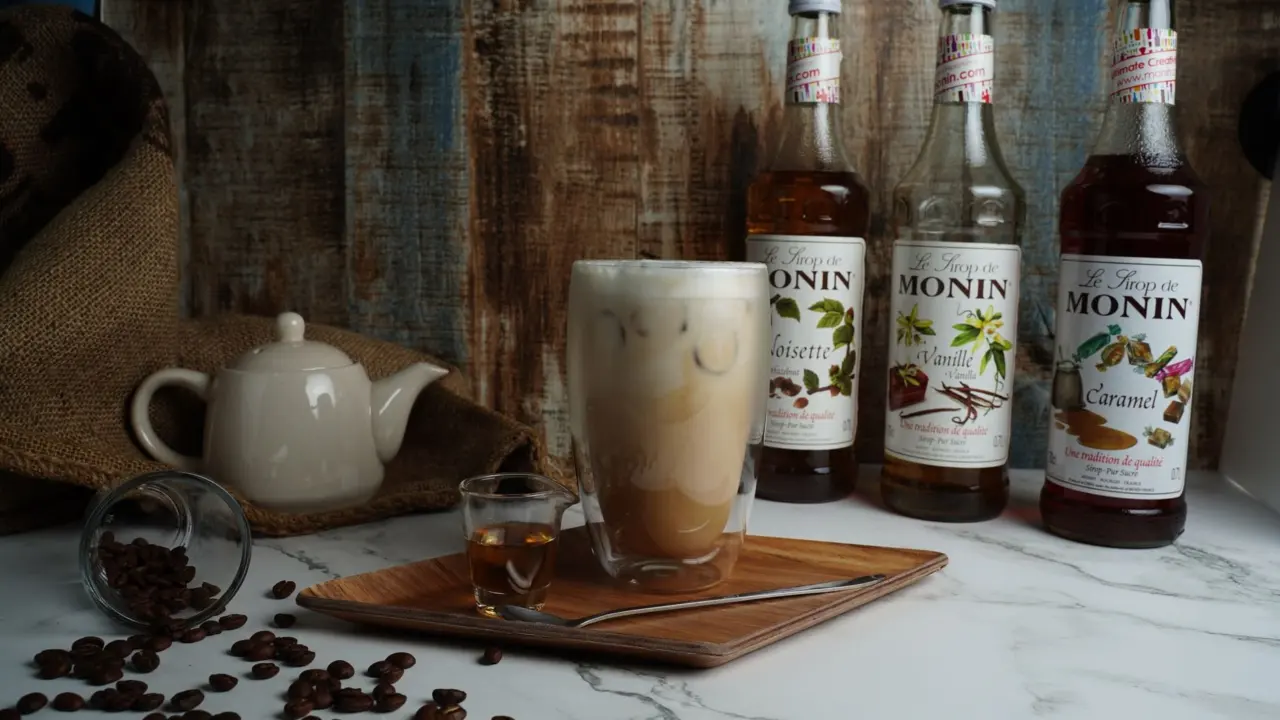
Vanilla syrup works best in milk-based coffee. Cooking With Anadi recommends adding a splash to vanilla lattes and cappuccinos, and Earthly Provisions notes that simple syrups are versatile enough for coffee, cocktails and desserts.
A few habits help home drinks taste consistent:
- Measure the syrup. Use the same spoon or small measure every time, so you can repeat a drink you liked or adjust it by a clear step.
- Keep the base steady. Because the syrup is always the same 1:1 base, only the vanilla changes between batches; note the form of vanilla on the jar so you can compare batches.
- Add syrup to the cup first, then pour the coffee or milk onto it, so the sweetness is easy to taste and adjust before you commit to the full drink.
- Date the jar. Because the syrup is only good for a short refrigerator window, a date on the label saves guesswork.
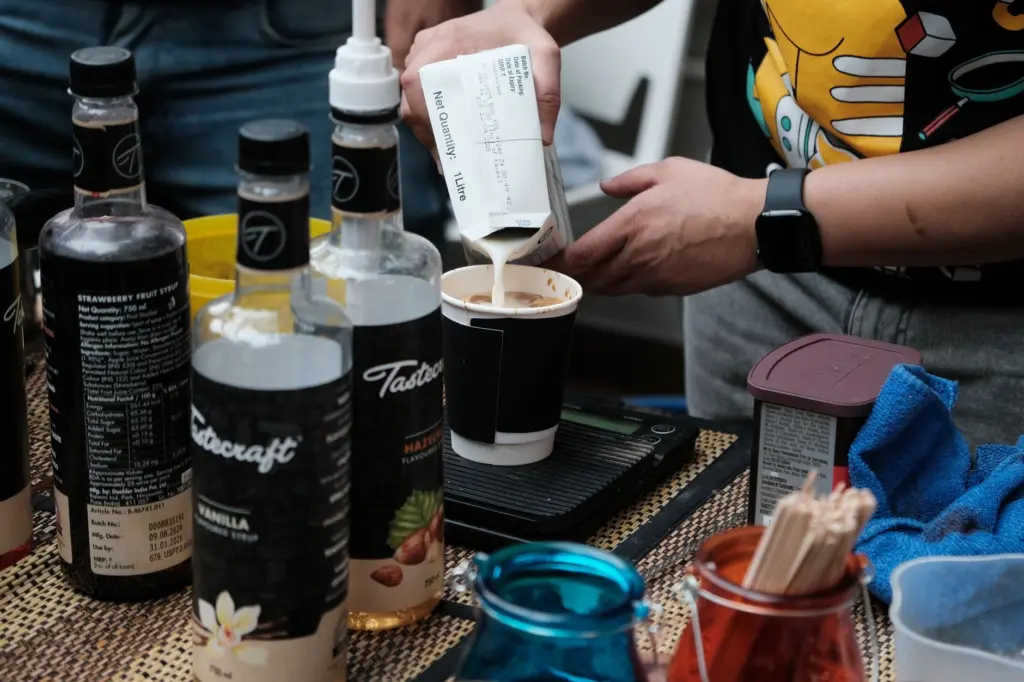
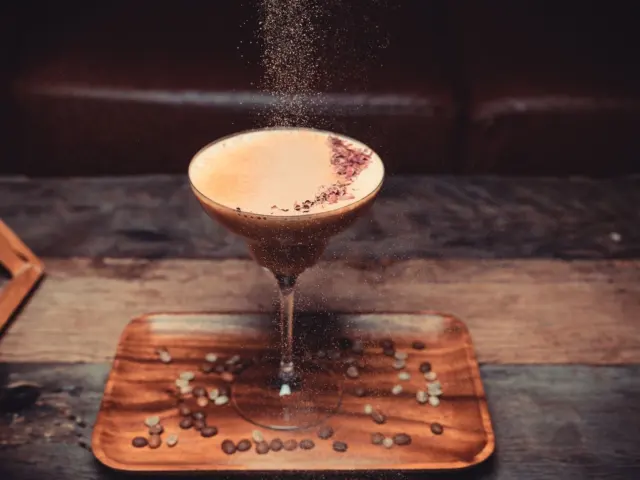
Syrup is not only for the cup. If you like cocktails, the same vanilla base can sweeten a How To Make An Espresso Martini At Home: A Quick, Foolproof Recipe For Coffee Lovers – Greatnorthernbrewing, and it is a natural partner for cold, creamy drinks such as Whipped Coffee Recipe: 5-Minute Dalgona-Style Coffee For Creamy At-Home Café Drinks – Greatnorthernbrewing.
Storing vanilla syrup and how long it keeps
Store the syrup in an airtight container in the refrigerator and use it within about two weeks. Starbucks, Fork in the Kitchen and Earthly Provisions all give up to two weeks as the refrigerator window, including for syrup that still has its vanilla pods in the jar.
One blog recipe stores its syrup at room temperature in an airtight jar, so storage advice varies between home cooks. For a short-lived, low-effort syrup the refrigerator is the better choice, because it matches what the Starbucks recipe and the other two sources specify. If a batch has sat longer than the window, make a fresh one rather than stretching it; a new pan of syrup takes only minutes.
Frequently asked questions
| Question | Answer |
|---|---|
| How do you make vanilla syrup? | Heat equal parts sugar and water until the sugar dissolves, simmer briefly, then flavour with a split vanilla bean or with paste or extract added late. Starbucks’ recipe simmers for 5 minutes, per Starbucks. |
| How long does it keep? | In an airtight container in the refrigerator, up to two weeks, according to Starbucks and Fork in the Kitchen. |
| Can I use extract? | Yes, inside the syrup. Starbucks lists 1 1/2 Tbsp extract in place of a bean for its 1-cup batch, stirred in after cooling. Extract on its own is not a replacement for the syrup because it is not sweet. |
| Can I use brown sugar or another sweetener? | Yes. Cooking With Anadi lists brown sugar, honey, maple syrup and others, with changes to flavour, colour and texture. |