| Difference | Arabica | Robusta | Planning use |
|---|---|---|---|
| Caffeine | Lower | About 2x as much in one tested set of samples | Choose Robusta, or a blend containing it, for a stronger lift. Treat the ratio as study-level, not a fixed figure. |
| Sugar and lipids | Almost twice the sugar concentration and about 60% more lipids | Lower on both | Expect a sweeter, rounder cup from Arabica. |
| Flavour | Sweeter, zestier, somewhat fruitier | Heavier, nuttier, earthier, more bitter | Match the bean to how you like your coffee: delicate or weighty. |
| Price | More expensive to buy | Less expensive to buy | Spend on Arabica when flavour is the point. Use Robusta where cost matters more. |
| Espresso role | Supplies sweetness and fruit | Adds body, crema, caffeine and intensity; many home blends start around 10-20% Robusta | Add Robusta in a small share, then adjust to taste. |
Figures and flavour descriptions come from a green-coffee roasting guide and Lavazza’s Arabica and Robusta guide.
Arabica vs robusta mostly comes down to flavour versus force: choose Arabica for sweeter, fruitier cups and filter brewing, and Robusta, usually as a minority of an espresso blend, for body, crema and caffeine. Straight Robusta commonly tastes heavy and bitter.
If you are still building your routine, the guide on how to brew coffee at home covers the methods these beans end up in.
Flavour in the cup
The taste difference between Arabica and Robusta is the first thing you notice, and it shapes every later choice. Arabica is generally considered more refined, with a rich, well-balanced profile, and Lavazza describes it as sweeter, zestier and somewhat fruitier. Robusta commonly tastes heavier, nuttier, earthier and more bitter. Neither description is a verdict on quality. They are different targets, and the right one depends on what you want from the mug in front of you.
In practice the species you buy decides how much there is to notice in the cup. Arabica gives you aroma, fruit and acidity to pay attention to. Robusta gives you weight and bite that stand up to milk, sugar or a rushed morning.
Matching the bean to the brew
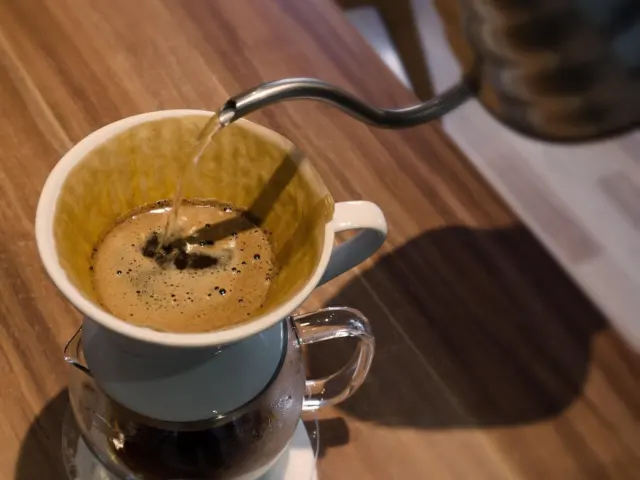
- Filter and pour-over: Arabica is the better choice when your priorities are floral aroma, fruit, acidity, sweetness and complex single-origin character. Pour-over clarity is where those qualities show.
- Strong, weighty cups: Robusta suits drinkers who want heft over delicacy. Its heavier, earthier profile is the point, not a flaw to brew around.
- Cold brew: Robusta works pretty well here, because the cold method makes the coffee less bitter and softens the trait many people dislike most. If chilled coffee is your main habit, Iced Coffee Vs. Cold Brew: How To Pick The Right Chilled Coffee In 2026 – Greatnorthernbrewing explains how the two cold methods differ.
Espresso blends and crema
For espresso, a blend with a small share of Robusta is usually the practical answer, and a straight Robusta shot is the exception. Robusta can add body, crema, caffeine and intensity to an Arabica-Robusta blend, and many drinkers say they prefer it for espresso because of the crema it produces. A 100% Robusta espresso can be heavy, intense and high in caffeine, which is exactly why most people keep it as a supporting part.
Robusta is most common in blends with other coffee varieties, and the home version of that practice is modest. A green-coffee guide recommends starting around 10-20% Robusta for many home blends. At that level the Arabica still carries the sweetness and fruit, while the Robusta contributes weight and crema. For a wider look at where espresso sits among milk drinks and other cups, see Different Coffee Drinks: The Practical Guide To 2026’s Most Popular Cups – Greatnorthernbrewing.
- Start low: begin at the bottom of the 10-20% range and change the share only after tasting the result.
- Go higher for punch: raise the Robusta share when you want more intensity and caffeine, accepting a heavier, more bitter shot.
- Stay with Arabica for delicate shots: if you want sweetness and fruit to lead, the blend adds little for you.
Caffeine and strength
Robusta has more caffeine than Arabica. In one study, Robusta samples contained about 2x as much caffeine as the Arabica samples tested. That is a study-level comparison rather than a fixed figure, so read it as a direction and not a guarantee for any particular bag.
The practical consequence is simple. Blending in Robusta raises the caffeine of your espresso as well as its body, and a straight Robusta shot is high in caffeine. If you drink coffee mainly for the lift, a Robusta-containing blend does that job well. If you are sensitive to caffeine or want a gentler cup, Arabica is the lower-caffeine route, and it also happens to be the sweeter one.
Price and what it buys
Arabica costs more because it is harder to grow well. Arabica beans are more sensitive to pests and the environment, so producing them is more expensive, and Lavazza describes Arabica as higher in quality and more expensive to purchase. Robusta is easier and cheaper to cultivate and generally has a higher yield, so it is typically cheaper to buy.
That gap tells you what you are paying for: farming cost and a flavour profile many drinkers prize, not a guarantee that every Arabica bag tastes better. Robusta beans are also more susceptible to mold than Arabica beans, so low price is not the only thing separating the two. Judge a specific bag by its roast, its freshness and the flavour notes the roaster gives, whichever species is on the label.
Growing conditions behind the differences
Arabica and Robusta are farmed in different places, and that explains most of the price and flavour story above. Arabica likes sub-tropical climates and high altitudes, and needs rich soil and a good amount of water. It requires a balance of sun and shade. Robusta prefers low-altitude farms and can weather a lot of sunlight.
Arabica’s fussier requirements limit where it can be grown well and raise the cost of growing it. Robusta’s tolerance of sun and lower ground, together with its higher yield, keeps it cheaper. The same conditions that make Arabica demanding are part of why many people connect it with a more refined cup.
Sugar, lipids and bitterness
The chemistry matches the tasting notes. According to Peak State, Arabica contains about 60% more sugar and lipids than Robusta. Lavazza puts it as almost twice the concentration of sugar and about 60% more lipids. The two sources phrase the sugar comparison differently, so use it as a general direction: Arabica carries more of both.
More sugar and lipids fit the sweeter, rounder cup people describe in Arabica, and Robusta’s lower levels fit its heavier, more bitter reputation. When you taste two bags side by side, this is what you are tasting, which is why the flavour description on the bag is a better buying guide than the species name alone.
Frequently asked questions
Is Robusta always low quality?
No. Robusta commonly tastes heavier, nuttier, earthier and more bitter, but high-quality lots can be cleaner than the stereotype suggests.
Where is Robusta grown?
World Coffee Research, as cited in the same roasting guide, identifies Vietnam, Brazil, Indonesia, Uganda, India and Côte d’Ivoire as the six leading Robusta-producing countries.
What else is Robusta used for besides espresso blends?
Lavazza notes that Robusta is mostly used for instant coffee granules and powders.
How common is Arabica?
Arabica represents roughly 60% of the coffee consumed across the globe, according to Peak State.