| Situation | Grind guidance | Planning use |
|---|---|---|
| Espresso | Fine, 180–380 µm | A 10–15 µm shift can move flow from 22 to 40 seconds, so make the smallest adjustments your grinder allows. |
| V60 / pour-over | Medium-fine to medium, 400–950 µm | This is the widest band of the three methods, so taste decides where in it you settle. |
| French press | Coarse, 1000–1200 µm | Stay at the coarse end of the range and go coarser still if the cup turns muddy or dry. |
| Cup tastes sour or weak, or drains too fast | Grind finer | Make this your first adjustment before changing anything else. |
| Cup tastes bitter, dry or muddy, or drains too slowly | Grind coarser | Again, change the grind first and judge the result before touching other variables. |
The ranges and taste rules above come from the Not a Barista grind size chart, which presents them as starting points rather than fixed targets.
Coffee grind size decides how fast water extracts flavor: start from the band for your method, then let taste decide whether to go finer or coarser.
This page covers a single setting in depth. The wider routine around it is in our guide on how to brew coffee at home.
What the wrong grind does to the cup
Under-extracted coffee tastes thin and is dominated by acidity, while over-extracted coffee tastes bitter and metallic, as Sightglass Coffee’s grind adjustment guide puts it. Grind size is the lever that pushes a brew toward either side, so the same beans can land on a sour cup or a harsh one depending on how they were ground.
The average setting is only part of the picture. The Not a Barista guide describes two kinds of troublemakers: fines, which are very small particles that extract quickly and can slow down water flow, and boulders, which are larger particles that extract more slowly and can make coffee taste sour, weak or uneven. A grinder that produces plenty of both makes balance harder, because no single setting fixes fast and slow extraction at the same time.
- Grind too coarse: water runs through quickly and the larger particles give up their flavor slowly, which shows up as a sour, weak or uneven cup.
- Grind too fine: according to CNET’s grind size explainer, a finer grind can reduce the flow rate of water and increase contact time, which pushes the brew toward bitterness.
- Grind uneven: a mix of fines and boulders pulls the cup in two directions at once, so adjusting the dial alone may not rescue it.
Starting points by brew method
Treat the chart bands as the place to begin, not the place to stop. Each method rewards a slightly different habit.
Espresso
Espresso leaves the least room for error. The same chart gives a target shot time of 25–35 seconds for a standard double, and that clock is a useful checkpoint because a shot well outside the window tells you which way to move before you even taste it. Since small dial changes have large effects here, an espresso grind suits a grinder with fine, repeatable steps.
Pour-over
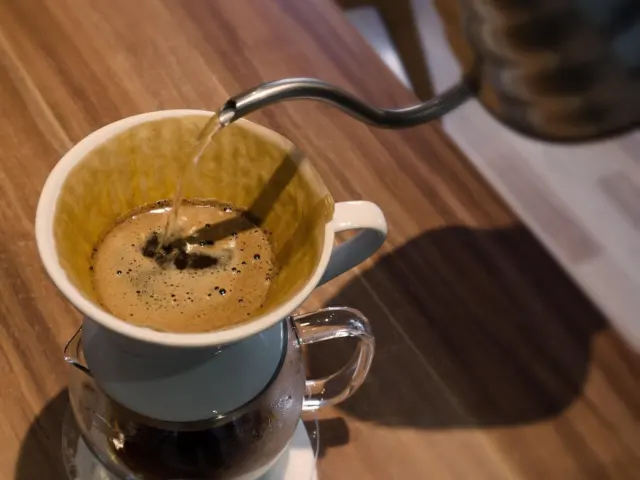
CNET notes that most pour-over methods call for a medium to medium-fine grind, and the V60 band in the table covers the same ground. Begin between those two descriptions, then let the speed of drainage and the taste of the cup tell you which way to shift. Because the band is broad, pour-over is forgiving for beginners but rewards a note of the exact setting once you find it.
French press
French press asks for the coarsest setting of the three methods in the table. If the cup comes out muddy or dry, coarsen the grind before blaming the beans. The brewing steps themselves are laid out in How To Use A French Press: A Simple Step-By-Step Guide For Richer Coffee – Greatnorthernbrewing, which pairs well with the starting band here.
Dialing in your grind
Dialing in is a short loop of brewing, tasting and adjusting. It works best when only the grind changes between cups, so you can attribute any difference to it.
- Set the grinder to the starting band for your method from the table.
- Brew a cup and name the problem plainly: thin and acidic, or bitter and metallic.
- Move the grind in the direction the taste rule in the table indicates, and leave the rest of the recipe alone.
- For espresso, check the shot clock alongside the taste so both agree.
- Repeat until the cup is balanced, then stop adjusting.
On a burr grinder the mechanics are simple: the closer the burrs are set to one another, the finer the grind. Sightglass describes a method for hand grinders with a thumbscrew: treat the burrs touching as zero, count how many rotations of the thumbscrew give your current setting, then refine in half and quarter turns. Counting turns gives you a way to return to a setting you liked.
Choosing a grinder for consistency
If you keep chasing a sour and bitter cup at the same time, the grinder may be the limit rather than the setting. The choice comes down to how uniform you need the particles to be.
- Burr grinder: Sightglass calls it easy to adjust and capable of a very consistent particle size, and Tchibo explains that it crushes the beans uniformly. Planetary Design adds that burr grinders create tighter size distributions than blade grinders. It suits anyone who wants to repeat a result, and it is close to essential for espresso.
- Blade grinder: Sightglass describes it as relatively imprecise, with a consistent grind hard to achieve. It can work for casual brewing, but it makes dialing in a guessing game.
If you are also deciding which beans to buy for each method, Espresso Beans Vs. Coffee Beans: How To Pick The Right Roast, Grind, And Flavor In 2026 – Greatnorthernbrewing covers how roast and grind fit together.
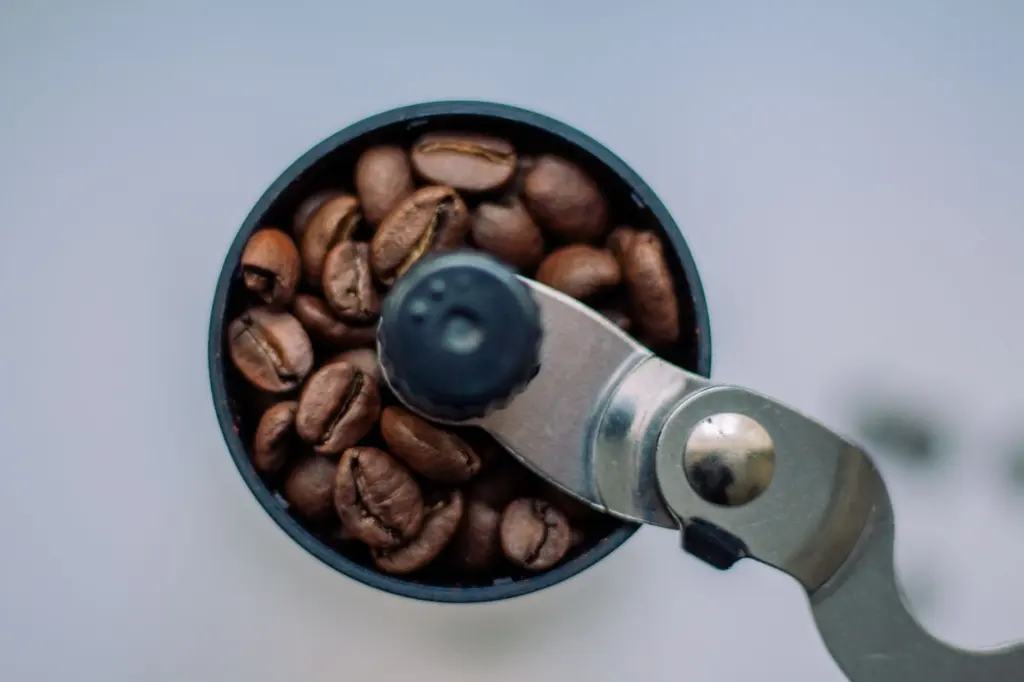
Why particle size changes extraction
Sightglass explains that we grind coffee to increase its surface area and make it easier for water to extract flavor. CNET adds that three factors make the biggest difference: contact time, extraction rate and flow rate.
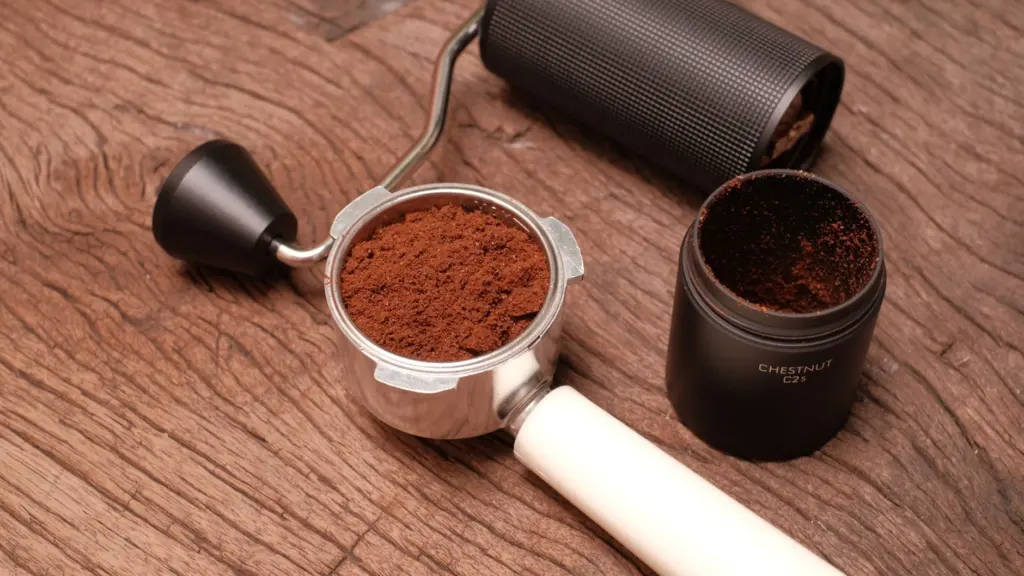
These factors move together. A finer grind exposes more surface, which speeds extraction, while also slowing the flow of water and lengthening contact time. A coarser grind does the opposite on both counts. That is why the same dial that cures a sour cup can create a bitter one if you push it too far, and why small, deliberate steps beat large jumps.
Frequently asked questions
What should ground coffee look like for espresso and French press?
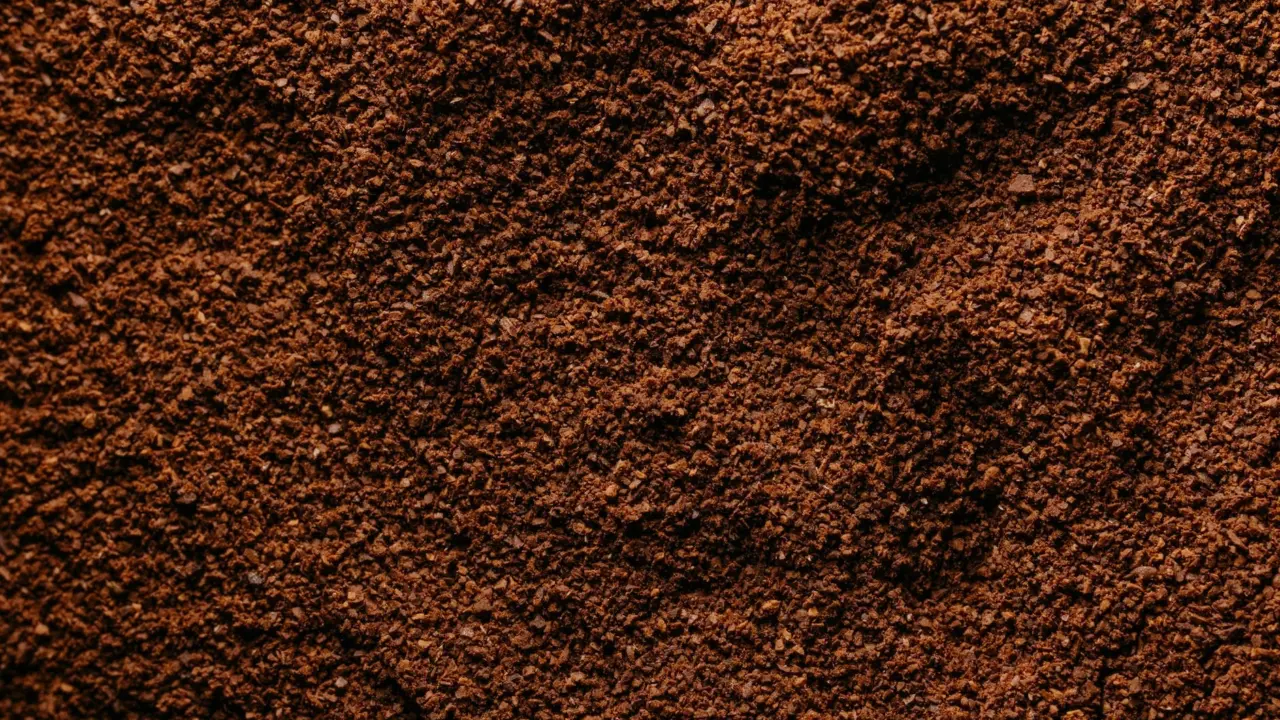
Tchibo describes espresso grounds as resembling flour or granulated sugar, and recommends a French press grind that resembles coarse sea salt. These are visual checks, not substitutes for tasting the cup.
Why do published grind ranges differ between sources?
Sources measure and round differently. Planetary Design gives 200–400 microns for espresso and 800–1,100 microns for French press, slightly different from the chart above, so treat every range as a starting band and let your own cup decide.
Is it worth writing down my grind settings?
Yes. Sightglass recommends taking notes on which setting tastes best for each brew method, which lets you return to it quickly after cleaning the grinder or switching beans.
Does a finer grind always make the coffee stronger?
Not reliably. A finer grind slows the flow and increases contact time, but going too far tips the cup toward bitter and metallic flavors, so the aim is balance rather than maximum extraction.