| Factor | Espresso | Filter-style coffee | Planning use |
|---|---|---|---|
| Roast | Most espresso roasts sit in the medium to medium-dark range. Dark roasts have a shiny, oily surface and are mostly used for espresso. | Light roasts have no oily sheen and suit mild-flavored, non-pressure brewing. | Read the roast level on the bag before you trust the word “espresso”. |
| Grind | Fine; ultra-fine compared with regular coffee. | Medium to coarse for drip, pour-over and French press. | Set the grinder by method, not by the bag label. |
| Pressure and time | Hot water is pushed through at about 9 bar, and the shot extracts in 25 to 30 seconds. | No machine pressure; non-pressure brewing. | An espresso-style shot needs a machine that can supply that pressure. |
| Crema | Forms during brewing and is a defining espresso trait. | Filter brewing creates none. | Do not treat missing crema in a filter cup as a fault. |
| The label | A recommendation, not a different bean. | The same plant and the same bean. | Use the label as a hint about roast and grind, nothing more. |
Figures above come from a guide to espresso and coffee beans and a comparison of coffee and espresso beans.
Espresso beans vs coffee beans is a question of roast, grind and brew method rather than species: both come from the same coffee plant, so the right choice depends on the machine and cup you want.
If you are still choosing equipment, start with how to brew coffee at home, then return here to match the beans to the method.
What the choice changes in your cup
The word on the bag tells you what the roaster expects you to do with it. As one bean guide puts it, the label is a recommendation, not a different bean. Treat it as a shortcut to three decisions, and check each one yourself.
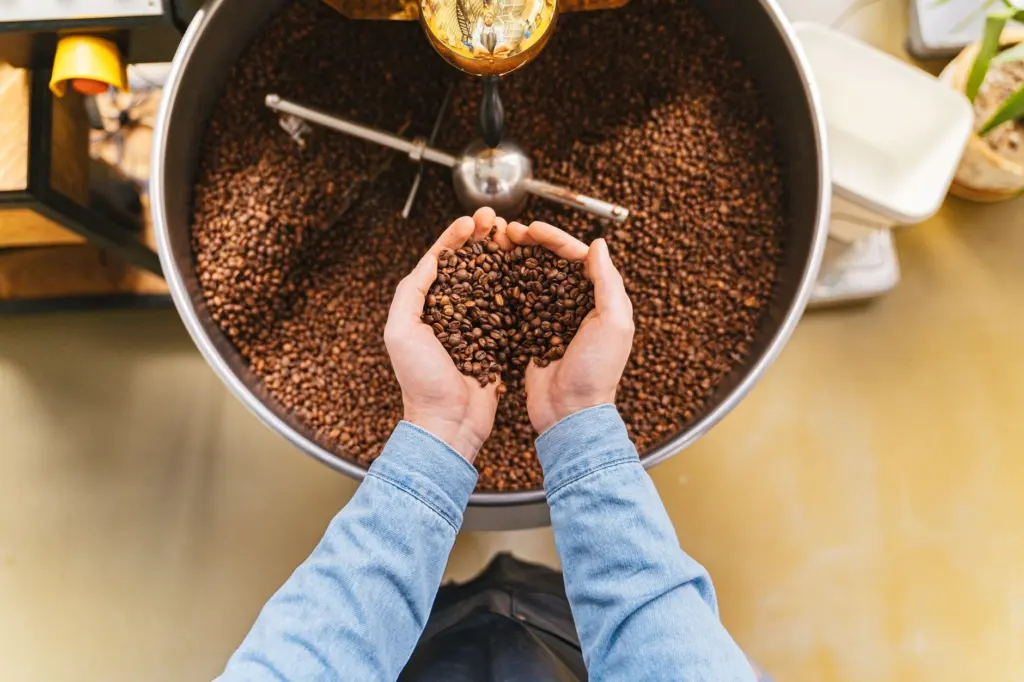
- Flavor direction. Espresso blends are typically roasted darker than average drip or pour-over beans. A bag sold for espresso will therefore usually sit toward the darker end of what you can buy. If you want a mild cup from a filter brewer, a lighter roast is the better fit.
- Crema expectations. Crema is produced during espresso brewing, and filter brewing creates none. If you want that layer on top, you need espresso-style brewing, and no choice of bean will add it to a drip cup.
- Grind compatibility. Regular coffee is coarse compared with espresso’s ultra-fine grind. Coffee pre-ground for drip is therefore a poor starting point for an espresso machine, and a fine espresso grind is the wrong setting for a French press.
- Caffeine and blend makeup. Robusta carries roughly twice the caffeine of Arabica, so blends containing Robusta are the stronger option. If caffeine matters to you, check the species in the blend rather than relying on the word “espresso”.
These effects explain why the same bag can disappoint in one brewer and please in another. The next section turns them into a buying rule for each method.
Choosing beans by brewing method
Start from the brewer you own and work backward to roast and grind. The pairings below follow the roast and grind ranges in the table above.
- Espresso machine. Look for a bag labeled espresso, or any medium to medium-dark roast, and grind it fine. This is the setup the pressure and short extraction time are designed around.
- Drip and pour-over. Use a medium to coarse grind. Light roasts suit mild-flavored cups, so they are the natural choice when you want a gentle, unforced filter brew.
- French press. Use the same medium to coarse grind range. A coarse grind is the safer end of that range for an immersion method, because the fine end belongs to espresso.
- One grinder, several brewers. Keep the beans the same if you like, and change only the grind setting for each method. The difference between espresso and filter coffee sits in that setting and the roast, so a single bag can serve both routines.
Where you buy matters as much as which label you pick, because a roaster that states roast level clearly makes the choice easier. For a place to start, see The Best Coffee Roasters In The U.S. — 2026 Picks For Fresh, Flavorful Beans – Greatnorthernbrewing, then pick a bag whose roast level matches the brewer in the list above.
Same plant, different treatment
Espresso beans and coffee beans come from the same coffee plant, and there is no separate espresso bean species. What a roaster changes is the roast, and what you change at home is the grind and the brew method. Those three variables decide whether the cup tastes like espresso or like filter coffee, which is why the difference is in the roast, not the bean.
This is useful when shopping. A bag with the word espresso is a roast-and-grind suggestion, and a bag without it can still make a good shot if the roast and grind suit the machine. Roast is the stage where that decision is made, so it is worth understanding before you buy.
How roast and grind create the difference
Roast level
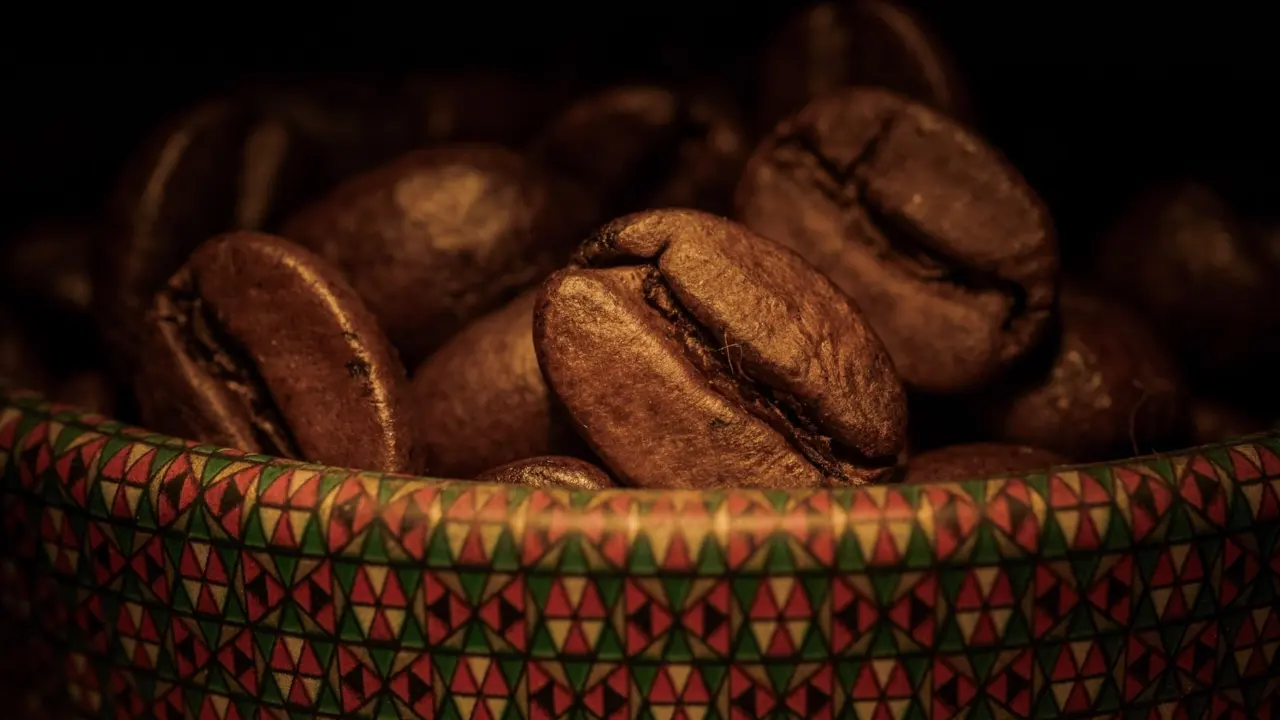
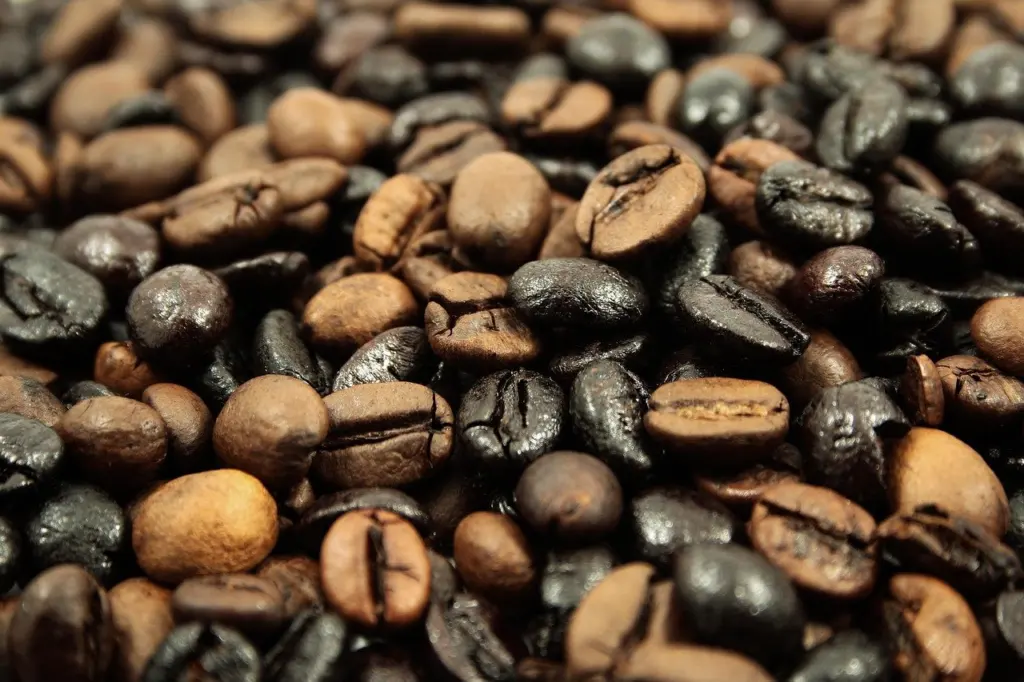
Roast is the first lever, and it is visible on the bean. Light-roasted beans do not have an oily sheen, while dark-roasted beans are dark brown with a shiny, oily surface, according to a coffee and espresso comparison. Espresso roasts do not have to be the darkest on the shelf, because most sit in the medium to medium-dark range. That range gives you room to choose within it, and a medium roast can be a sensible place to start if you also want to brew filter coffee from the same bag.
Grind and pressure
Grind is the second lever, and it works together with pressure. An espresso machine pushes hot water through the coffee at about 9 bar, and the guide to espresso and coffee beans states that espresso needs a fine grind and high pressure. Drip, pour-over and French press use medium to coarse grinds instead. The practical result is that a grinder able to go fine enough for espresso matters more to the shot than the choice of bag.
Because grind setting changes so much, it is worth learning how each step shifts the cup. The detail is covered in Coffee Grind Size: The Simple Guide To Better Flavor In 2026 – Greatnorthernbrewing, which applies to every brewer mentioned here.
Frequently asked questions
Can I use the same beans for both?
Yes, in most cases. You can make espresso with regular coffee beans, and the reverse, but you might not get the smooth, balanced shot that an espresso roast is designed to give. Adjust the grind for each method and choose a medium to medium-dark roast if one bag has to cover both.
How can I tell a darker roast on the shelf?
Look at the surface: dark roasts are dark brown with a shiny, oily finish, while light roasts show no oily sheen. If the roaster publishes an Agtron reading, a lower number means a darker roast.
Why do espresso blends mix beans from different regions?
Espresso blends often combine beans from different regions to make the shot even more dialed in. Blending lets a roaster aim for balance in a short, concentrated extraction, which is why a blend and a single-origin bag can taste so different from the same machine.
Do I need a different bean for a filter brewer?
No, you need a different roast and grind, not a different bean. A lighter roast ground medium to coarse suits mild-flavored filter brewing, and the plant is the same one used for espresso.