| Drink and serving | Caffeine estimate | Planning use |
|---|---|---|
| Double espresso, 2 oz | About 80 mg | A compact drink that is finished in a few sips; suits a quick hit or the base of a milk drink. |
| Brewed coffee, 12 oz | About 120 mg | The larger total dose, spread over a long mug; suits desk work or a slow morning. |
| Brewed drip coffee, 8 oz | About 95 mg | Even a modest mug carries a little more than a double shot. |
| Latte or cappuccino, 12 oz | 75 to 150 mg | A wide range, so a milk drink is not automatically a low-caffeine pick. |
| Americano, 12 oz | 75 to 150 mg | Water stretches espresso into a longer drink; it lands in the same band as a milk drink. |
| Per ounce: espresso versus brewed | About 40 mg per oz versus about 10 mg per oz | Espresso is the concentrated drink; use this when pace matters, and serving size when total matters. |
Figures are published estimates from a roaster’s espresso-versus-drip comparison and a coffee caffeine guide; real cups shift with bean type and grind size.
Espresso vs coffee comes down to concentration and serving size: espresso is stronger per ounce, but a full cup of brewed coffee usually delivers more total caffeine, so choose by how fast and how long you want to drink.
The sections below turn those numbers into decisions, and the hub guide on how to brew coffee at home covers the equipment and technique behind both drinks.
Energy: total caffeine versus pace
Per ounce versus per serving
Espresso has more caffeine per ounce but less per serving than brewed coffee, as this caffeine guide puts it. Serving size explains the gap: espresso servings typically run 20 to 60 ml, against 100 to 300 ml for filter coffee, so a typical espresso holds less caffeine than a cup of filter coffee even though equal volumes would favour espresso. For energy planning, a single espresso is a smaller total dose than a mug, and the mug is the better pick when you want the bigger total.
Published per-ounce figures disagree. One roaster’s comparison estimates a single shot at about 40 mg per ounce, while another guide estimates a 1 oz espresso at roughly 60 to 75 mg. Both agree on the direction, so read them as a range rather than a fixed number, and let serving size rather than the exact per-ounce figure drive the decision.
Choosing for the effect you want
- Espresso for a compact dose. It puts its caffeine into a very small volume, so it suits a drink you want finished quickly. Expect less total caffeine than a mug unless you order a double.
- Brewed coffee for a bigger total. The larger volume is what carries the extra caffeine, and a long mug lets you spread it across an hour or more.
- Check the beans. Robusta beans contain almost twice the caffeine of Arabica, so a blend’s bean mix can change a cup’s caffeine whichever method you use.
Energy is only one side of the choice, and the next question is what each drink feels like in the cup.
Flavor, crema and roast
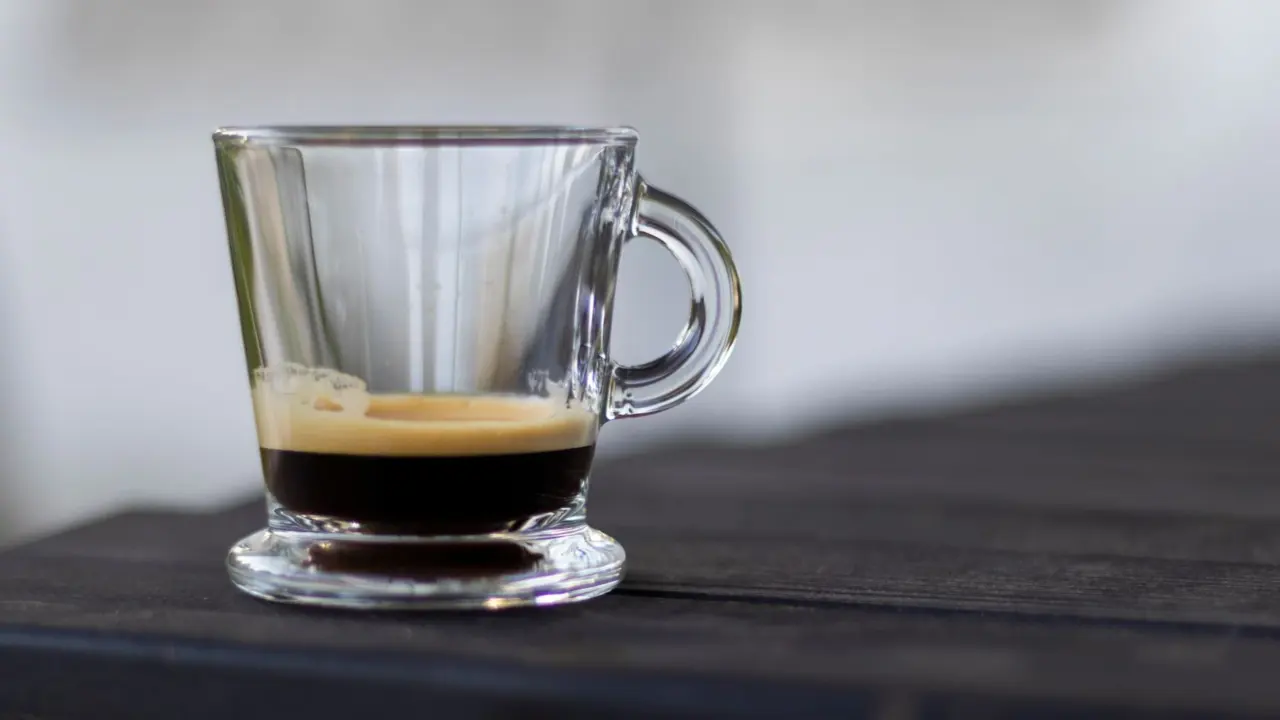
Crema is a fine layer of foam that forms during espresso extraction, and filter coffee does not have it. If you want a foam-topped, concentrated sip, only espresso gives you that. If you want a larger, less concentrated cup to drink slowly, brewed coffee is the match.
Roast is a weaker dividing line than many labels suggest. “Espresso beans” is a marketing term; they are just coffee beans, often darker roasted. A darker roast for espresso is therefore a common convention rather than a rule, and it should not stop you trying a lighter bag in the machine if that is the flavor you enjoy.
Ritual and time of day
Speed and effort
Brew time is the clearest difference in routine. Espresso takes roughly 25 to 30 seconds, while brewed coffee usually takes 3 to 5 minutes, and filter coffee is brewed in 2 to 6 minutes depending on how it is prepared. The shorter window rewards a person who wants a fast, repeatable cup; the longer one suits a person who likes to start a brew and do something else.
Matching the drink to the moment
- Busy mornings. Espresso is made on an espresso machine and finishes quickly, which fits a tight schedule if the machine is already part of your kitchen.
- Long sessions at a desk. A larger brewed cup is easier to keep beside you, and its bigger serving carries more total caffeine than a single shot.
- Milk drinks. Espresso is the usual base for a latte or cappuccino, and a milk drink sits in a wide caffeine band, so treat it as a full-size drink rather than a light one.
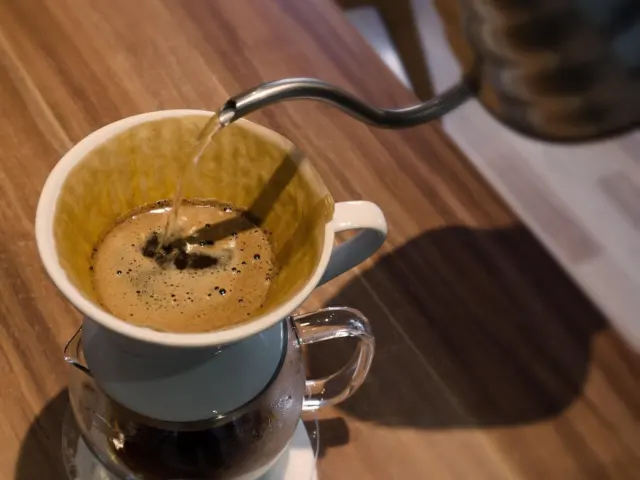
- Brewing as a ritual. If the process is the point, a manual method gives you more to do; the walkthrough in How To Use A Pour-Over Coffee Maker: A Simple Step-By-Step Guide For Better Coffee – Greatnorthernbrewing shows how a hands-on brewed cup comes together.
Those choices follow from how each drink is actually extracted, which is where the real difference lies.
How each drink is made
Espresso
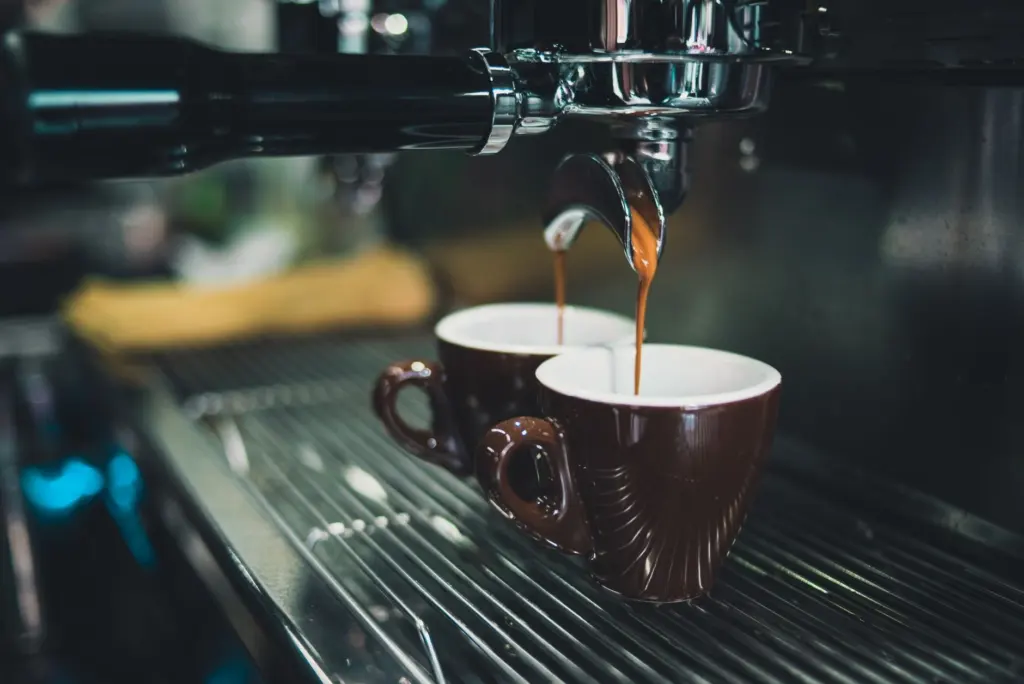
Espresso is a type of coffee defined primarily by how it is brewed, so the difference between espresso and coffee is a method, not a different plant. A machine sends hot water through a compact puck of finely ground coffee under pressure. The brewing pressure is 6 to 9 bar and the shot takes 25 to 30 seconds, and the result is a 1 to 2 oz shot.
The recipe is compact too: a typical shot uses approximately 18 grams of ground coffee to produce 36 grams of espresso. The grind has to be fine because espresso grounds must create resistance for the water to push against, and that is why grind size matters more at the espresso end than almost anywhere else.
Brewed coffee
In everyday use, “coffee” usually means brewed coffee. For filter coffee, the beans are ground much more coarsely than for espresso, and the water passes through at ordinary pressure before the coffee is filtered. Filter coffee often uses around 60 grams of coffee per liter of water, roughly 1:15 to 1:17.
Compare that with the espresso ratio of 1:2 and the concentration gap is clear: espresso uses far less water per gram of coffee, which is why it is the denser drink per ounce and the smaller drink per serving.
Using the same beans for both
Yes, you can use the same beans for espresso and brewed coffee. There is no separate botanical category called an “espresso bean”, and beans labeled for filter coffee can be used in an espresso machine and the reverse. What changes is the grind, fine for espresso and much coarser for filter, rather than the bag itself.
The grind is also where mistakes happen. A grind that is too coarse for an espresso machine under-extracts, so adjust the grinder before blaming the beans.
If you are unsure which drink you prefer, buy one bag and brew it both ways, then compare. When you want a bag worth that comparison, Best Coffee In The World: 7 Exceptional Beans And How To Find Them In 2026 – Greatnorthernbrewing is a good place to look for beans to try.
Frequently asked questions
Does adding milk or water remove caffeine?
No. Adding water or milk does not remove caffeine; it only lowers the concentration per ounce.
Does a short shot or a fine grind change how much caffeine I get?
A short shot is not shortchanged: roughly all of the available caffeine is released during the first minute of extraction. A finer grind extracts caffeine faster, according to the same comparison.
Can I tell espresso beans from filter beans by looking?
Often not. Thanks to light roasts, espresso and filter coffee beans can no longer be distinguished by their appearance alone, so rely on the roaster’s description and your grind rather than the look of the bean.