By weight, roasts contain similar caffeine levels, so neither light nor dark roast reliably has more caffeine. That central fact matters more than roast myths: how the beans are measured and how the coffee is brewed usually determine how much caffeine ends up in a cup. The following sections explain the science, practical implications, and why perception often differs from reality.
Key Takeaways
- Light roast vs dark roast caffeine levels are nearly identical when measured by weight, making roast level an unreliable factor for caffeine content.
- Measuring coffee by volume leads to misconceptions because dark roast beans are less dense and occupy more space per gram than light roast beans.
- To control caffeine intake, weigh your coffee and adjust the dose rather than switching between light and dark roasts.
- Brewing methods impact caffeine extraction more than roast level, with drip and cold brew generally delivering higher caffeine per cup.
- Perceived strength of coffee often comes from flavor profiles, where dark roasts taste stronger due to bitterness, not higher caffeine.
- For consistent caffeine and strength, use a scale, select brewing methods that maximize extraction, and choose coffee varieties with higher caffeine if desired.
Short Answer And Practical Implications
Quick Facts
- Light and dark roasts contain roughly the same caffeine by bean weight.
- Measuring by volume (scoop) favors dark roast because beans expand during roasting.
- Brewing method and dose (grams of coffee) change caffeine more than roast level.
Short answer: when compared on an equal-weight basis, light and dark roasts have nearly identical caffeine content. Practically, someone who measures coffee by scoops or uses the same scoop for both roasts will usually get more caffeine from dark roast because darker beans are less dense and occupy more volume per gram. Conversely, a scale user who doses by grams gets the same caffeine whether the beans are light or dark.
What that means for everyday choices: if the goal is higher caffeine, focus on using more coffee by weight, choosing extraction methods that pull more solubles (like drip or Aeropress with longer contact), or selecting a coffee labeled with a higher caffeine variety (e.g., Robusta blends), rather than concentrating on roast level alone. Brewers who want consistent strength should weigh their beans and adjust the dose rather than swapping roast levels and expecting a predictable caffeine change.
How Caffeine Changes With Roast Level — What The Science Says
Laboratory measurements show that roasting causes some chemical changes, but caffeine is relatively stable under typical roasting temperatures. The tiny losses that can occur during prolonged, very dark roasts are minor compared with the total caffeine content. Researchers and roasters reporting caffeine by mass find only small differences between light and dark roasts when samples are compared on equal-weight bases.
Two practical points emerge from the science. First, the physical structure of the bean changes dramatically: roasting causes beans to expand and lose water, decreasing density. That density change creates the common misunderstanding that dark roast is stronger or weaker in caffeine, it’s a volumetric effect, not a molecular one. Second, factors other than roast level, bean variety, origin, and processing, often produce larger caffeine differences than roasting itself.
Bold terms: caffeine stability, bean density.
Common mistakes people make when interpreting studies:
- Treating caffeine per scoop as equivalent to caffeine per gram, they are not.
- Ignoring bean origin and species: Robusta beans contain significantly more caffeine than Arabica.
- Assuming darker color = more extracted caffeine: color is not a direct proxy for extraction or dose.
Measuring Caffeine: By Bean Vs By Scoop (And What That Means For Your Brew)
When the measurement unit changes, the caffeine story changes too.
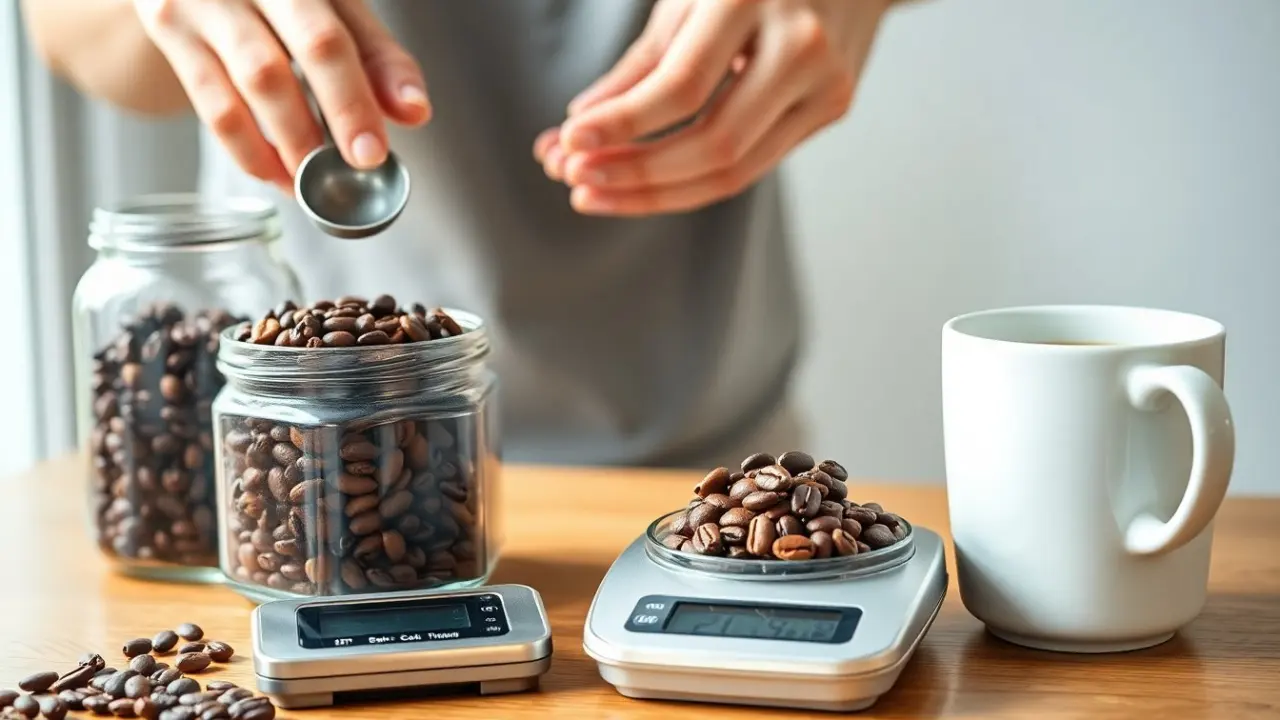
- By weight (grams): measuring by grams of coffee gives the most consistent caffeine across roast levels. If a recipe calls for 20 g of coffee, 20 g of light roast and 20 g of dark roast deliver virtually the same caffeine.
- By volume (tablespoons or scoops): because dark roast beans are puffier and less dense, one scoop of dark roast contains fewer grams than the same scoop of light roast. That means a scoop of dark roast often yields less caffeine by mass, but if a brewer uses the same scoop and brews stronger (more coffee per water), the darker roast cup can feel stronger.
What brewers should do:
- Use a scale. Weighing beans removes the density variable and makes caffeine and strength predictable.
- Adjust dose rather than roast. To increase caffeine, raise the coffee grams per water rather than switching roast levels.
- Consider grind and extraction: finer grind and longer contact time extract more caffeine and solubles, while quick methods (espresso) extract differently per shot size.
Bold terms: weigh your coffee, volume vs weight.
A realistic example: a 15 g scoop of light roast and a 15 g scoop of dark roast are directly comparable. But a single level tablespoon will usually contain more grams of light roast than dark, which explains many anecdotal claims about one roast being stronger.
Taste, Perception, And How Brewing Method Alters Caffeine Delivery
Taste often drives perceived caffeine impact more than the actual milligrams. Dark roasts develop smoky, bitter, and chocolate-forward flavors that many associate with stronger coffee, while light roasts highlight acidity and floral notes. That bitterness can make a cup feel more caffeinated even when the caffeine content is similar.
Brewing method changes actual caffeine delivery more than roast level does. Key effects:
- Espresso: short, pressurized extraction yields a concentrated cup with a high caffeine per ounce but moderate caffeine per typical serving (single/double shot).
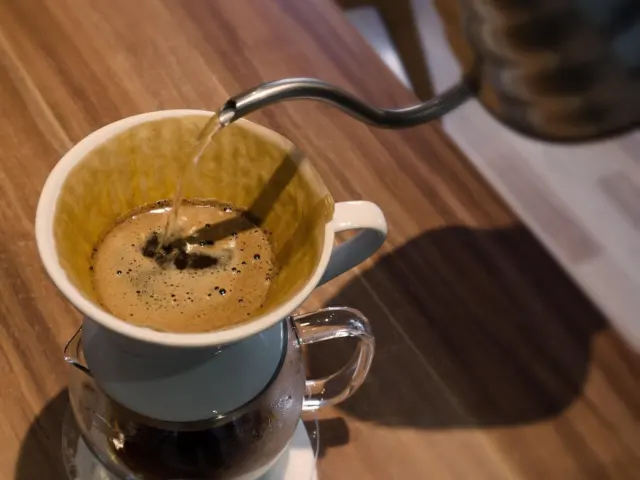
- Drip and pour-over: longer contact time and larger water volume extract more total caffeine per typical mug.
- Cold brew: long steep times at low temperature can extract substantial caffeine, often resulting in a high total-per-serving caffeine load.
Practical tips to match perceived strength and caffeine goals:
- For stronger perceived impact without increasing caffeine, choose a darker roast and increase extraction slightly, more bitterness and body will register as stronger.
- For higher caffeine per cup, use a heavier dose by weight or select brewing methods that maximize extraction (longer steep or larger coffee-to-water ratio).
- If sensitivity is an issue, lighter roasts won’t reliably be lower in caffeine: reduce dose or switch to decaf instead.
Bold terms: perceived strength, brew method.
Frequently Asked Questions about Light Roast vs Dark Roast Caffeine
Do light roast and dark roast coffees have different caffeine levels?
When measured by weight, light and dark roast coffees contain nearly the same amount of caffeine. Differences in caffeine content are more influenced by how the coffee is measured and brewed than by the roast level itself.
Why does dark roast sometimes seem to have more caffeine than light roast?
Dark roast beans expand and become less dense during roasting, so measuring coffee by volume (e.g., scoops) often results in more caffeine with dark roast because the scoop holds more bean volume, though less by weight.
What is the best way to measure coffee to ensure consistent caffeine levels?
Using a scale to weigh coffee beans provides consistent caffeine content regardless of roast level. Measuring by weight avoids variations caused by bean density changes between light and dark roasts.
How does brewing method affect caffeine extraction compared to roast level?
Brewing method has a greater impact on caffeine content than roast level. Longer contact times, like drip or cold brew, extract more caffeine, while espresso delivers concentrated caffeine per ounce but less per serving.
Can I increase caffeine in my coffee by choosing a different roast?
Switching roast levels alone won’t reliably increase caffeine. To boost caffeine, increase the coffee dose by weight, choose a brewing method that extracts more caffeine, or opt for higher-caffeine bean varieties like Robusta blends.
Does the flavor difference between light and dark roast affect perceived caffeine strength?
Yes, dark roasts have bitter, smoky flavors that often feel stronger and more caffeinated, though caffeine content is similar. Light roasts taste brighter and less bitter, which can influence how strong the coffee feels.