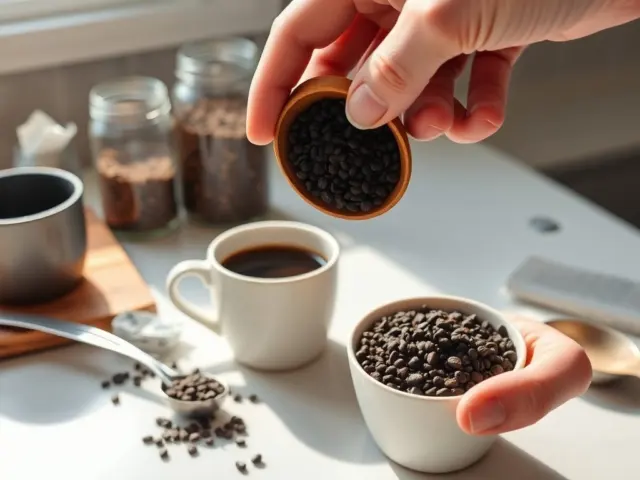
Espresso typically delivers less total caffeine per serving than a standard cup of drip coffee, while offering a much higher caffeine concentration per ounce. That contrast, dose versus density, is why a single espresso shot feels potent even though a full mug of coffee often contains more milligrams of caffeine overall. The following explains how those numbers are measured and what changes them.
Key Takeaways
- Espresso contains about 60–75 mg of caffeine per single shot, while an 8-ounce cup of drip coffee typically has 95–165 mg, making drip coffee higher in total caffeine dose.
- Per ounce, espresso has roughly three to six times more caffeine concentration than drip coffee, delivering a quicker and more intense alertness.
- Serving size is crucial: multiple espresso shots or large drip coffee cups can significantly increase daily caffeine intake beyond moderate levels.
- Caffeine content varies with bean species, roast level, grind size, and brewing methods, so reported caffeine amounts are averages, not exact values.
- For monitoring caffeine intake, focus on total milligrams to track health effects, while caffeine concentration relates more to the subjective feeling of alertness.
How Caffeine Content Is Measured And Reported
Caffeine content is usually reported in milligrams (mg) per serving or per volume (mg/ounce). Labs measure caffeine by extracting compounds from brewed samples and analyzing them with chromatography. Retail labels and coffee shops often list per-serving figures that mix serving sizes, so comparisons can be misleading. Regulatory or research reports tend to give averages and ranges rather than precise values because brewing variability and bean differences produce wide spreads. When reading numbers, check whether the value is for a single shot, an 8‑oz cup, or per fluid ounce: that determines whether the figure describes a total dose or a concentration.
Comparison table (Espresso vs Drip Coffee)
| Attribute | Espresso (single shot ~1 oz) | Drip Coffee (8 oz cup) |
|---|---|---|
| Typical caffeine (per serving) | 60–75 mg | 95–165 mg |
| Caffeine per ounce | ~60–75 mg/oz | ~12–21 mg/oz |
| Common serving size | 1–2 oz | 8–16 oz |
| Brew contact time | 20–30 seconds | 3–5 minutes |
| Typical flavor profile | Intense, concentrated | Milder, variable |
Caffeine In A Shot Of Espresso Vs A Cup Of Drip Coffee
A standard single shot of espresso (about 1 ounce) commonly contains roughly 60–75 mg of caffeine: a double shot doubles that. An 8‑ounce cup of drip coffee typically ranges from 95–165 mg, depending on brew strength and coffee-to-water ratio. Those numbers mean a cup of drip coffee often delivers a higher total dose, while espresso supplies a stronger hit per sip because of its higher mg/ounce. Consumers should compare like for like, total milligrams if they care about overall intake, mg/ounce if they want intensity.
Typical Caffeine Ranges For Common Servings
Common serving estimates help set expectations: single espresso shot ~60–75 mg: double shot ~120–150 mg: 8‑oz brewed coffee ~95–165 mg: 12–16 oz large cup can exceed 200 mg. Specialty drinks mix doses, lattes and cappuccinos use one or two shots, so their caffeine equals the espresso inside, not the milk volume. Ready‑to‑drink canned coffees and cold brews often list higher numbers because of concentrated extraction or larger serving sizes. Always check serving size to avoid unintentionally consuming more total caffeine than intended.
Per-Ounce Comparison: Concentration Versus Total Dose
Per‑ounce, espresso is roughly three to six times more concentrated in caffeine than drip coffee. That high concentration explains the fast alerting effect of a shot: a sip delivers significant caffeine quickly. But because espresso servings are small, the total dose per drink often remains lower than a full mug. For someone monitoring daily caffeine, total milligrams matter: for a quick pick‑me‑up, concentration and speed of ingestion matter. Both metrics are useful, one tracks health effects, the other predicts subjective stimulation.
Factors That Change Caffeine Levels
Multiple variables shift caffeine numbers, so published ranges are approximations. Bean species (Arabica vs. Robusta), roast, grind size, and extraction parameters all affect how much caffeine ends up in the cup. Consumers should treat single figures as indicative rather than exact and adjust expectations based on these factors.
Bean Origin, Roast Level, And Grind Size
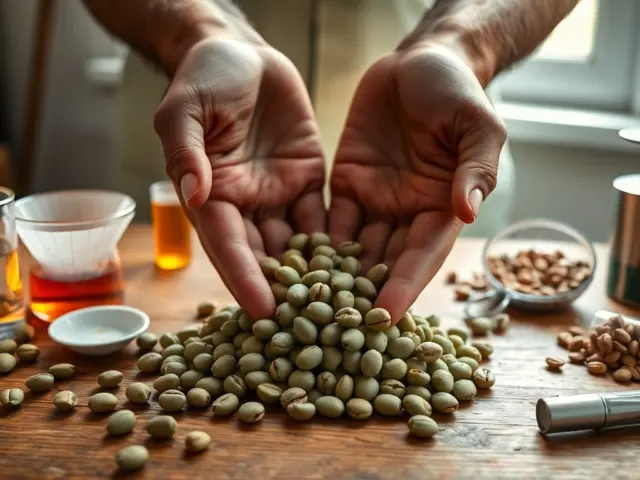
Species and origin matter: Robusta beans generally contain significantly more caffeine than Arabica. Roast level affects density, darker roasts weigh less per bean but don’t always mean less caffeine by weight: recipes often compensate with dose adjustments. Grind size alters extraction: finer grinds increase surface area and can raise caffeine extraction during brewing. Home brewers who measure coffee by volume instead of weight may unintentionally change caffeine per cup when roast or grind shifts.
Brewing Variables, Serving Size, And Preparation Methods
Extraction time, water temperature, and coffee-to-water ratio are major levers: longer contact and higher ratios yield more caffeine. Cold brew uses long steep times and often produces high total caffeine when consumed in large volumes. Espresso settings, pressure, yield, and dose, determine shot strength: baristas tweak these to reach target flavor and caffeine. Finally, serving size is decisive: a large drip cup or multiple espresso shots can push daily intake well above moderate recommendations, so counting milligrams matters more than beverage names.
FAQ
How many espresso shots equal one cup of coffee in caffeine?
A typical answer: about 1–2 shots equals one 8‑oz cup in caffeine, depending on shot size and brew strength: many drip cups have more caffeine than a single shot.
Does dark roast have less caffeine than light roast?
Not reliably. Dark roast beans lose mass during roasting, but caffeine per weight is similar: measuring coffee by weight keeps caffeine consistent across roasts.
Is espresso stronger for alertness than drip coffee?
Espresso often feels stronger because of its higher concentration and rapid consumption, but a full cup of drip coffee can deliver more total caffeine and longer-lasting effects.
Can preparation reduce caffeine significantly?
Yes. Using fewer grams of coffee, shorter brew time, coarser grind, or switching to decaf are effective ways to reduce caffeine intake.
Frequently Asked Questions about Caffeine in Espresso vs Coffee
How much caffeine is in a single shot of espresso compared to an 8-ounce cup of drip coffee?
A single shot of espresso contains about 60–75 mg of caffeine, while an 8-ounce cup of drip coffee typically has 95–165 mg, meaning drip coffee usually delivers more total caffeine per serving.
Why does espresso feel stronger even though it has less caffeine overall than drip coffee?
Espresso has a much higher caffeine concentration per ounce—about three to six times that of drip coffee—so its small volume delivers a concentrated and fast-acting caffeine hit.
Can the type of coffee bean or roast level affect caffeine content?
Yes. Robusta beans generally have more caffeine than Arabica, and while dark roasts lose weight during roasting, caffeine content by weight remains similar across roasts if measured accurately.
How do brewing methods influence caffeine levels in coffee and espresso?
Brewing variables like extraction time, water temperature, coffee-to-water ratio, and grind size affect caffeine extraction. Longer brew times and finer grinds usually increase caffeine content.
Is espresso more effective for alertness than drip coffee?
Espresso feels stronger due to its caffeine concentration and quicker consumption, but a full cup of drip coffee often provides a higher total caffeine dose that can prolong alertness.
How can I reduce caffeine intake when drinking espresso or coffee?
You can reduce caffeine by using fewer coffee grams, shorter brew times, coarser grinds, or opting for decaffeinated versions; serving size also significantly impacts total caffeine consumed.