map guides ttweakmaps by traveltweaks is the title of a set of how-to pages on ttweakmaps.com, a small travel site, that explain how to build a custom travel map and plan a trip around it. This deep dive covers what the guides teach, which claims they make, and what to expect.
| Item | Detail |
|---|---|
| Where | ttweakmaps.com, a travel tips and planning site |
| Core idea | One map holding pins, notes, layers and an itinerary |
| Skills taught | Dropping and labelling pins, icons and colours, layers, saving and sharing |
| Claims made | A beta test with 2,400 travellers; 64% less planning time |
| Founder named | Norvain Quenthos, Anaheim, California |

What the ttweakmaps map guides set out to solve
The central pitch in the map guide ttweakmaps by traveltweaks page is app overload. It describes a traveller standing in a new city with six apps open, one for directions, another for restaurants, a third for cultural tips, and argues that a standard map shows how to get from A to B but not what to do on arrival or what to pack. The page contrasts the traditional method, eight to twelve apps and six to eight hours of planning with surface-level local knowledge, against a single platform and two to three hours.
It organises the idea around three pillars: deeper discovery of neighbourhood markets and trails that guidebooks miss, seamless planning that connects routes, recommendations and reservations, and practical preparation such as whether you need cash, what the afternoon weather does or whether a beach requires permits.
Step-by-step: building a map from the guides
A companion page, map guides ttweakmaps, is the hands-on tutorial. Its sequence is:
- Create an account with an email and password, then open a blank map and find the layers panel.
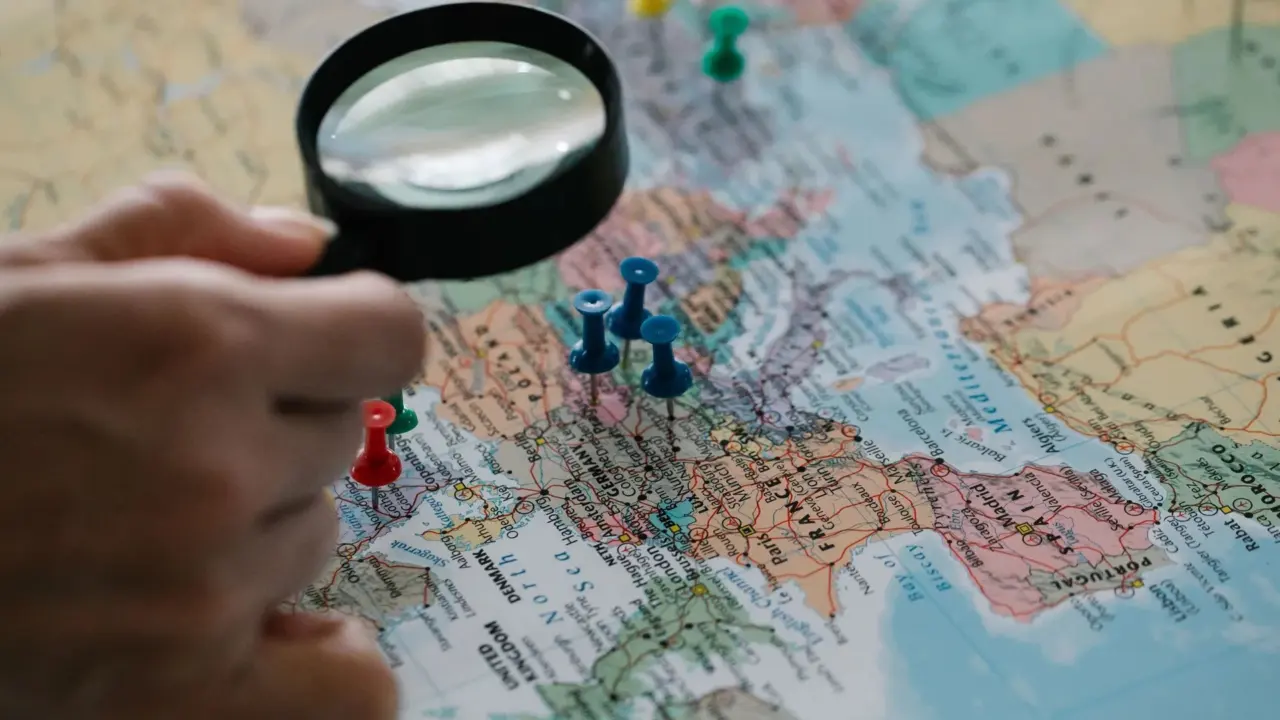
- Search for a place such as a hotel in Rome, a cafe or a trailhead, and click the result to drop a pin.
- Add notes to each pin: opening hours, confirmation numbers, why you picked it.
- Change icons and colours so a fork and knife marks restaurants, a bed marks hotels and a camera marks viewpoints.
- Group pins into layers, for example one layer for Day 1 and another for local tips, so the map stays readable.
- Name the map specifically, such as Italian Alps Road Trip August 2024, rather than Trip 1, and save it even though it auto-saves.
- Share the finished map with whoever is travelling.

Routes, zones and timelines in the tutorial
The second half of the tutorial moves from pins to routes. It says you can generate walking, driving or cycling routes between points, and advises connecting stops in geographical order instead of wishlist order. Its method: pin every place first, look at where stops cluster, join them with the line tool, check the distance and time estimates, and adjust for reality, for example when lunch is 45 minutes from breakfast.
For loose days it suggests drawing a boundary around a food district or part of a park as an exploration zone, which acts as a reminder without locking in stops. It also mentions importing a spreadsheet of twenty addresses in one go, which suits long trips or someone else’s recommendation list, and says maps can be shared with travel partners and used offline. The guide quotes a journal study on time lost to poor itinerary planning, again without a link a reader can follow.
How the guides compare with a normal map app
The pages say the same thing in different words: a map app answers directions, while a planning map holds the whole trip. The tutorial argues that five minutes spent organising pins now saves hours of confusion later, and it gives a fair hearing to the opposing view that simple maps are better. Searches such as map guides ttweakmaps traveltweaks and map guides ttweakmaps from traveltweaks lead to near-identical versions of this advice.
Readers should note that the guides are written in a first-person voice, as if by the tool’s builder, and that some paragraphs inside them wander into unrelated gaming language about map design. That makes them uneven, but the pin, icon and layer advice is sound whatever tool you use, whether that is a free mapping service or a paper map.
The claims in the ttweakmaps pages
The pages cite a 2023 study from a travel research firm for the number of apps travellers switch between and quote their own beta test of 2,400 travellers, with 64% less pre-trip planning time and three times as many authentic local spots found. Neither figure has an independent source in the pages, so treat them as the site’s marketing. The same applies to map guide ttweakmaps traveltweaks pages, which repeat them, and to the map guide ttweakmaps from traveltweaks and map guide ttweakmaps by traveltweaks versions.
What else ttweakmaps publishes
Beyond the tutorials, the site carries travel pieces on saving money on flights, rental car companies on Corfu, cultural festivals, underrated outdoor adventures, travel hacks for first-time backpackers and interactive map guides for exploring ancient traditions. The last argues that GPS-connected, layered maps let people walk in the footsteps of the past at their own pace. The navigation has Our Aspiration, Next Horizon, Brand Amplify X and Contact Us, and the site says it was founded by Norvain Quenthos in Anaheim, California, with an editorial team named on an official information page. Whether a separate map-building app exists beyond the guides was not apparent from the navigation.